

How to Create a Winning Culture—Even Without Star Talent
Not every basketball team has the luxury of a superstar player who can single-handedly change the game. But here’s the good news: you don’t need one to build a winning program. What matters more is developing a team culture that brings out the best in every player and creates something greater than the sum of its parts.
What Truly Makes a Team Successful?
A winning basketball culture isn’t built on highlight-reel dunks or 30-point performances from one player. Instead, it’s founded on shared values, consistent behaviors, and a collective mindset that puts the program above individual accomplishments.
The most successful basketball teams without star talent have one thing in common: a culture that transforms ordinary players into extraordinary teammates. This transformation happens when players develop a high basketball IQ and understand their role within the bigger picture.
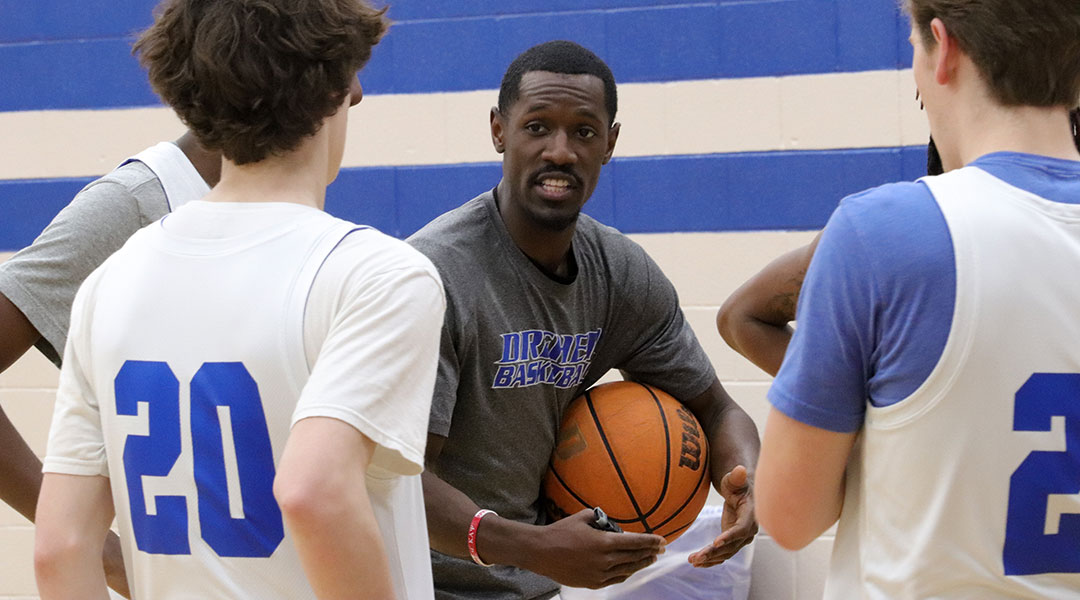
Core Values That Create Championship Teams
Accountability Over Ability
When your team doesn’t have the most talented roster in the league, accountability becomes your secret weapon. Every player must understand their role and execute it consistently.
Great coaches establish clear expectations for what accountability looks like:
- Players arriving early to practice, not just on time
- Taking responsibility for mistakes without making excuses
- Holding teammates to high standards through positive reinforcement
- Putting in extra work beyond scheduled practice times with dedicated basketball training
This level of accountability creates a foundation where talent gaps become less significant over time.
Communication That Connects
Without star players to bail you out in tough situations, effective communication becomes essential. Teams that talk on defense, share observations during timeouts, and provide encouragement during difficult stretches develop a sixth sense about each other’s movements.
Make communication a daily practice priority by:
- Requiring players to call out screens and defensive rotations
- Having regular team meetings where everyone speaks
- Practicing communication drills where players must guide blindfolded teammates through obstacles
- Creating a vocabulary of quick calls that become second nature during games Grit Over Glory
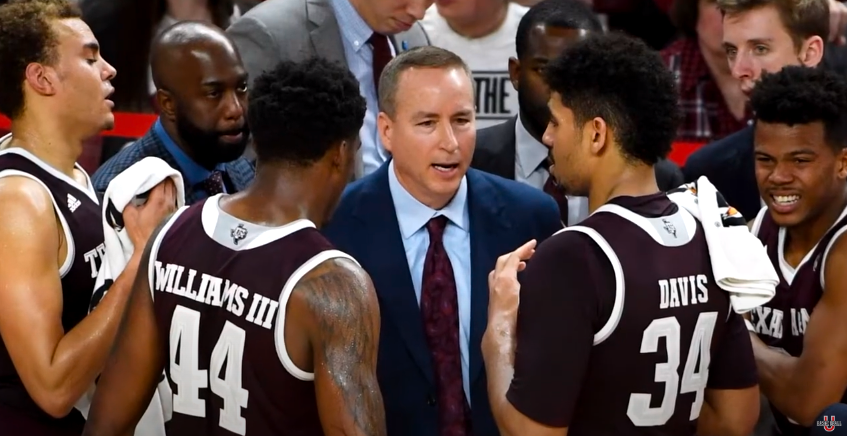
Teams without superstars must embrace the grind. Every loose ball, every rebound, every defensive stop becomes a chance to gain an advantage through pure effort. Great defenses are built on players willing to put in the work to master defensive fundamentals.
Coaches can cultivate grit by:
- Celebrating hustle plays with as much enthusiasm as scoring
- Tracking effort statistics like deflections, charges taken, and contested shots
- Creating practice drills that reward perseverance over raw athleticism
- Sharing stories of underdog teams that succeeded through determination
Team-First Mentality
When no player averages 25 points per game, everyone must contribute. The most successful non-star teams embrace a philosophy where the open man is always the right option, and mastering passing techniques becomes crucial.
Build this mentality by:
- Rewarding assists and hockey assists (the pass that leads to the assist)
- Creating offensive systems that require multiple passes before shots
- Highlighting film examples where extra passes led to better shots
- Discouraging “hero ball” even when it occasionally works
Building Blocks of a Winning System
Establish Clear Standards
Without star talent, you can’t afford inconsistency. Clear standards create the structure that allows average players to perform at above-average levels.
Your team standards should:
- Be specific and measurable
- Apply equally to every player regardless of status
- Focus on controllable behaviors rather than outcomes
- Reflect your program’s core values
These standards become especially important when coaching youth basketball, where habits are formed that will last throughout players’ careers.
Create a Shared Vision
When players understand the bigger picture, they’re more willing to embrace challenging roles. A compelling vision unites the team around something greater than individual statistics.
Develop your vision by:
- Involving players in creating a team mission statement
- Setting process goals that lead toward your ultimate objectives
- Regularly revisiting and reinforcing your vision during team meetings
- Connecting daily actions to long-term success
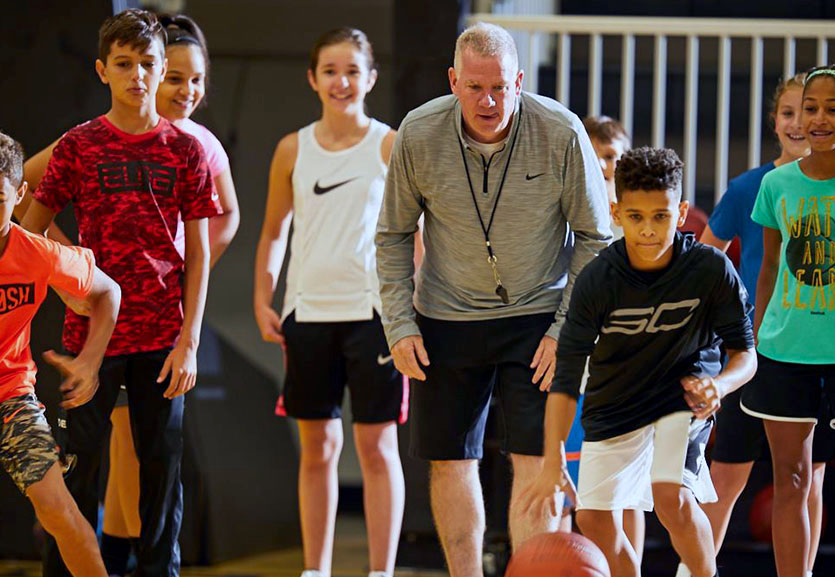
Celebrate Small Victories
Teams without superstars need to find motivation in incremental improvements. Recognizing progress builds confidence and reinforces the behaviors that lead to success.
Make celebration part of your culture by:
- Acknowledging personal bests in practice metrics
- Creating weekly awards for exemplifying team values
- Highlighting improvement trends over time
- Finding meaningful wins even in difficult losses
Practical Strategies for Implementation
The Power of Team Identity Words
Have your team select 8-10 words that define who you want to be as a program. These words become anchors during adversity and guideposts for decision-making.
Some powerful team identity words include:
- Relentless
- United
- Disciplined
- Selfless
- Resilient
- Prepared
- Focused
- Adaptable
Display these words prominently in your locker room and refer to them regularly in team discussions.
Develop Leadership At Every Position
When you don’t have a star player, leadership must come from multiple sources. Create opportunities for every team member to lead in different situations, which helps develop their decision-making abilities in close games.
Potential leadership roles include:
- Defense captain responsible for communication
- Energy leader who sets the effort standard
- Locker room leader who maintains team chemistry
- Practice leader who pushes the intensity level
Rotate these responsibilities to develop leadership throughout your roster.
Implement Teammate Connection Activities
Teams that care about each other play harder for each other. Structured activities that build relationships create the trust necessary for selfless play.
Effective connection activities include:
- “One word” exercises where players describe teammates using single words
- Team meals where conversation topics are assigned
- Service projects in the community that require collaboration
- Player-led practice segments where they must teach each other
Create a Clear Basketball System
Without exceptional talent, your team needs a system that maximizes strengths and minimizes weaknesses. This system should be simple enough to execute under pressure but sophisticated enough to create advantages.
Your system should include:
- Offensive principles that create high-percentage shots
- Defensive rules that protect vulnerable areas
- Special situations playbook for crucial moments
- Substitution patterns that maintain energy and cohesion
For younger teams, implementing core basketball fundamentals is essential before moving to more complex systems.
Common Mistakes to Avoid
Mimicking Star-Centered Programs
Many coaches make the mistake of running systems designed for elite talent. Without star players, you need strategies that distribute responsibility and create advantages through teamwork.
Inconsistent Standards
Nothing undermines a culture faster than moving the goalposts. When standards change based on game situations or player status, trust erodes quickly. This is especially important when coaching youth basketball teams.
Overcomplicating Your Approach
Teams without superstars need clarity and confidence. Too many complex schemes create hesitation, while simple principles executed with precision create momentum.
Focusing on Outcomes Over Process
The scoreboard doesn’t always reflect culture development. Stay committed to your principles even when immediate results don’t follow. Building mental toughness is about focusing on what you can control.
FAQ: Building a Winning Culture Without Stars
Q: How long does it take to establish a strong team culture?
A: While you can see initial changes in a few weeks, developing a truly strong culture typically takes 1-2 seasons of consistent reinforcement. The foundation can be built in a single offseason, but the depth develops through shared experiences over time.
Q: Can a team culture survive player turnover?
A: Yes, when the culture is bigger than any individual. Programs with established cultures find that new players adapt to existing standards rather than changing them. Documentation, visual reminders, and returning player leadership all help maintain culture through transitions.
Q: How do you handle players who resist the team culture?
A: Clear communication, consistent consequences, and patience are essential. Sometimes resistance comes from not understanding the “why” behind standards. Other times, players need to experience the benefits before buying in. Persistent resistance may ultimately require difficult roster decisions.
Q: Can team culture compensate for significant talent gaps?
A: Culture can narrow gaps but not eliminate them entirely. However, strong cultures make the most of available talent and often allow teams to exceed expectations. The more disciplined your culture, the more competitive you’ll be against more talented opponents.
Conclusion: Culture Is Your Competitive Advantage
When star talent isn’t available, culture becomes your greatest asset. By establishing clear values, building strong connections, and maintaining consistent standards, you create an environment where ordinary players accomplish extraordinary things. This approach is valuable at every level, from youth basketball to competitive high school programs.
Remember that culture isn’t something you establish once and forget—it’s something you build and protect every day. Each practice, each game, each interaction is either strengthening or weakening your team’s foundation.
The beauty of culture-based success is that it’s sustainable. While star players eventually graduate or move on, a strong culture can survive for generations, creating a program that consistently competes regardless of talent fluctuations.
Make sure to check out our coaching tips for more information! Our free video tutorials offer additional strategies for building championship cultures with the players you have—not the ones you wish you had.