
How to Build a Press That Disrupts Without Fouling: The Smart Defender’s Guide
April 30, 2025
What Makes a Great Press Defense?
A successful press defense does more than just slow down the opponent’s offense – it creates turnovers, disrupts timing, and forces bad decisions without giving up easy baskets or free throws. Press defenses extend your defense into the opponent’s backcourt, creating opportunities for steals and easy transition baskets. However, these advantages quickly disappear when players commit unnecessary fouls.
Understanding basketball terminology is essential when implementing any advanced defensive strategy. Before players can execute a press effectively, they need to master core basketball fundamentals and develop their basketball IQ.

Key Terms Every Coach Should Know
Before diving into specific techniques, let’s clarify some essential terminology:
- Full-Court Press: Defensive pressure applied across the entire court
- Half-Court Press: Pressure starting at or just beyond the half-court line
- Man-to-Man Press: Each defender shadows a specific offensive player
- Zone Press: Defenders guard specific areas rather than specific players
- Matchup Press: Defenders initially match up with opponents but switch based on specific triggers
- Run and Jump: A defensive technique where defenders switch assignments during the press
- Defensive Stance: The foundational position for all defensive movements
Why Fouling Ruins Your Press
Fouling in the backcourt is not smart basketball. Players often get a good trap on the ball, only to negate it by reaching in and committing a foul. When your press leads to fouls, several problems occur:
- Free Points: You give the opponent uncontested scoring opportunities
- Clock Stoppage: Free throws allow opponents to score without taking time off the clock
- Foul Trouble: Your best defenders end up on the bench
- Lost Momentum: Fouls disrupt your team’s defensive rhythm and energy
- Strategic Limitations: Foul trouble limits your defensive options late in games
Understanding basketball foul rules is crucial for developing a disciplined defense that can pressure without fouling.
Essential Techniques for Foul-Free Pressing
1. Teach Proper Defensive Positioning
The foundation of defending without fouling is teaching players to play defense with their feet, not their hands. Key positioning elements include:
- Athletic Stance: Feet slightly wider than shoulder-width, knees bent, weight on balls of feet
- Active Hands: Hands up and active but not making contact with the offensive player
- Body Control: Moving laterally without leaning or lunging into offensive players
- Distance Control: Maintaining proper distance based on offensive player’s position
For detailed guidance on proper defensive stance, check out our article on mastering the low defensive stance.
2. Master the Art of Containment
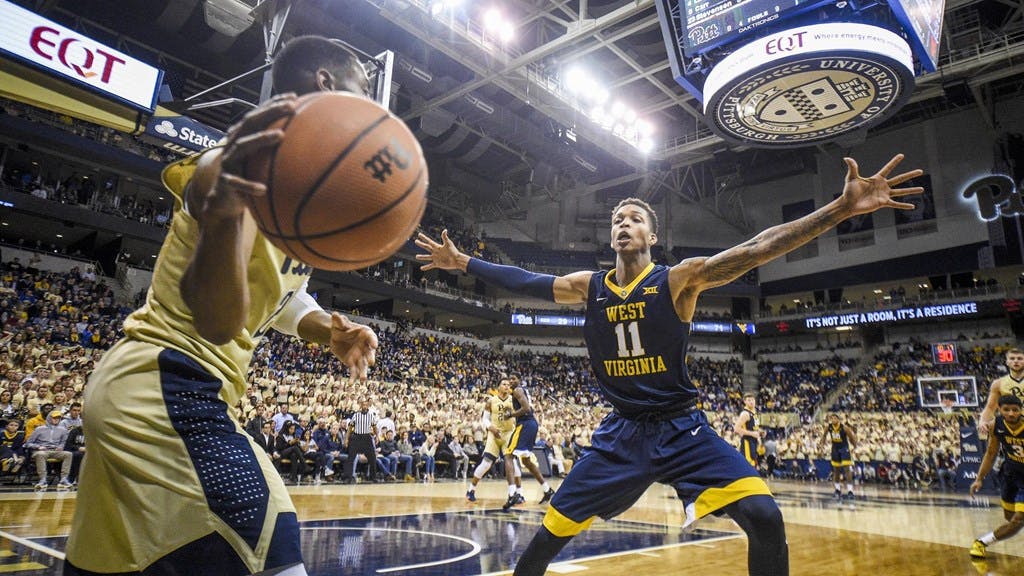
When applying defensive pressure on the ball, your approach should differ from off-ball defense. You can pressure the ball without fouling by positioning about two feet from the defender and staying active with your hands. Teach your players to:
- Focus on containment rather than steals
- Stay between the ball and the basket
- Move their feet to cut off driving lanes
- Keep hands active but not making contact
Understanding how to play effective defense is crucial before implementing advanced pressure techniques.
3. Perfect the Trap Technique
Trapping is a crucial element of most press defenses, but it’s also where many fouls occur. To trap effectively without fouling:
- Position: Defenders should position their bodies to form a “V” shape, funneling the offensive player into the corner
- Angles: Approach from angles that cut off passing lanes and escape routes
- Hands: Keep hands high to obscure vision and interrupt passes, not to swipe at the ball
- Communication: Clear calls for when to trap and when to recover
- Timing: Trap at strategic moments (sidelines, corners, when player picks up dribble)
4. Develop Risk-Reward Awareness
Basketball players should consider risk-reward when guarding. It can be frustrating to see players lose playing time due to fouls that have a low probability of creating a steal. Teach your players to:
- Recognize high-percentage steal opportunities
- Avoid gambling for steals in low-percentage situations
- Understand game situations when aggressive play is warranted
- Maintain discipline even when fatigued
Developing defensive confidence is key to making smart decisions under pressure.

5. Practice Specific Drills
Convert these concepts into muscle memory through targeted drills:
No-Hands Defense Drill
Have defenders practice moving laterally with hands behind their back or holding onto their jersey. This forces them to focus on footwork and body positioning.
Trap and Recover Drill
Set up 3-on-2 situations where defenders must trap and recover without fouling. Add progressions where coaches call fouls for hand checks or body contact.
Conditioning with Purpose
If your players are not well-conditioned, fatigue can become a factor. Tired players may be more apt to foul and get into foul trouble. Include conditioning drills that simulate game situations where players must maintain defensive discipline while fatigued.
Check out our collection of basketball defense drills and advanced defense drills to bolster your team’s defensive capabilities.
Common Mistakes to Avoid
1. Hand Checking and Body Contact
As a defender, you are allowed to have one forearm touching your opponent in any low post position around the basket. However, any time two hands or arms touch the opponent, this is usually an automatic foul. Teach players to:
- Keep hands active without making contact
- Use chest, not hands, when establishing position
- Avoid reaching when beaten off the dribble
2. Getting Too Aggressive After Being Beaten
Many fouls occur when defenders try to recover after being beaten off the dribble. Teach players to:
- Stay in containment position even when pressuring
- Have a recovery plan when beaten (help defense, funneling to trap)
- Accept when a play is lost and prepare for the next defensive possession
Understanding how to transition from offense to defense can help players maintain composure and avoid desperate fouls.
3. Jumping on Shot Fakes
Many coaches insist that post defenders keep their feet on the floor and NOT go for the shot-block. Keeping your feet on the floor means you won’t fall for the shot-fake, which often results in a foul. This applies to perimeter defense too:
- Stay down on shot fakes
- Contest with high hands without jumping
- Focus on disrupting vision rather than blocking shots
Building Your Press Defense System
1. Choose the Right Press for Your Team
Most teams use the full-court press sparingly because it can be physically draining for players to intensely guard all areas of the court. Consider your team’s strengths when selecting your press defense:
- Full-Court Man Press: Best for athletic teams with deep benches
- 3/4 Court Zone Press: Good option for less athletic teams
- Half-Court Trap: Effective for teams with good anticipation skills
- Match-up Press: Versatile option that can adapt to different situations
Tailoring your defensive strategy to your players’ strengths is part of effective basketball coaching.
2. Implement Progressively
Don’t install your entire press defense system at once. Instead:
- Begin with fundamental defensive positioning
- Add trapping elements once positioning is mastered
- Introduce rotations and recovery concepts
- Finally, implement full-scale press defense in controlled scrimmages
3. Create Clear Rules and Guidelines
Players need clear guidelines for when to be aggressive and when to be conservative:
- Establish specific triggers for traps (crossing half-court, picking up dribble)
- Define roles for each position in your press
- Set rules for when to fall back into half-court defense
- Create communication signals for switching between defenses
Game Situation Awareness
1. Adapt to Officiating
Different officials have different standards for what constitutes a foul. Teach players to:
- Quickly recognize how officials are calling the game
- Adjust defensive pressure accordingly
- Avoid complaining about calls and focus on the next play
2. Recognize Personnel
Good scouting might reveal certain tendencies about your opponent. They might try to draw fouls by faking the 3-point shot, by dribble-penetration, or by shot-faking on the low blocks. Adjust your press based on:
- Opponent’s ball handlers and their strengths/weaknesses
- How opponents typically break presses
- Which offensive players are most likely to draw fouls
Developing the ability to read defenses helps players anticipate opponent actions.
3. Game Situation Awareness
The best coaches know when to apply pressure and when to pull back:
- Leading late: Consider a more conservative press to avoid fouls
- Trailing late: More aggressive trapping may be necessary
- Foul situation: Adjust based on team and individual foul counts
- Fatigue: Monitor player fatigue and rotate accordingly
Developing mental toughness helps players maintain discipline even in high-pressure situations.
Physical Preparation
Implementing an effective press defense requires well-conditioned athletes. Consider incorporating:
- Basketball conditioning drills to improve stamina
- First-step speed training for faster defensive reactions
- Proper warm-up routines to prevent injuries
- Optimal nutrition for sustained energy
FAQ: Common Questions About Press Defense
Q: When is the best time to implement a press defense?
A: Press defenses can be effective after made baskets, dead balls, and free throws when the defense has time to set up properly.
Q: How do you practice press defense without encouraging fouls?
A: Have assistant coaches officiate practice strictly, with penalties for fouls that are as severe as penalties for not winning drills.
Q: How do you defend quick guards without fouling?
A: Focus on positioning and angles rather than trying to stay directly in front. Guide quick guards toward help defenders and traps rather than trying to contain them one-on-one.
Q: Should you press for the entire game?
A: Most teams don’t have the conditioning to press effectively for an entire game without fouling. Consider using your press strategically based on game situations and matchups.
Q: How do you prevent giving up easy baskets when pressing?
A: Proper rotations and help defense are crucial. Always have at least one defender protecting the basket, and practice recovery situations regularly.
Conclusion: Building a Disciplined Press Defense
Creating a disruptive press that doesn’t foul requires commitment to fundamentals, proper techniques, and disciplined decision-making. By focusing on positioning, communication, and smart risk assessment, your team can force turnovers without giving up free points at the line.
Remember that building an effective press defense is a process that takes time and consistent reinforcement. Start with the basics, add complexity gradually, and always emphasize discipline over gambling for steals.
For more advanced defensive concepts, explore our guides on forcing turnovers on defense and basketball spacing.
Make sure to check out basketballfundamentals.com for more information! And don’t miss our free video tutorial on advanced pressing techniques to take your team’s defense to the next level.
How does your team implement press defense without fouling? Share your experiences and questions in the comments below!