
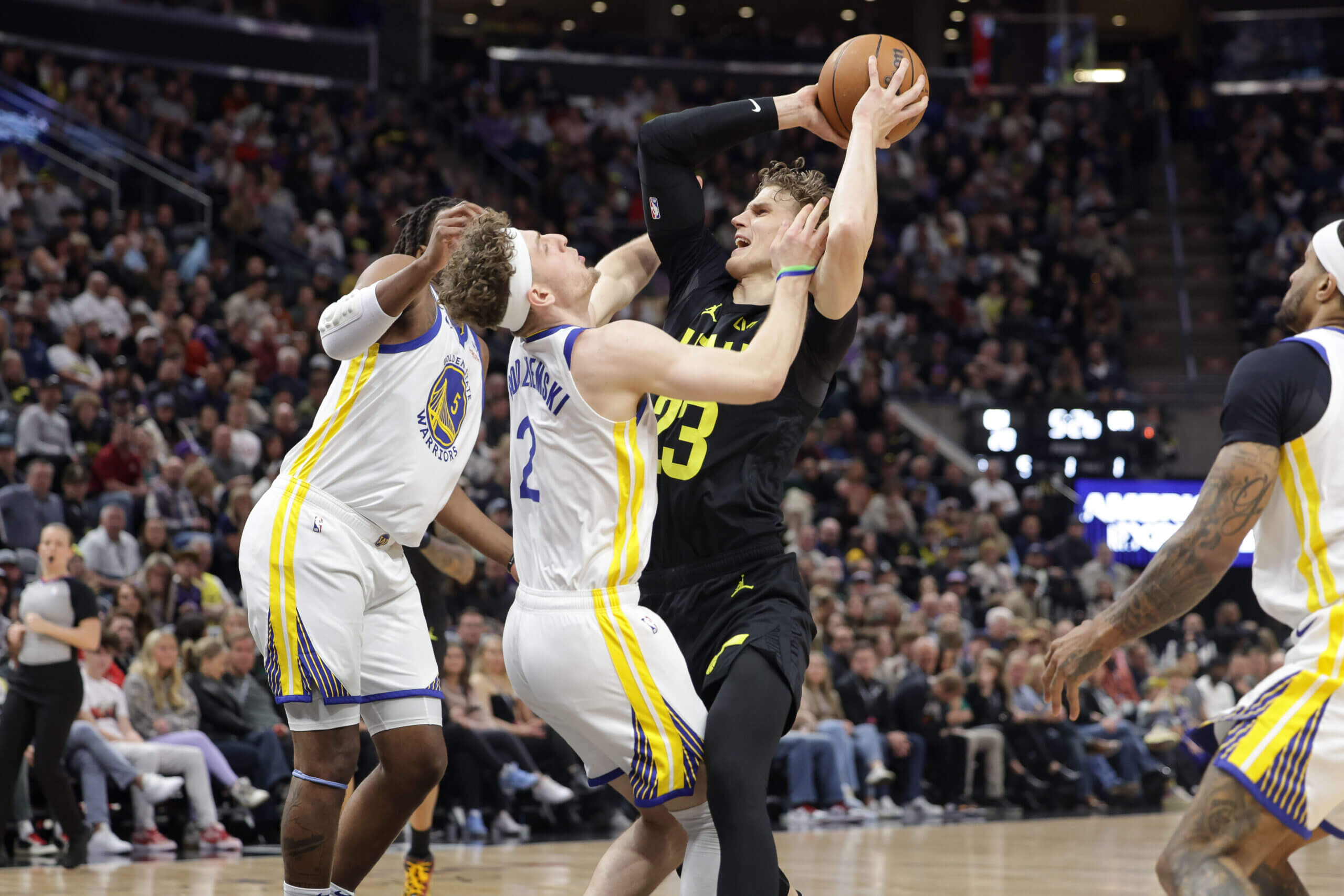
Master the Art of Taking Charges: The Basketball Defensive Move That Wins Games
In this comprehensive guide, we’ll break down exactly how to take a charge the right way, common mistakes to avoid, and why this fundamental defensive skill deserves a place in every player’s arsenal. Mastering this aspect of how to play defense can significantly elevate your game.
What Exactly Is a Charge in Basketball?
Before diving into technique, let’s clarify what a charge is. A charging foul occurs when an offensive player with the ball makes illegal contact with a defender who has established legal guarding position. When called correctly, the offensive player is whistled for a foul, and the defending team gains possession.
This defensive play achieves three things simultaneously:
- Forces a turnover
- Adds a personal foul to the offensive player
- Creates a momentum-shifting moment
Understanding charges is a crucial part of improving your basketball IQ and developing a complete defensive skillset.

The Science Behind a Properly Executed Charge
Taking a charge isn’t just about standing in front of someone – it’s about positioning, timing, and basketball intelligence. Here’s how to master this defensive technique:
1. Establish Legal Guarding Position
The foundation of successfully drawing a charge starts with establishing what referees call “legal guarding position.” This means:
- Having both feet set on the floor (not necessarily shoulder-width apart)
- Maintaining vertical position (your torso should be upright, not leaning)
- Being in position before the offensive player begins their upward shooting motion or drive
Remember: You don’t need to be completely stationary – you can move laterally or backward to maintain position, but forward movement will typically result in a blocking foul against you.
2. Read the Offensive Player’s Intentions
Elite charge-takers excel at anticipating offensive moves. Developing this skill requires:
- Studying offensive tendencies of opponents
- Recognizing driving lanes
- Understanding when offensive players are committed to their path
Drives that start from the perimeter toward the basket are prime opportunities for taking charges, especially when the offensive player has picked up their dribble. This is where building defensive confidence becomes crucial.
3. Position Yourself Strategically
The most effective places to take charges are:
- Just outside the restricted area under the basket
- Along baseline driving lanes
- At the top of the key when guarding screen actions
- In transition when an offensive player is moving at full speed
Remember that charges cannot be taken within the restricted area semicircle under the basket in high school, college, and professional games. Understanding the basketball court layout will help you position yourself correctly.
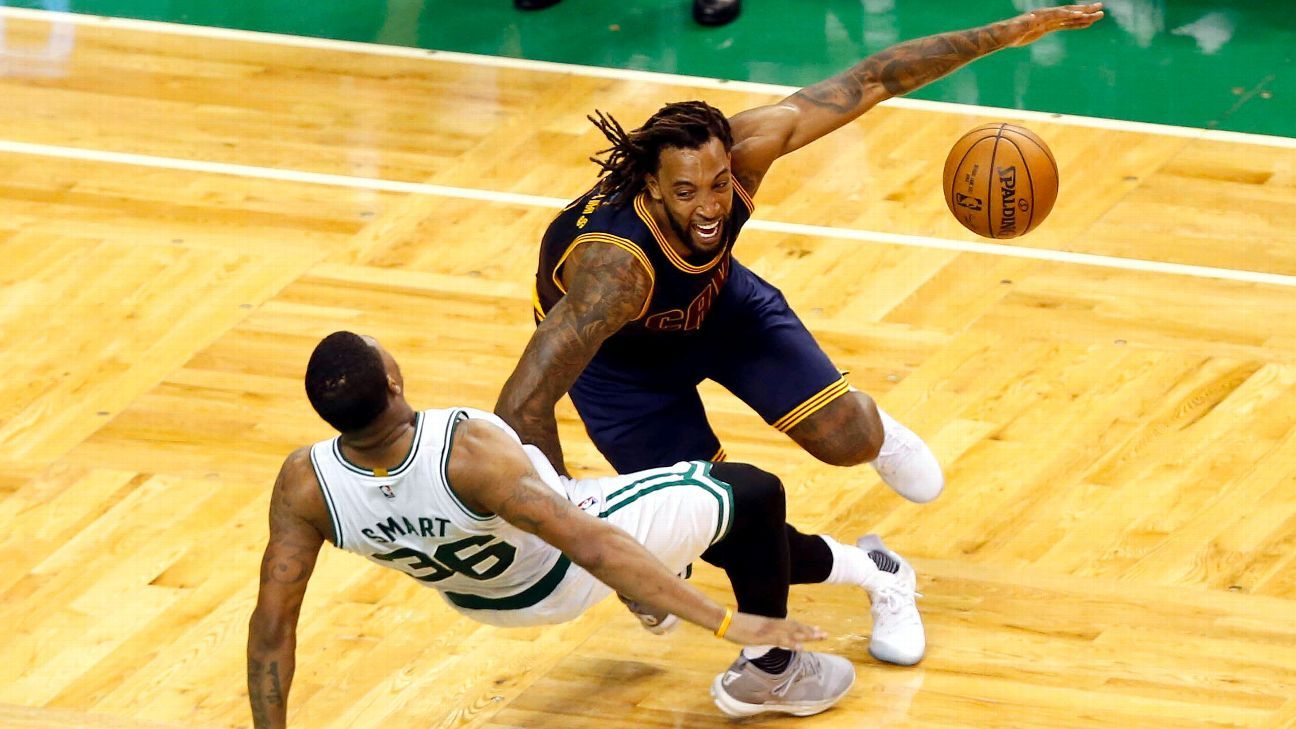
4. Master the Proper Falling Technique
This is where many players make mistakes that lead to injuries. When taking the contact:
- Brace your core muscles
- Slightly bend your knees to lower your center of gravity
- As contact occurs, sit back rather than falling straight backward
- Tuck your chin to protect your head
- Distribute the impact by slapping your arms against the floor (similar to breakfall techniques in martial arts)
- Never try to catch yourself with your hands or elbows
Proper falling technique is essential for avoiding injuries and sustaining your ability to cope with basketball injuries throughout your career.
5. The Mental Aspect of Charge-Taking
Taking charges requires mental toughness and a willingness to sacrifice your body. This defensive mentality:
- Demonstrates leadership and team-first attitude
- Frustrates offensive players psychologically
- Earns respect from teammates and coaches
- Often leads to increased playing time
This willingness to sacrifice for the team is one of those valuable life lessons in basketball that extends beyond the court.
Common Mistakes When Attempting to Take Charges
Avoid these errors that commonly result in blocking fouls or injuries:
- Leaning or reaching – Your torso should remain vertical
- Moving forward into contact – Any forward movement will likely result in a blocking foul
- Establishing position too late – You must be set before the offensive player begins their upward motion
- Positioning inside the restricted area – In games with this rule, charges cannot be taken here
- Looking away or closing your eyes – Maintain visual contact to prepare for impact
- Arms extended or hands active – Keep hands visible but not reaching
Understanding the basketball foul rules thoroughly will help you avoid these common mistakes.
Drills to Improve Your Charge-Taking Ability
1. The Chair Drill
- Place a chair at various spots on the court
- Practice establishing position, taking simulated contact, and proper falling technique
- Focus on foot placement and body control
2. Partner Drive and Charge
- Have a partner drive from different angles
- Practice reading their movement and establishing position
- Start with slow-motion drives and gradually increase speed
3. Reaction Charge Drill
- Coach points in a direction
- Defender shuffles that way and establishes charge position
- Offensive player drives on command
- Emphasizes quick footwork and positioning
4. Game Situation Charges
- Incorporate charge opportunities into scrimmages
- Award extra points or recognition for successfully taken charges
- Creates game-like scenarios for practice
For more comprehensive practice options, check out our guide on essential basketball drills for every skill level and basketball defense drills for motivated beginners.

How Taking Charges Wins Basketball Games
The impact of effective charge-taking extends beyond the immediate turnover:
1. Foul Trouble Advantage
Getting key offensive players into foul trouble can completely alter game strategy and force bench players into crucial minutes. This is especially effective when you can draw fouls on the opposing team’s star players.
2. Momentum Shifters
Few defensive plays energize a team and crowd like seeing a player sacrifice their body by taking a charge. These momentum-changing moments often lead to scoring runs on the other end.
3. Psychological Edge
Offensive players become hesitant when driving lanes are cut off by defenders willing to take charges. This hesitation disrupts offensive flow and can lead to forcing turnovers on defense.
4. Statistical Impact
Analytics show that teams proficient at drawing charges typically have stronger defensive ratings. While charges don’t show up in traditional box scores, coaches track these plays and value them highly.
5. Championship DNA
Championship teams at all levels typically have at least one player who excels at taking charges. These “glue guys” make winning plays that don’t always appear in highlight reels.
Take the 2019 NBA Champion Toronto Raptors, for example. Kyle Lowry led the league in charges drawn that season with 33 during the regular season and added crucial charge calls during their playoff run. Those possessions proved decisive in close elimination games.
Incorporating Charge-Taking Into Your Defensive Identity
Not every player needs to be a charge-taking specialist, but every team needs players willing to make this defensive play. Consider your physical attributes and basketball role:
- Undersized guards can neutralize size disadvantages
- Help defenders can use charges to protect the rim
- Players with high basketball IQ but limited athleticism can contribute defensively
Understanding your specific basketball position and role on the court can help you determine how charge-taking fits into your defensive strategy.
Conclusion
Mastering the art of taking a charge properly is one of basketball’s most underrated skills. While it may not make the highlight reel, it represents basketball intelligence, team-first mentality, and winning plays that coaches value tremendously.
By establishing proper position, reading offensive movements, implementing correct falling technique, and having the courage to stand your ground, you’ll add a crucial defensive weapon to your arsenal that can absolutely win games.
Remember: Great shooters affect scoring, but great charge-takers affect winning. Taking charges is one of those core basketball fundamentals that separates good players from great ones.
Frequently Asked Questions
Q: Can you take a charge inside the restricted area under the basket?
A: No, not in high school, college, or professional games that use the restricted area rule. This semicircle is specifically designed to prevent defenders from sliding under airborne offensive players near the basket.
Q: How do you avoid injury when taking a charge?
A: Proper falling technique is crucial – tuck your chin, absorb impact across your back and arms, never try to catch yourself with hands or elbows, and strengthen your core muscles to protect your spine. For more on staying healthy while playing, check out our guide on helping players cope with injuries.
Q: Does taking a charge count as a steal in basketball statistics?
A: No, it’s recorded as a turnover for the offensive player but not as a steal for the defender. Some advanced statistics track charges drawn as a separate defensive category.
Q: What’s the difference between a block and a charge?
A: A blocking foul occurs when the defender hasn’t established legal position or moves into the offensive player’s path after they’ve begun their shooting motion. A charge occurs when an offensive player makes contact with a defender who has established legal position. Understanding the basketball terms related to officiating can help you better understand these calls.
Q: Who are some of the best charge-takers in basketball history?
A: Players like Kyle Lowry, Shane Battier, Anderson Varejão, Marcus Smart, and Ersan Ilyasova are known for their exceptional ability to draw charges at the NBA level.
Make sure to check out basketballfundamentals.com for more information! Want to see these techniques in action? Check out our free video tutorial on defensive fundamentals and browse our comprehensive basketball resources to elevate your game to the next level.