
Why No One Teaches You How to Be a Good Teammate—But Everyone Expects It
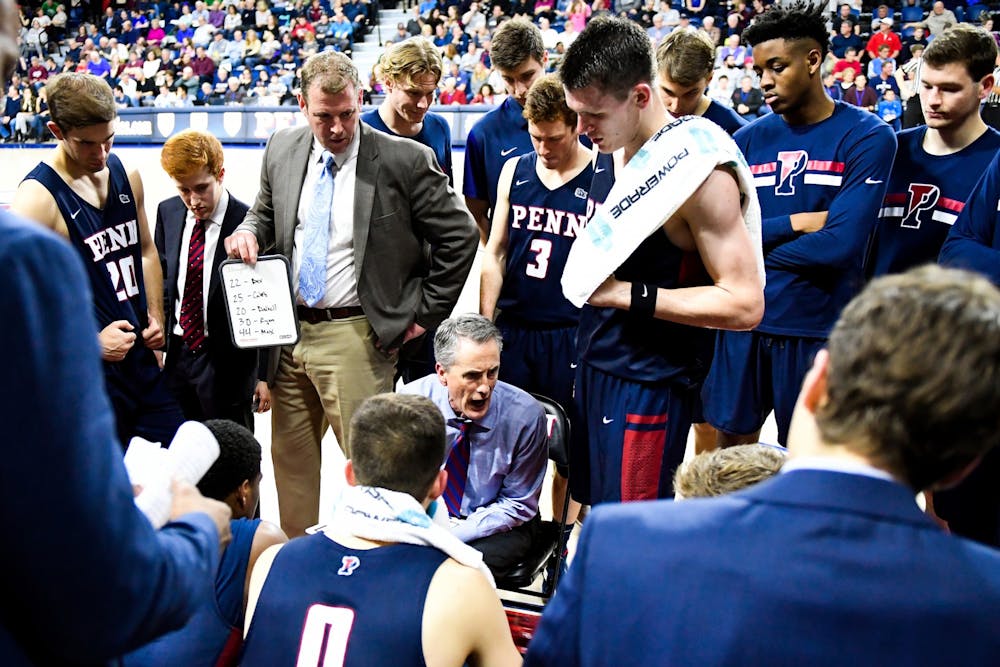
Yet when things go wrong on the court, what’s the first thing coaches yell? “Work together!” “Be a better teammate!” “It’s about the TEAM!”
Here’s the truth: basketball teamwork skills are just as important as technical fundamentals—maybe even more so—but they rarely get taught directly. Instead, they’re expected to develop naturally through play and experience.
For many players, this works fine. But for others, especially those with natural scoring talent, the path to becoming a great teammate isn’t always clear. Let’s change that today.
The Hidden Skills That Make Great Teammates
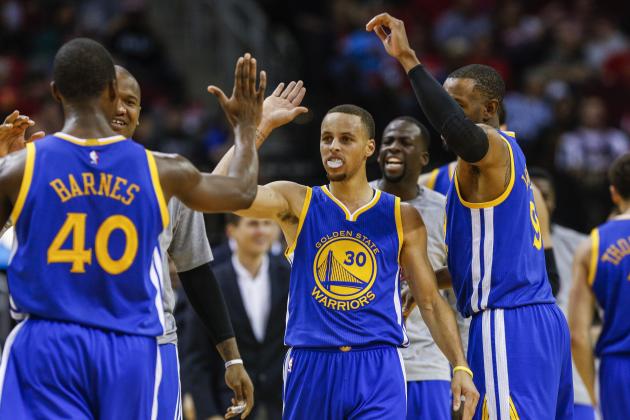
Being a good teammate isn’t just about high-fives and positive attitudes (though those definitely help). It involves specific skills that can be recognized, practiced, and mastered:
1. Proactive Communication
Great teammates don’t wait for problems to occur before they speak up. They constantly communicate on the court:
- Calling screens
- Announcing defensive help
- Directing traffic during transitions
- Offering encouragement after mistakes
This isn’t just noise—it’s critical information that helps the team function as a unit rather than five individuals. Professional players emphasize that communication on offense helps you stay mentally engaged while defensive communication literally directs traffic on the court.
Effective basketball IQ relies on constant team communication. The best players know what their teammates are doing before they do it.
2. Understanding Your Role
Every successful team needs players who embrace different roles. Some nights, your role might be:
- Setting screens to free up shooters
- Grabbing offensive rebounds
- Defending the opponent’s best player
- Making the extra pass
The player who understands and accepts their role—even when it changes game to game—becomes the backbone of championship teams. Understanding basketball positions is the first step, but embracing your specific role within those positions is what elevates team performance.
3. Selflessness With Purpose
Being selfless doesn’t mean never shooting. It means making decisions based on what gives your team the best chance to succeed rather than what makes you look good.
Sometimes the most selfless play is taking the open shot rather than forcing a pass. Other times, it’s passing up a good shot for a teammate’s great shot.

4. Constructive Accountability
Great teammates hold others accountable without tearing them down. They:
- Address issues directly but privately
- Focus on fixable behaviors, not personality
- Offer solutions, not just criticism
- Demonstrate what they expect through their own actions
Why Basketball Teamwork Skills Matter Beyond the Court
The skills that make you a good teammate in basketball translate directly to success in:
- School group projects
- Workplace collaboration
- Family relationships
- Community involvement
Research shows that children who participate in team sports develop stronger social skills and often perform better academically. Basketball helps kids learn essential problem-solving, teamwork, and communication skills, while teaching them to handle adversity and pressure.
These life lessons extend far beyond basketball, as highlighted in The Big Picture: 6 Life Lessons in Basketball. The discipline and cooperation skills learned on the court become invaluable in all areas of life.
Building Better Basketball Team Communication
Communication might be the most teachable teamwork skill. Here are practical ways to improve:
Off-Court Exercises:
- Team meetings where everyone shares one thing they’re working on
- Film sessions where players explain what they see happening
- Partner drills where players must verbalize their movements
On-Court Drills:
- Scrimmage with a “no silent possessions” rule
- Defensive drills where players must call out screens and switches
- Passing exercises with intentionally difficult angles that require verbal coordination
Basketball Teamwork Exercises Anyone Can Implement
Whether you’re a coach, parent, or player looking to build better teamwork, these exercises can help:
1. The Blind Dribble
Pair up players. One wears a blindfold and dribbles while their partner verbally guides them through an obstacle course. This builds trust and communication skills while improving dribbling fundamentals.
2. Three-Touch Rule
During scrimmages, implement a rule that the ball must touch at least three players before anyone can shoot. This encourages ball movement and inclusion, while developing better passing skills.

3. Rotating Leadership Drills
Assign different players to lead warm-ups each practice. This develops leadership skills and helps everyone feel invested in the team’s success, similar to what coaches discuss in 20 Basketball Coaching Tips to Improve Your Team.
4. Deliberate Role-Swapping
Have players switch positions during practice. This builds empathy and understanding of what teammates experience in different roles.
Building Trust: The Foundation of Great Teams
Trust is earned through consistent actions over time. Building trust among teammates takes time and requires consistent effort, communication, and accountability. The most successful teams celebrate and support each other’s successes, both on and off the court.
To accelerate trust-building:
- Create opportunities for shared challenges outside basketball
- Encourage players to spend time together off the court
- Establish team rituals that build identity and belonging
- Celebrate team successes, not just individual achievements
Common Mistakes That Break Team Chemistry
Even well-intentioned players can damage team chemistry through:
- Body language that shows frustration with teammates’ mistakes
- Selective hustle (only trying hard when you have the ball)
- Taking credit for successes but blaming others for failures
- Forming exclusive cliques within the team
The best players recognize these behaviors in themselves and work to eliminate them. Developing unshakable mental toughness helps players maintain positive team attitudes even in challenging situations.
How Coaches Can Cultivate Better Teammates
Coaches play a crucial role in developing teamwork:
- Make it explicit – Don’t assume players know what good teamwork looks like. Define and discuss specific behaviors.
- Reward unselfish play – Highlight and praise good teammate behaviors as much as scoring or athletic plays.
- Create teammate metrics – Track assists, hockey assists (the pass before the assist), screens set, deflections, and other teamwork statistics.
- Share leadership – Give players opportunities to lead portions of practice or make strategic decisions.
- Address teamwork issues immediately – Don’t let selfish play or poor communication slide because a player is talented.
For youth coaches, implementing these principles is especially important, as outlined in Coaching Youth Basketball: Where Should You Start?
Basketball Cooperation Skills for Youth Players
Young players can start developing teamwork habits through:
- Learning teammates’ names and one fact about each person
- Making eye contact before passing
- Giving high-fives after both made and missed shots
- Helping teammates up from the floor
- Celebrating others’ successes as enthusiastically as their own
These fundamentals can be incorporated into basketball drills for kids to make teamwork a natural part of development from the beginning.
The Teammate Test: How Do You Measure Up?
Ask yourself these questions honestly:
- Would your teammates choose to play with you again?
- Do you make others better when you’re on the court?
- Are you as engaged when setting a screen as when taking a shot?
- Do you communicate constantly, not just when something goes wrong?
- Can your teammates predict your behavior in crucial moments?
The answers reveal more about your value to a team than any statistical category. Having exceptional basketball IQ means understanding how your actions affect the entire team.
Basketball Team Building Activities Beyond Practice
Great teams connect beyond formal practice through:
- Team meals before or after games
- Community service projects
- Watching college or pro games together
- Summer pickup games without coaches present
- Team challenges like escape rooms or obstacle courses
These shared experiences create bonds that translate to better on-court chemistry, something that many great youth basketball camps incorporate into their programs.
The Rarely Discussed Truth: Teammate Quality Affects Your Future
College recruiters and pro scouts evaluate more than your stats and highlights. They watch:
- How you interact with coaches
- Your body language during timeouts
- Your reactions when subbed out
- Your engagement when on the bench
- Your communication with teammates
A player with a reputation as a great teammate will get opportunities that more talented but difficult players won’t. This is particularly important for players looking to get noticed by college basketball coaches.
Becoming the Teammate You Wish You Had
The simplest path to better teamwork starts with you. Be the teammate you always wanted:
- The one who arrives early to rebound for others
- The one who knows when a teammate needs encouragement or space
- The one who plays just as hard in practice as in games
- The one who focuses on solutions instead of blame
- The one who makes the team bus rides, locker room, and bench a positive place to be
Conclusion: The Team Beyond the Team
Basketball is unique because it requires both individual skill and seamless teamwork. The best players master both. While no one might have explicitly taught you how to be a good teammate, it’s never too late to learn.
The teamwork skills you develop now will serve you far beyond your playing days. In fact, they might become the most valuable lessons basketball ever teaches you.
FAQ:
How can I be a good teammate if I’m the best player on my team?
Focus on making others better. Create scoring opportunities for teammates, mentor less experienced players, and lead by example with your work ethic. Your success and the team’s success don’t have to be separate goals. Consider how you can improve your passing to create opportunities for teammates.
What if my teammates don’t reciprocate my teamwork efforts?
Continue modeling good teammate behavior. Teamwork can be contagious. Also, have private conversations with teammates about what you’re trying to accomplish together.
Can you be too unselfish as a player?
Yes. Good teammates take responsibility when it’s their time to lead. Being afraid to shoot or make decisive plays isn’t true unselfishness—it’s avoiding responsibility. Learning how to create space and shoot is part of being a good teammate in the right situation.
How can parents help their children become better teammates?
Praise teamwork behaviors you observe, not just scoring. Ask questions about how they helped teammates succeed. Avoid criticizing their teammates or coach, which models division rather than unity.
Is it possible to turn around a team with poor chemistry?
Absolutely. Team chemistry can change dramatically with even a few players committed to new standards of communication, support, and shared purpose. Be patient and consistent in your approach.
Make sure to check out basketballfundamentals.com for more information! Check out our free video tutorial on building better basketball teamwork skills and further explore our site on basic basketball fundamentals.