
How to Use Psychology to Get Under an Opponent’s Skin (Without Trash Talk)
The mental game in basketball can be just as important as physical skills. Learn how to gain a psychological edge over your opponents without resorting to trash talk.
Key Mental Tactics in Basketball
1. Disrupt Their Rhythm Through Unpredictability
Every player has comfort zones and preferred patterns. By studying your opponent and then disrupting those patterns, you can force them out of their rhythm and elevate your basketball IQ at the same time.
Tactics to implement:
- Change defensive coverages unexpectedly – If your opponent expects a certain defensive scheme, suddenly switching to something different can throw off their mental preparation. This is especially effective against teams that rely heavily on set plays.
- Vary your offensive timing – If you’ve established a pattern in how you attack, suddenly changing speeds can catch defenders mentally unprepared and potentially lead to blowing by any defender.
- Use strategic pauses – Sometimes slowing down the game when an opponent is in flow can disrupt their momentum and psychological state.
Basketball coaches know that basketball psychological momentum can shift rapidly. By creating unexpected situations, you force opponents to think rather than rely on muscle memory, often leading to hesitation and poor decision-making.
2. Control What They See
The eyes reveal intention, and controlling what information your opponent receives can create mental confusion that gives you an advantage.
Tactics to implement:
- Use misdirection with your eyes – Look one way while planning to move another to create defensive uncertainty, similar to how elite players master the perfect basketball pass.
- Disguise your plays – Run similar setups that branch into different actions to create recognition problems.
- Create false patterns – Establish a pattern early in the game, then break it at a crucial moment when your opponent has mentally committed to anticipating it.
Basketball visualization works both ways – disrupt what your opponent visualizes happening, and you’ve already gained an advantage before the play even develops.
3. Apply Pressure to Their Weaknesses
Every player has aspects of their game they’re less comfortable with. Targeting these areas creates psychological pressure without saying a word.
Tactics to implement:
- Force non-shooters to shoot – When defenders sag off dramatically, it creates mental pressure on poor shooters, making them uncomfortable even when they have open looks.
- Make poor ball handlers dribble – Aggressive on-ball defense against players uncomfortable with dribbling creates anxiety. This is where advanced defense drills can help you develop the skills to apply this pressure effectively.
- Push players to their weak hand – Overplaying consistently to force a player to their weaker side creates mental frustration and can lead to turnovers.
Research on basketball psychology shows that repeatedly forcing players outside their comfort zone directly impacts their confidence and focus, creating a compounding effect as the game progresses.
4. Leverage Body Language and Non-Verbal Communication
Your physical presence communicates volumes without words and can psychologically influence opponents.
Tactics to implement:
- Maintain confident posture – Standing tall with shoulders back signals dominance even after mistakes, something that’s essential when playing under pressure.
- Use strategic eye contact – Maintaining calm, focused eye contact during free throws or before inbounding can create pressure.
- Respond positively to setbacks – Demonstrating resilience after mistakes can psychologically deflate opponents expecting you to crumble.
Basketball emotional control is contagious – both positive and negative emotions spread through teams. Your composed body language can influence not just one opponent but their entire team’s mental state.
5. Strategic Timing of Effort
Knowing when to expend maximum effort for psychological impact can create momentum shifts that alter the course of a game.
Tactics to implement:
- Timely defensive stands – Elevating defensive intensity after your team scores creates “momentum stacking” that can lead to runs.
- End-of-quarter pushes – Heightened effort in the final minute of quarters creates psychological advantages that carry into breaks. This is where top basketball drills in practice can prepare you to execute when it matters most.
- Post-timeout surges – Bringing unexpected energy immediately after an opponent’s timeout can negate their mental reset and tactical adjustments.
Basketball mental preparation often focuses on specific game segments. Disrupting these expected patterns at strategic moments can have outsized psychological effects that swing the momentum your way.
Common Mistakes to Avoid
Psychological tactics in basketball must be used wisely or they can backfire:
- Don’t become predictable yourself – If your psychological tactics follow obvious patterns, opponents will adapt and counter them.
- Avoid focusing on opponents at the expense of your game – The primary focus should remain on your execution and core basketball fundamentals.
- Don’t cross the line into unsportsmanlike conduct – Effective psychological tactics stay within the rules and spirit of the game.
- Beware of motivating opponents – Some players get energized by mental challenges, so be prepared to adjust your approach if you notice your tactics fueling their fire rather than extinguishing it.
Training Drills to Improve Your Mental Game
Building your own mental toughness makes psychological tactics more effective and prevents opponents from using similar tactics against you.
Recommended exercises:
- Distraction practice – Have teammates create game-like distractions during practice drills to build focus. This can be incorporated into your essential warm-up drills.
- Visualization routines – Spend 5-10 minutes daily visualizing successful performance under pressure.
- Mindfulness meditation – Regular practice of present-moment awareness builds emotional control and focus.
- Pressure free throws – End practices with high-stakes free throw situations that mimic game pressure, which can also help improve your free throw shooting under pressure.
Basketball mental training should be part of your regular routine, not just an afterthought. Just as you develop physical skills, psychological skills require consistent practice to maintain and improve.
Real-World Application: The Mental Game in Action
The most effective psychological tactics aren’t just theoretical—they’re practical approaches that work in real game situations. Consider these examples:
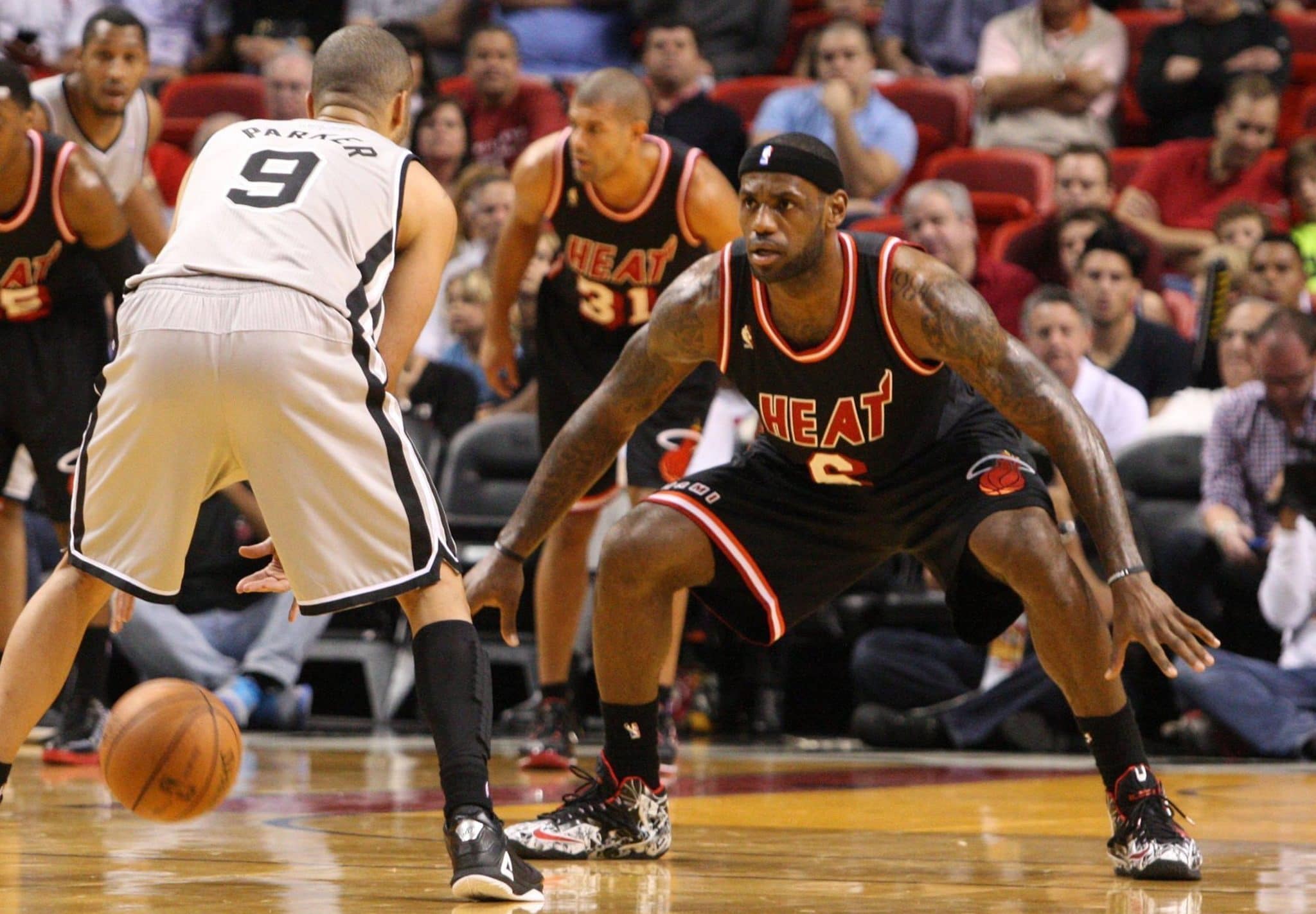
- Defensive stance psychology – Maintaining a low defensive stance even when tired sends a message about your mental fortitude and creates doubt in offensive players.
- Decision timing – Making quick, decisive moves on offense before defenders can set themselves mentally creates an advantage that compounds throughout the game.
- Recovery rituals – Having a visible ritual to mentally reset after mistakes (like wiping your shoes or adjusting your jersey) helps maintain your psychological equilibrium while showing resilience to opponents.
The best players understand that making smart decisions in close games is as much about mental preparation as physical ability. When you combine psychological techniques with physical skills, you create a formidable presence on the court that opponents will struggle to overcome.
Conclusion
The mental side of basketball offers untapped advantages for players willing to develop their psychological game. By implementing these tactics respectfully and within the rules, you can gain a competitive edge without resorting to trash talk or unsportsmanlike behavior.
Remember that the most effective psychological tactics are those backed by genuine skill and performance. These approaches work best when they’re part of a complete game that includes strong fundamentals, physical preparation, and tactical understanding.
As you integrate these mental strategies into your game, you’ll notice not just an improvement in your psychological leverage over opponents, but also in your own mental resilience and focus. Your overall basketball training should always include the mental aspect alongside physical development.
FAQ
- Is it unsportsmanlike to use psychological tactics in basketball?
- Not when done respectfully and within the rules. Strategic psychology has always been part of competitive sports.
- How do I know if my psychological tactics are working?
- Look for signs like hesitation, frustration, rushed shots, or communication breakdowns from opponents.
- Can these tactics work at any level of basketball?
- Yes, but the sophistication may vary. Even youth players can benefit from basic concepts like confident body language and strategic effort timing when coaching youth basketball.
- How do I prevent opponents from using these tactics against me?
- Developing your own mental toughness through consistent practice is the best defense against psychological tactics.
- Should I discuss psychological strategies with my coach?
- Absolutely. Your coach can help integrate these approaches into team strategy for maximum effectiveness and might incorporate them into coaching tips to improve your team.