
Why the Best Basketball Players Are Also the Best Listeners: The Game-Changing Power of Active Listening
Whether you’re a coach looking to develop your team or a player aiming to elevate your game, understanding how active listening impacts basketball performance could be the missing piece in your strategy. Let’s break down why listening skills might be your secret weapon for basketball success.
What Is Active Listening in Basketball?
Active listening in basketball goes far beyond simply hearing instructions. It’s about fully engaging with and processing information from coaches, teammates, and even the game itself.
On the basketball court, this means:
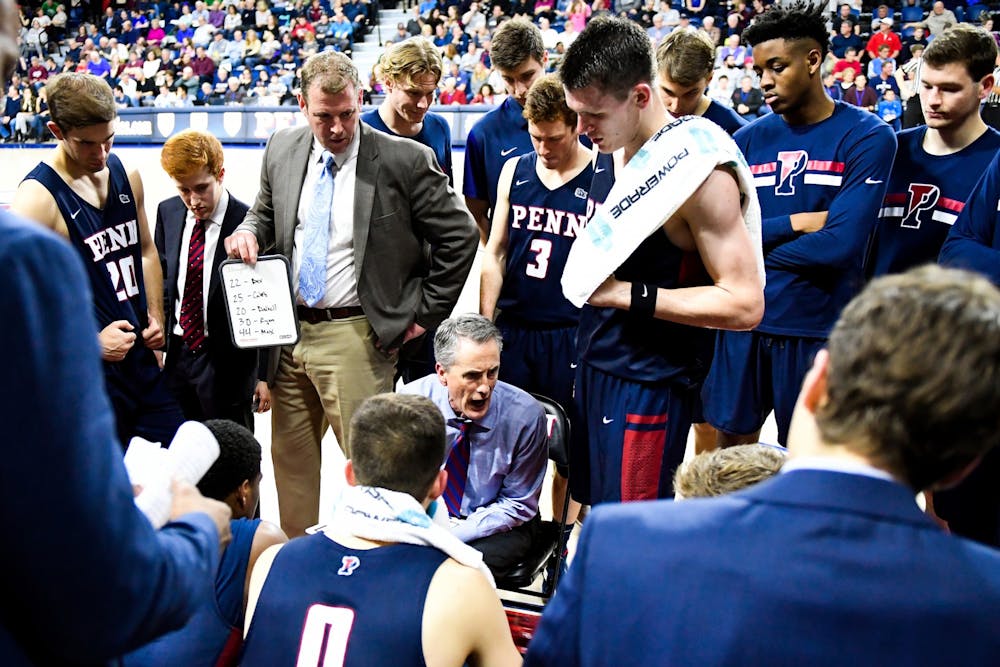
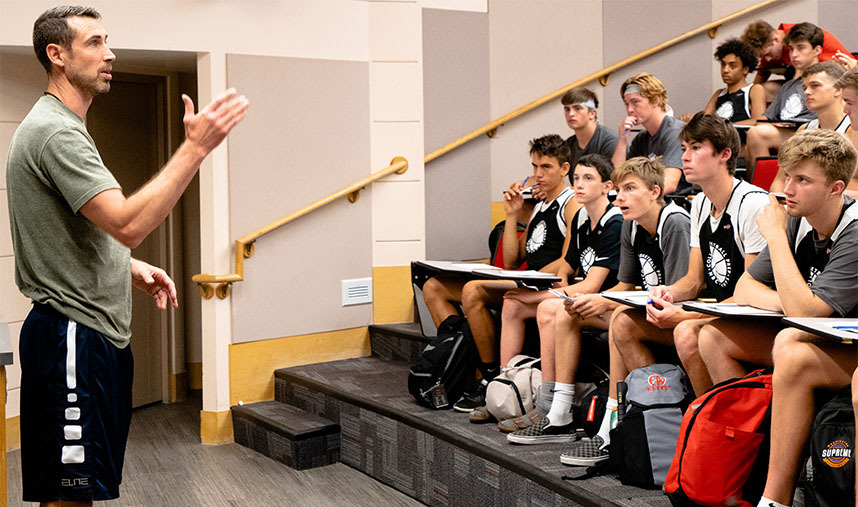
- Maintaining eye contact when coaches are giving instructions
- Acknowledging information with verbal or non-verbal cues
- Asking clarifying questions about plays or assignments
- Processing feedback without becoming defensive
- Remembering key points and applying them immediately
Why Top Basketball Players Master Listening Skills
1. They Make Fewer Defensive Mistakes
Communication is especially important when playing defense since offensive players are constantly moving around. When teammates don’t communicate effectively, it often leads to giving up wide open three-pointers or easy layups.
The best defenders aren’t just quick on their feet—they’re quick to process information. When a teammate calls out “Switch!” or “Screen right!” elite players react instantly because they’re constantly listening for these crucial cues.
2. They Build Stronger Team Chemistry
Basketball is the ultimate team sport. Players who actively listen to their teammates build trust faster and develop an almost telepathic connection on the court. This translates to:
- Smoother offensive possessions
- Fewer turnovers from miscommunication
- Better overall team morale
- Quicker adjustments during high-pressure situations
3. They Absorb Coaching More Effectively
Ever notice how the star players often seem to have the closest relationship with coaches? That’s not a coincidence.
Players who excel at basketball IQ are typically those who listen intently to coaching instruction, absorb feedback, and implement adjustments quickly. This two-way listening relationship helps coaches better tailor their approach, while players benefit from personalized guidance that accelerates their development.
4. They Process Non-Verbal Communication Better
Over 90% of our communication is non-verbal. Our inner dialogue informs our subconscious actions, our face, tone of voice, and our body language.
Elite basketball players don’t just listen with their ears—they observe body language, facial expressions, and court positioning. This broader definition of “listening” gives them an edge in anticipating plays before they develop.
How to Improve Your Basketball Listening Skills
Ready to strengthen this crucial skill? Here are practical ways to become a better listener on the court:
Practice Focused Attention During Team Talks
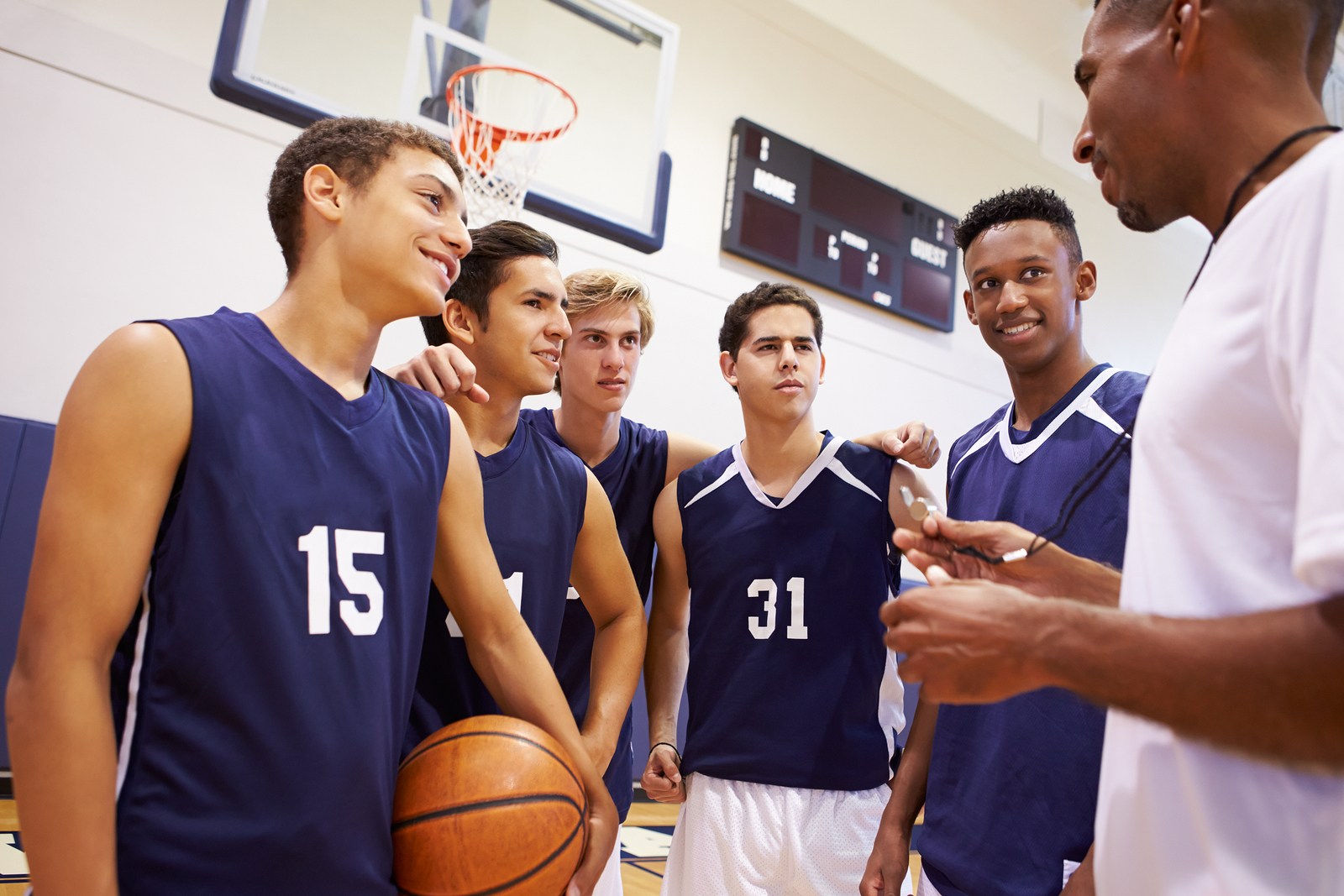
When your coach is speaking, eliminate distractions. Put water bottles down, maintain eye contact, and resist the urge to chat with teammates. This shows respect and ensures you don’t miss critical information.
Develop Court Awareness Through Active Listening
Court awareness isn’t just visual—it’s auditory too. Start paying attention to:
- The squeaking of opponents’ shoes (often indicates direction changes)
- Teammates calling for screens or switches
- Opponent communication that might reveal their next move
- The rhythm and pace of the game
Use Confirmation Communication
Once your team makes this a habit, they’ll start to reap the powerful effects of communication. It engages players, increases teammates’ confidence and shows that players understand what’s occurring.
After receiving instructions, briefly confirm what you heard. A simple “Got it, cutting baseline” or “I’ll pick up number 23” lets everyone know you’re on the same page.
Develop Better Listening Habits Off the Court
Listening skills transfer across all areas of life. Practice active listening in daily conversations by:
- Putting away your phone when others are speaking
- Asking follow-up questions to show engagement
- Resisting the urge to plan your response while others are still talking
- Summarizing what you’ve heard before responding

Common Basketball Communication Breakdowns
Even seasoned players sometimes struggle with listening. Here are the typical pitfalls to avoid:
Environmental Challenges
Basketball is played in noisy environments. Crowd noise, squeaking shoes, and the general chaos of the game can make it difficult to hear instructions. Elite players overcome this by:
- Learning to filter out irrelevant noise
- Developing clear, concise communication patterns
- Using hand signals when verbal communication isn’t possible
- Positioning themselves to hear teammates better
Emotional Barriers
A bitter and divided team is easily discovered. There are cliques, negative facial expressions, snappy and harsh tones, sometimes eye rolls, apathetic movement on the court and coldness off the court.
During intense moments, emotions can block effective listening. Players might:
- Get defensive about mistakes
- Tune out after criticism
- Focus on their frustration rather than solutions
- Dismiss feedback from certain teammates
The best players maintain emotional discipline that allows them to listen effectively even during challenging moments. This is part of building unshakable mental toughness that top players possess.
Assumption-Based Errors
Sometimes players think they know what’s coming next and stop listening. This leads to:
- Running the wrong play
- Defensive breakdowns
- Missing adjustments during crucial moments
- Repeating the same mistakes
Real-World Examples of Great Basketball Listeners
The NBA’s elite players consistently demonstrate superior listening skills:
Chris Paul – Known as the “Point God,” Paul’s court vision is legendary, but his listening skills are equally impressive. He processes coach instructions and teammate information instantly, making real-time adjustments that benefit the entire team.
Sue Bird – Throughout her WNBA career, Bird has been praised for her ability to absorb coaching strategies and translate them perfectly onto the court. Her teammates often cite her as the extension of the coach on the floor.
Draymond Green – While known for his defensive prowess, Green’s communication skills set him apart. He’s constantly listening to teammates, calling out switches, and processing information that keeps the Warriors’ defense connected.
Quick Tips for Coaches: Develop Better Listeners
If you’re coaching basketball, here’s how to nurture better listening skills in your players:
- Keep instructions clear and concise – Players tune out lengthy, complicated directions
- Create a feedback-friendly environment – Players should feel comfortable asking questions
- Recognize and praise good listening – “Great job picking up that adjustment!”
- Use targeted listening drills – Practice scenarios where communication is essential
- Model good listening yourself – Demonstrate what active listening looks like
These approaches can be part of your coaching strategy to improve your team.
The Bottom Line: Listening Is a Basketball Superpower
In the fast-paced world of basketball, where split-second decisions and seamless teamwork are paramount, one skill often overlooked is crucial for both players and coaches alike – active listening.
While physical attributes might determine your potential, listening skills often determine how much of that potential you actually fulfill. The beauty is that while you can’t control your height or natural athleticism, you can absolutely improve how well you listen.
So next time you hit the court, remember: the best players aren’t just the ones making the most noise—they’re the ones listening the most intently. This approach will help you read the game like a pro and make better decisions.
FAQ: Basketball Communication & Listening Skills
How can I improve communication with my coach?
Focus on being receptive to feedback, ask thoughtful questions, and demonstrate that you’re implementing their guidance. This creates a positive feedback loop where coaches invest more in players who actively listen.
What if my teammates don’t communicate well?
Lead by example. Start by being vocal yourself and acknowledging when others communicate effectively. Small improvements in team communication often create a ripple effect.
How do professional teams practice communication?
Many teams run specific drills focused on communication, particularly defensive scenarios where players must call out screens, switches, and help rotations. Film sessions also frequently highlight both good and poor communication examples.
Can listening skills help with basketball IQ?
Absolutely! Basketball IQ develops faster when you’re actively processing information from coaches, teammates, and game situations. Listening accelerates your understanding of the game’s nuances.
What’s the most important listening skill for a point guard?
Point guards need to process information from multiple sources simultaneously—coach instructions, teammate positioning, defensive alignments, and game clock awareness. Developing this multi-channel listening ability is critical for floor generals.
Make sure to check out the core basketball fundamentals for more information! Our free video tutorials cover all aspects of basketball skill development, including communication techniques that can elevate your game immediately.