
Smart Foul Management: The Coach’s Guide to High School Basketball Foul Trouble
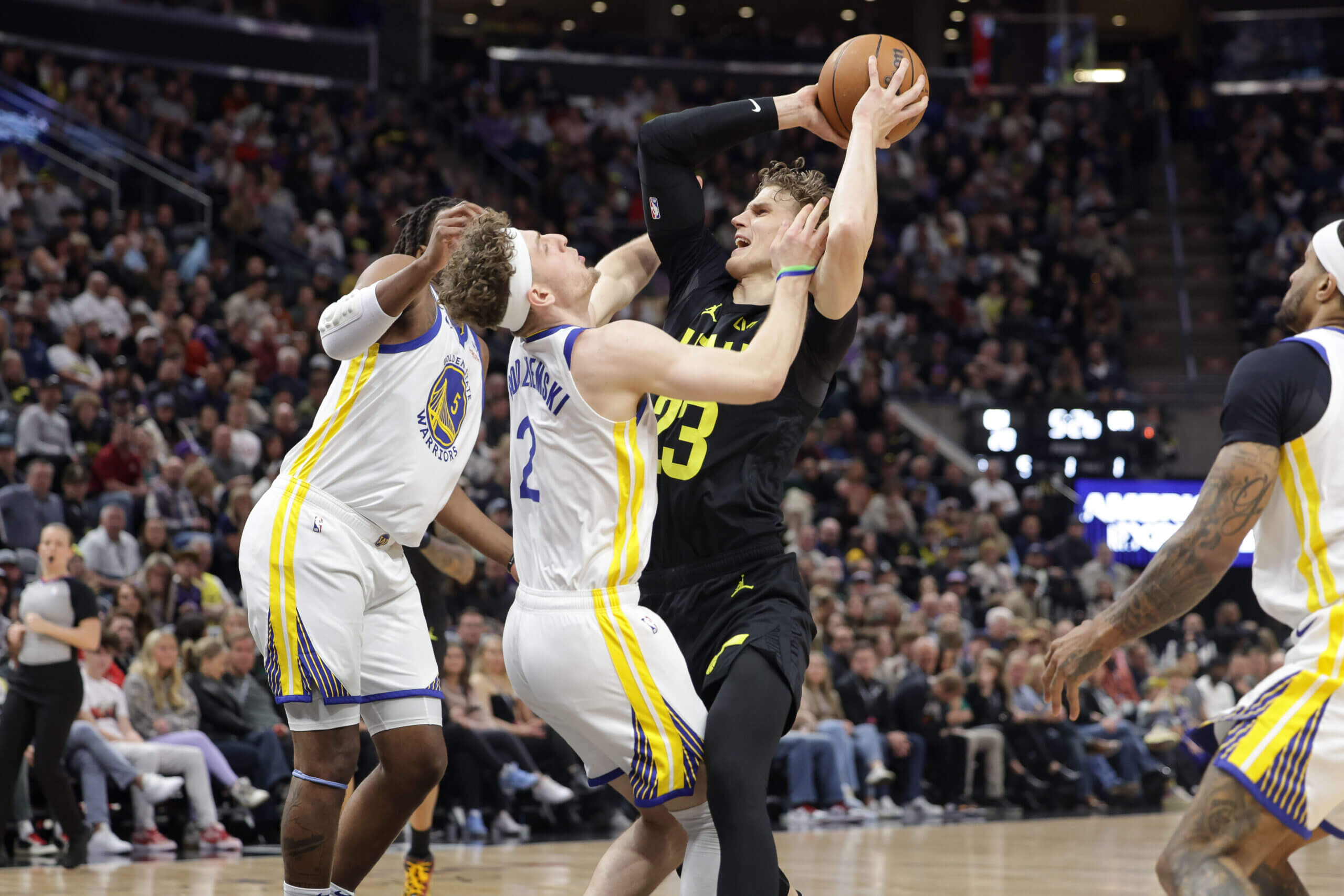
As a high school basketball coach, few scenarios are more frustrating than watching your star player pick up early fouls. That sinking feeling when you see the referee’s arm go up, signaling your point guard’s second foul in the first quarter – we’ve all been there. The decision that follows can make or break your game plan: do you bench them immediately, or let them play through it?
This comprehensive guide tackles the strategic challenge of managing players in foul trouble during high school basketball games, providing research-backed approaches that balance immediate game needs with long-term strategy.
Understanding Foul Rules in High School Basketball
Before diving into strategy, let’s clarify the basic foul rules in high school basketball:
- Players are allowed 5 personal fouls before “fouling out” (being disqualified from the game)
- Teams enter the “bonus” situation after the opponent commits 7 team fouls in a half
- Teams enter the “double bonus” after 10 team fouls in a half
- Technical fouls count toward both team fouls and personal fouls
Understanding these parameters is crucial for any foul management strategy, as they create the framework within which all your decisions must operate. Ensuring your players understand these rules is also a key component of improving basketball IQ.
The Traditional Approach: When to Bench Players
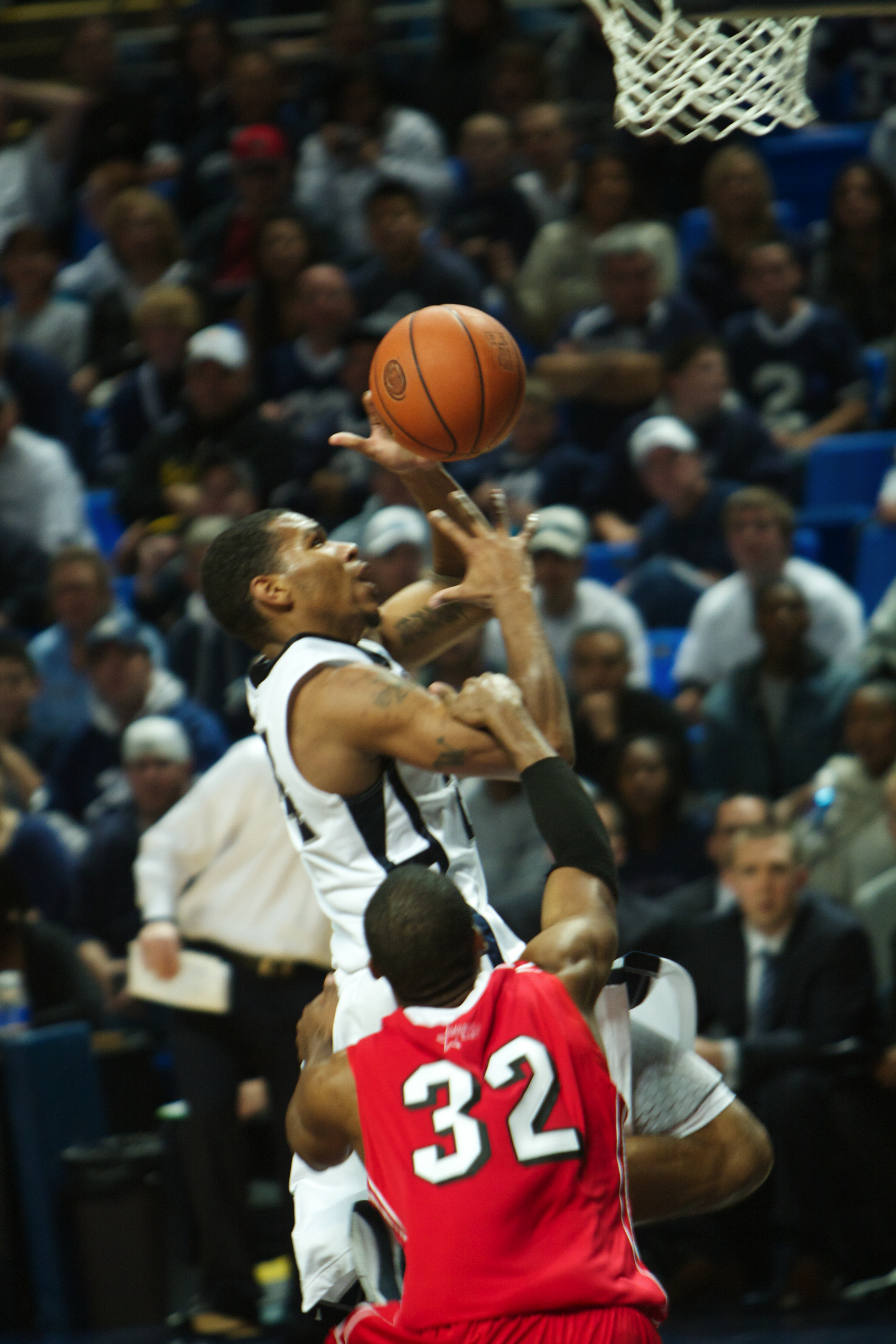
The conventional wisdom for handling foul trouble follows a relatively simple formula:
| Fouls | Quarter | Recommended Action |
|---|---|---|
| 2 | 1st | Bench immediately |
| 3 | 2nd | Bench until halftime |
| 4 | 3rd | Bench until 4th quarter |
| 4 | 4th | Game situation dependent |
This approach prioritizes player availability for the game’s conclusion, ensuring your best players remain eligible during crucial moments. Basketball coaching veteran Rick Torbett explains, “The traditional formula exists because coaches intuitively understand that a player’s value increases as the game progresses toward its conclusion.”
When Traditional Wisdom Falls Short
However, research suggests the standard approach might be too conservative in many scenarios. A compelling study by basketball analytics expert Dean Oliver showed that automatically benching players in foul trouble can cost teams more points than it saves.
Consider these alternative perspectives:
- The Mathematical Argument: If a player typically plays 28 minutes per game and needs to avoid a 5th foul, those minutes will be played regardless of when they occur. Benching them simply shifts when those minutes happen.
- The Opportunity Cost: Every minute your best player sits is a minute your team plays at reduced capacity.
- The Psychological Impact: Players returning after long benchings often play tentatively, reducing their effectiveness.
High school coaching legend Bob Hurley notes, “Sometimes keeping your best players on the floor, even with foul trouble, is worth the risk. The game can get away from you waiting for the ‘perfect’ time to bring them back.”
Research-Backed Strategies for Foul Management
Instead of reflexively benching players at predetermined foul thresholds, consider these evidence-based approaches that can help boost your basketball decision-making in close games:
1. The Expected Value Approach
Calculate the approximate “value” of keeping a player in despite foul risk:
- Step 1: Estimate how many points per minute better your star player is than their replacement (let’s say 0.15 points per minute)
- Step 2: Estimate the probability they’ll commit another foul in the next few minutes (perhaps 25%)
- Step 3: Calculate the value of keeping them in
If keeping them in generates 0.15 points per minute for 4 minutes (0.6 points) but risks losing them for 10 crucial minutes later (1.5 points), the math suggests benching them. This analytical approach is part of advanced coaching strategies that can improve your team.

2. The Game Situation Method
Base your decision on the current game situation:
- Playing with a significant lead? Be conservative and protect your key players
- Struggling to stay competitive? You may need to risk foul trouble to stay in the game
- Facing a pivotal momentum swing? Sometimes keeping your leaders on the floor is worth the risk
- Near the end of a quarter? Consider leaving them in until the natural break
Basketball coaching consultant Adam Bradley advises, “The score, time remaining, and importance of the specific matchup should all factor into your foul trouble calculus.”
3. The Individual Player Adjustment
Not all players require the same foul management strategy:
- Defensive specialists in foul trouble may need quicker benching as their value diminishes when playing cautiously
- Offensive-focused players can often continue contributing even while avoiding defensive risks
- Players with foul-prone tendencies might benefit from shorter rotations when in trouble
- Disciplined veterans can often be trusted to manage their own foul situation
“I treat each player differently based on their basketball IQ and tendency to commit fouls,” explains high school coach Maria Sanchez. “Some players I trust to play through two first-quarter fouls, while others I know need immediate coaching.”
Teaching Players to Avoid Fouls
Proactive foul prevention is just as important as reactive foul management. Develop these skills in practice to help your players master proper defensive techniques:
- Proper defensive positioning – Staying between the offensive player and the basket
- Vertical contesting – Jumping straight up with arms extended vertically
- Hands-off defense – Keeping hands visible and avoiding reach-ins
- Charge-taking fundamentals – Establishing legal guarding position early
- Shot selection awareness – Understanding high-risk offensive moves that lead to offensive fouls
“The best foul trouble management happens in practice, not during games,” notes defensive specialist coach Terrence Williams. “Players who understand positioning rarely find themselves in foul trouble to begin with.” Implementing focused defensive drills can significantly reduce foul tendencies.
Real Game Application: Decision-Making Framework
When your player picks up fouls, quickly assess:
- Player’s importance: How crucial is this specific player to today’s game plan?
- Score and momentum: Is the game slipping away without them?
- Time remaining: How much of the game is left to navigate?
- Matchup dynamics: Does the opponent have specific players your team struggles to guard?
- Bench strength: How capable are your reserves in this specific matchup?
High school coach Marcus Johnson employs a simple but effective approach: “I developed a +/- system where I assign point values to each factor. If the total exceeds my threshold, I’ll risk keeping a player in despite foul trouble.” This systematic approach is especially valuable when coaching youth basketball.

Common Foul Trouble Scenarios and Solutions
Scenario 1: Star Point Guard, Two Early Fouls
Your team relies heavily on this player’s ball-handling and scoring.
Traditional Approach: Bench immediately until second half
Modern Approach: Consider matchups – if backup point guards can maintain competitiveness, bench until 2nd quarter. If not, let them play through with adjusted defensive assignments. This scenario highlights the importance of developing strong ball-handling skills across your roster.
Scenario 2: Dominant Post Player, Three Fouls Before Halftime
Your center is your primary inside scoring threat and rim protector.
Traditional Approach: Bench until 3rd quarter
Modern Approach: If leading comfortably, bench. If struggling, reinsert for final 2-3 minutes of half with clear instructions to avoid defensive risks. Having good rebounding techniques can help reduce risky fouls in the paint.
Scenario 3: Defensive Specialist, Four Fouls in Third Quarter
This player’s primary value is shutting down the opponent’s best scorer.
Traditional Approach: Bench until midway through 4th quarter
Modern Approach: Save them specifically for crucial defensive possessions in the 4th quarter, using offensive/defensive substitutions during dead balls. This approach demonstrates advanced defensive strategy.
Frequently Asked Questions
Q: Should high school coaches be more conservative with foul trouble than college or pro coaches?
A: Generally yes, as high school teams typically have less depth and greater disparity between starters and bench players. However, this varies by program and is one of many core basketball fundamentals that coaches must consider.
Q: How do you keep a player engaged while benched with foul trouble?
A: Give them specific observation assignments from the bench, have them participate in huddles, and maintain communication about when they’ll re-enter. This approach helps build mental toughness even while not playing.
Q: Should coaches pull players immediately after they commit a foul if they’re already in trouble?
A: Not necessarily. The natural break at the end of the quarter often provides a better substitution opportunity than immediately after a foul. This strategic timing is part of developing winning basketball practices.
Q: How do you help a player adjust their game when playing with foul trouble?
A: Provide specific, actionable guidance – like “no reach-ins” or “vertical contests only” – rather than vague warnings that might make them tentative. Teaching players to perform under pressure is essential for these situations.
Conclusion: Balancing Risk and Reward
Managing foul trouble effectively requires balancing immediate needs with long-term game strategy. The research suggests that many coaches are overly conservative, potentially sacrificing too many minutes from their best players.
By considering game context, individual player tendencies, and statistical probabilities, you can develop a more nuanced approach to foul management that maximizes your team’s chances of success. Remember that there’s no one-size-fits-all solution – the right strategy depends on your specific team, the particular game situation, and the individual player in question.
Next time your star player picks up that early foul, resist the automatic bench reaction and ask yourself: what does this specific game situation call for? This thoughtful approach is what separates good coaches from great ones, especially when making clutch decisions.
Make sure to check out basketballfundamentals.com for more strategic insights! Our free video tutorials on defensive positioning can help your players avoid foul trouble altogether, and our comprehensive resources cover everything from basic basketball fundamentals to advanced coaching strategies.