

The Psychology Behind Inbound Plays and Last-Second Shots: Winning Strategies for Clutch Moments
Understanding the Mental Game in Clutch Situations
The final moments of a close basketball game create a unique psychological environment. Players’ heart rates increase, adrenaline surges, and the weight of expectation can either fuel performance or trigger anxiety. This mental battlefield often determines success more than physical ability.
Key Psychological Factors in Crunch Time
Pressure Management: Players who excel in clutch situations aren’t necessarily immune to pressure – they’ve just developed better strategies for managing it. Research shows that controlled breathing techniques and visualization exercises can significantly reduce anxiety during high-pressure situations.
Decision Fatigue: By the end of a game, players have made hundreds of split-second decisions, potentially depleting their mental energy. Well-practiced inbound plays reduce the cognitive load on tired players, allowing for clearer execution when it matters most.
Confidence vs. Overconfidence: A delicate balance exists between having the confidence to take the last shot and becoming overconfident in your abilities. Teams often designate a “clutch shooter” whose practiced confidence in these situations becomes a self-fulfilling prophecy. Improving your basketball IQ can help players find this balance.
Defensive Psychology: Defenders in last-second situations experience their own psychological challenges, often becoming hyper-focused on the ball or the star player, creating opportunities for misdirection plays. Learning how to play defense effectively is just as important as executing offensive plays.
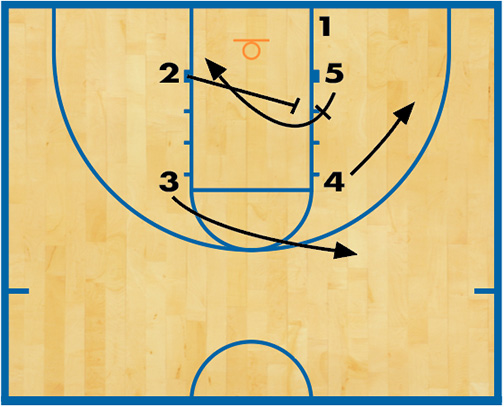
Effective Inbound Plays for Game-Winning Opportunities
The best inbound plays balance simplicity with deception and create multiple options based on how the defense reacts. Here are some proven inbound strategies that work at all levels of play:
The Box Set
One of basketball’s most versatile inbound formations is the box set. Four offensive players form a box near the basket, creating multiple screening opportunities and forcing defenders to make quick decisions.
Why it works: The psychology behind the box set is brilliant – it creates confusion among defenders about which player to prioritize, often leading to miscommunication and defensive breakdowns.
Key variation: The “box screen for shooter” play works by having your best shooter start in the box, then using multiple screens to free them for an open look. The psychological advantage comes from the defense’s natural tendency to anticipate the ball going to your star player, creating opportunities for secondary options. Learning how to move without the basketball is crucial for these plays to work.
The Elevator Doors
This play works brilliantly for freeing shooters and capitalizes on defensive anxiety during crucial moments.
Execution: Two players stand parallel, allowing a shooter to run between them. As the shooter passes, both players step together like closing elevator doors, sealing off any defender trying to follow.
Psychological edge: The play works because defenders instinctively try to follow their man, often running directly into the “closed doors.” By the time they realize what’s happening, the shooter has already received the pass. Having proper shooting form ready for this quick release is essential.
The Decoy Play
This strategy leverages the defense’s tendency to focus on star players in clutch situations.
How it works: Your best shooter makes a hard cut to the ball, drawing defensive attention, while a secondary scorer makes a delayed cut to the basket or to an open spot behind the three-point line.
Mind game advantage: Defenders naturally fixate on stopping the obvious threat, creating a psychological blind spot for secondary options. The inbound passer can exploit this tunnel vision by finding the open player. This is where improving your basketball passing skills becomes invaluable.
Common Psychological Mistakes in Last-Second Situations
Understanding what typically goes wrong in clutch situations can help teams avoid these pitfalls:
Overthinking: Many coaches design overly complex plays for last-second situations. Under pressure, simplicity usually triumphs over complexity.
Predictability: Teams often become predictable in clutch situations, repeatedly going to the same player or running the same play. This creates a psychological advantage for prepared defenders who can anticipate the action.
Clock Awareness: Poor time perception is common under stress. Players often rush shots with more time than they realize, or conversely, fail to get a shot off before the buzzer. Understanding how long basketball games last at different levels helps with this awareness.
Communication Breakdown: Pressure can cause communication to deteriorate, with players missing verbal cues or forgetting assignments. Pre-planned, practiced plays with clear terminology reduce this risk.
Setting Up Successful Inbound Plays: Practice Techniques
The psychological aspect of clutch execution is heavily influenced by preparation. Here’s how to practice effectively:
Simulate Game Pressure: Simply running through plays in practice doesn’t prepare players for game-time pressure. Create high-stakes practice scenarios by attaching consequences to success or failure. Mastering shooting under pressure requires specific training.
Visualization Training: Research shows that mental rehearsal activates many of the same neural pathways as physical practice. Have players visualize successful execution of inbound plays from different perspectives. This is part of building unshakable mental toughness.
Situational Awareness Drills: Practice various time-and-score scenarios so players develop an intuitive feel for when to shoot quickly versus when to work for a better shot. Understanding how your brain reacts under pressure can help players stay in control.
Role Clarity: Every player should understand not just their primary role but also backup options if the initial action is defended well. This prevents hesitation in crucial moments.
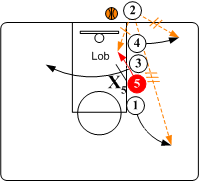
Advanced Psychology: The Chess Match Between Coaches
The inbound play battle is also a psychological duel between coaches:
Timeout Strategy: Sometimes calling a timeout gives the defense time to set up and communicate. Understanding when to call timeouts versus playing through can create advantages.
Defensive Anticipation: Many coaches save specific inbound plays for crucial moments, never revealing them until absolutely necessary. This prevents defensive preparation and creates a psychological edge.
Misdirection: Coaches might have players or assistants discuss a decoy play loudly enough for opponents to overhear, then run something completely different. This is an example of advanced basketball IQ for making smart decisions in close games.
Conclusion: Preparing for the Clutch
The psychology behind successful inbound plays and last-second shots revolves around preparation, confidence, and execution under pressure. By understanding both the mental and strategic elements at play, teams can significantly improve their performance in game-deciding moments.
The best teams don’t just hope for clutch performance—they prepare for it systematically, addressing both the tactical and psychological aspects of these critical situations. By incorporating these strategies and understanding the psychological dynamics at work, your team can develop the mental toughness needed to execute when the game is on the line. As you practice these situations, remember that learning how basketball pros keep their cool can help transform your performance from choking to clutch.
FAQ: Inbound Plays and Last-Second Shot Psychology
Q: How many inbound plays should a team have in their playbook?
A: Most successful teams have 3-5 well-practiced base inbound plays with multiple variations of each, rather than dozens of plays that players can’t remember under pressure.
Q: Should the last shot always go to your best player?
A: Not necessarily. While your best scorer is often the primary option, defenses expect this. Sometimes the psychological advantage comes from using your star as a decoy to free up another good shooter with a better opportunity. Good basketball spacing creates these opportunities.
Q: How do you practice the pressure of game-winning situations?
A: Create consequences in practice (like running sprints for failed execution), use game-realistic noise distractions, and implement countdown clocks to simulate game pressure.
Q: What’s the biggest psychological mistake teams make in last-second situations?
A: Abandoning what works in favor of special “game-winning” plays they rarely practice. The unfamiliarity creates hesitation and uncertainty at the worst possible time.
Q: How do you build a player’s confidence for taking last-second shots?
A: Gradually increase pressure in practice situations, celebrate clutch successes (even in practice), and create a team culture that views pressure situations as exciting opportunities rather than anxiety-inducing threats. Mastering the core basketball fundamentals provides the technical foundation for this confidence.
Looking to master more basketball fundamentals and situational strategies? Check out basketballfundamentals.com for comprehensive guides, drills, and free video tutorials that will elevate every aspect of your game!