
The Complete Guide to Flagrant Fouls in College Basketball: How They Can Cost You the Game
Basketball is a physical sport where contact happens constantly, but there’s a clear line between normal basketball plays and dangerous actions. In college basketball, understanding flagrant fouls is crucial for players, coaches, and fans alike. A single flagrant foul can dramatically shift momentum, result in player ejections, and ultimately cost your team the game.
What Exactly Is a Flagrant Foul in College Basketball?
Flagrant fouls in college basketball are categorized differently than in other levels of the sport. The NCAA rulebook defines these severe infractions based on the degree of contact and intent, creating a system that prioritizes player safety while maintaining competitive play.
Flagrant 1 Foul
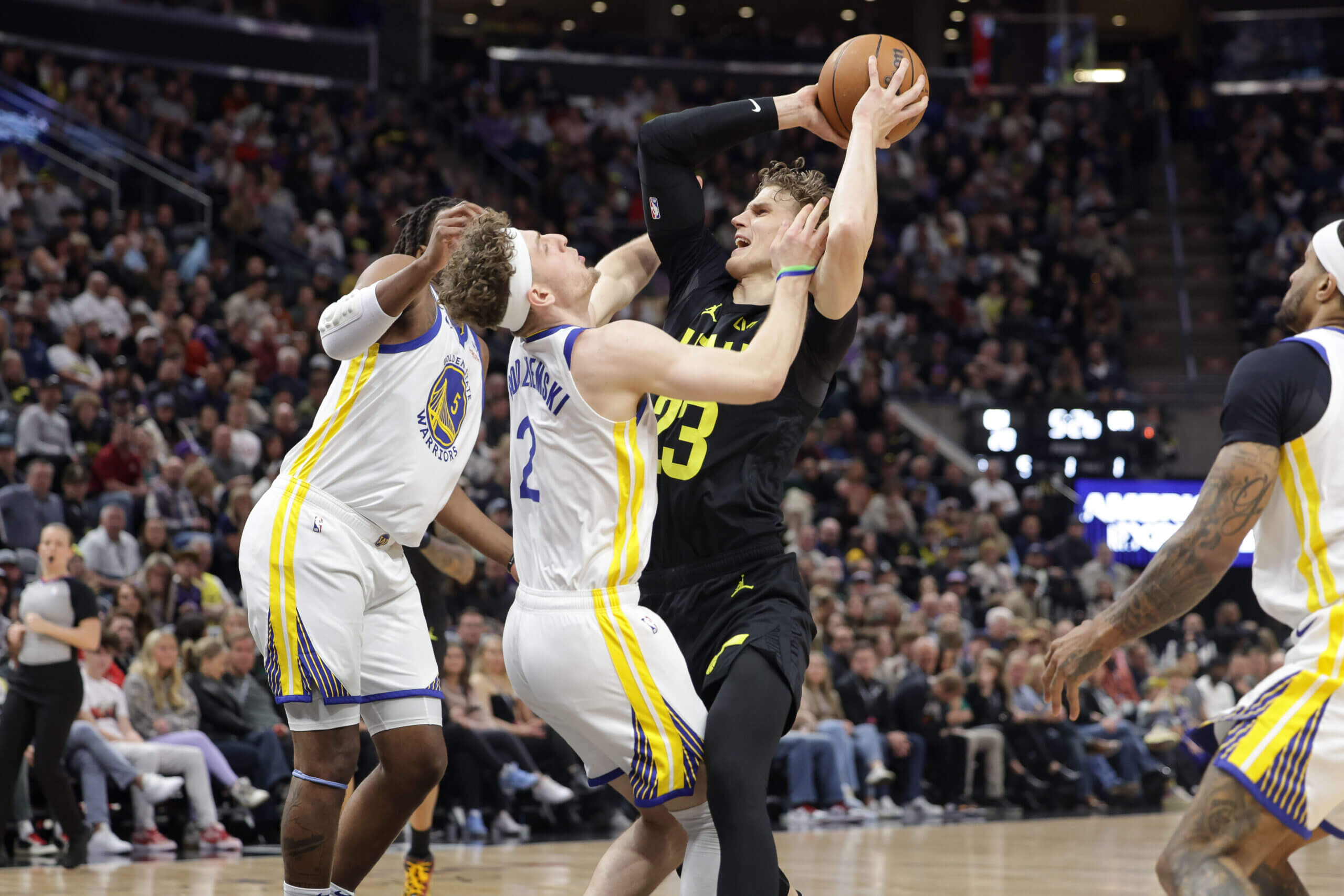
A Flagrant 1 foul involves excessive or severe contact during a play. This includes but is not limited to:
- Excessive elbow contact above shoulder level
- Hard contact with an opponent’s head
- Forcefully pushing an airborne player
- Unnecessary contact that could cause injury
While a Flagrant 1 doesn’t require intent to injure, it does involve contact that goes beyond what’s considered normal in basketball play. The contact is deemed unnecessary or excessive by officials.
Flagrant 2 Foul
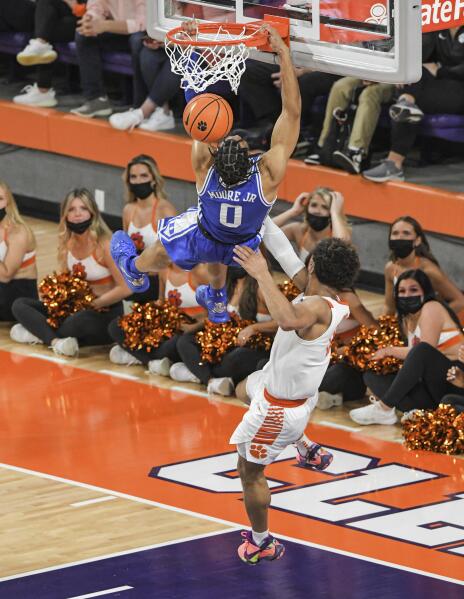
A Flagrant 2 foul is more serious and involves:
- Extreme or excessive contact
- Contact that’s clearly unnecessary and excessive
- Actions showing clear intent to injure another player
- Violent contact that puts players at serious risk
Examples include punching, kicking, head-butting, or excessively shoving an opponent. These actions show clear disregard for player safety and violate the spirit of fair competition.
How College Basketball Handles Flagrant Fouls Differently
College basketball’s approach to flagrant fouls differs significantly from both high school and professional levels. These differences reflect the unique position of college athletics in balancing player development, safety concerns, and the integrity of competition.
NCAA vs. NBA Flagrant Foul Rules
The NCAA and NBA have different terminology and consequences for severe fouls:
| NCAA | NBA | Key Difference |
|---|---|---|
| Flagrant 1 | Flagrant 1 | Similar definitions, but college officials often call these more strictly |
| Flagrant 2 | Flagrant 2 | NBA allows more physical play before calling a Flagrant 2 |
| No clear “common foul” distinction | Clear distinction between common and flagrant fouls | NCAA officials have more discretion |
| Video review mandatory | Video review at officials’ discretion | College games pause more frequently for reviews |
College basketball officials typically err on the side of caution when it comes to player safety, especially with head contact. This stricter interpretation creates a different playing environment than the professional game.

The Video Review Process
One major difference in college basketball is the mandatory video review for all potential flagrant fouls. When officials suspect a potential flagrant foul:
- Play is stopped
- Officials gather at the monitor
- The play is reviewed from multiple angles
- Officials determine if the contact meets flagrant criteria
- If confirmed, they decide between Flagrant 1 or Flagrant 2
This thorough review process helps ensure accurate calls but can disrupt game flow and momentum. It’s not uncommon for these reviews to take several minutes, especially in high-stakes tournament games.
How Flagrant Fouls Can Cost Your Team the Game
Beyond the immediate penalty, flagrant fouls can have cascading consequences that dramatically impact a game’s outcome. Understanding these ripple effects is essential for appreciating why avoiding these infractions is so crucial.
Immediate Penalties and Point Swings
The direct consequences of flagrant fouls are severe:
- Flagrant 1: Two free throws plus possession
- Flagrant 2: Two free throws, possession, and automatic ejection of the offending player
This creates what coaches call a “four-point swing” opportunity where the opponent can score from free throws and then again on the ensuing possession. In close games, these four-point swings can be devastating.
Psychological Impact and Momentum Shifts
The psychological effects of flagrant fouls extend beyond the scoreboard:
- Teams receiving a flagrant foul often get an emotional boost
- The offending team may become hesitant or less aggressive defensively
- Crowd energy typically shifts dramatically against the offending team
- Players may lose focus while processing the emotional impact
Basketball coaches often talk about mental toughness and momentum, and few events shift momentum more dramatically than a flagrant foul call. The combination of points, possession, and emotional energy creates a perfect storm that can completely reverse a game’s trajectory.
Tournament Implications
In college basketball tournament play, flagrant fouls carry additional weight:
- Player suspensions can carry over to subsequent games
- Teams must adjust rotations and strategy with key players unavailable
- The NCAA Tournament Committee reviews incidents when considering seeding
A single flagrant foul in a conference tournament could potentially affect a team’s NCAA Tournament seeding or even their inclusion in the field of 68.
Real-World Examples: When Flagrant Fouls Changed Everything
Several high-profile college basketball games have hinged on flagrant foul calls:
2019 Elite Eight: Auburn vs. Kentucky
With Auburn leading by 2 points with 7 seconds remaining, a controversial flagrant 1 foul was called on Auburn’s Jared Harper. Kentucky made both free throws, tying the game and nearly changing the outcome. Auburn ultimately won in overtime, but the call demonstrated how flagrant fouls can alter championship paths.
2017 North Carolina vs. Gonzaga National Championship
A series of physical plays and flagrant foul reviews disrupted the flow of this title game. North Carolina capitalized on the additional possessions gained from flagrant calls, helping them secure their sixth national championship.
2022 Big Ten Tournament: Michigan vs. Wisconsin
Michigan’s head coach was ejected after receiving two technical fouls while arguing a flagrant foul call. The resulting free throws and possession created a 6-point swing in a close game, effectively ending Michigan’s tournament run.
These examples illustrate that flagrant fouls don’t just affect single possessions—they can alter entire seasons and coaching legacies.
How to Avoid Committing Flagrant Fouls
Players can significantly reduce their risk of committing flagrant fouls by focusing on proper technique and mental discipline.
Proper Defensive Positioning and Technique
Most flagrant fouls result from poor positioning or technique:
- Maintain proper defensive stance with bent knees and active feet
- Keep your hands visible, not grabbing or pushing
- When contesting shots, jump vertically without leaning into the shooter
- Avoid “helping” with elbows or forearms when setting screens
Basketball fundamentals include learning to defend effectively without unnecessary contact. Players who master proper defensive footwork rarely find themselves in positions where they might commit flagrant fouls.
Mental Focus and Emotional Control
Many flagrant fouls occur when players lose emotional control:
- Recognize when your emotions are escalating
- Develop personal calming techniques (deep breaths, positive self-talk)
- Focus on the next play rather than dwelling on perceived injustices
- Understand situation and game context to avoid unnecessary risks
Coaches should practice scenarios where players must maintain composure under pressure. This mental training is just as important as physical skill development.
Communication and Team Awareness
Team defense requires communication to avoid desperate situations:
- Call out screens to help teammates avoid surprise contact
- Communicate defensive switches clearly to prevent multiple defenders colliding with an offensive player
- Alert teammates when they’re in vulnerable positions
Better communication leads to better positioning, which naturally reduces the likelihood of dangerous contact.

College Basketball’s Evolving Approach to Player Safety
The NCAA continues to evaluate and adjust its approach to flagrant fouls as part of a broader commitment to player safety and game integrity.
Recent Rule Changes and Interpretations
In recent years, the NCAA has:
- Enhanced video review protocols for potential flagrant fouls
- Placed greater emphasis on protecting airborne players
- Increased penalties for contact to the head and neck area
- Provided more detailed guidance to officials for distinguishing between flagrant 1 and flagrant 2 fouls
These changes reflect broader concerns about player safety across all sports, particularly regarding potential head injuries.
Impact on Coaching and Player Development
Modern college basketball coaches must adapt their teaching methods:
- More practice time dedicated to proper defensive technique
- Emphasis on “playing without hands” defensive approaches
- Video review sessions that highlight proper vs. improper contact
- Situational practice that simulates emotional game environments
Players who cannot adapt to these stricter interpretations often see their playing time decrease, regardless of other skills they bring to the team.
Frequently Asked Questions About Flagrant Fouls in College Basketball
Q: Can a flagrant foul be called after the game upon video review?
A: No, flagrant fouls must be called during the game. However, conferences may review incidents afterward and issue suspensions for subsequent games if warranted.
Q: Do flagrant fouls count toward the five personal fouls for disqualification?
A: Yes, flagrant fouls count as personal fouls. A Flagrant 1 counts as one personal foul, while a Flagrant 2 results in immediate ejection regardless of foul count.
Q: Can coaches challenge flagrant foul calls?
A: The NCAA does not currently have a formal coach’s challenge system for flagrant fouls. All potential flagrant fouls are reviewed by officials on their own initiative.
Q: How do flagrant fouls affect team foul counts and the bonus situation?
A: Flagrant fouls count toward team fouls and can put the opposing team into the bonus situation, potentially creating additional free throw opportunities beyond the two awarded for the flagrant foul itself.
Conclusion: Respecting the Game While Playing Hard
College basketball thrives on intensity and competitive spirit, but player safety must remain paramount. Understanding flagrant fouls—how they’re called, their consequences, and how to avoid them—is essential for everyone involved in the game.
Smart players know that playing hard doesn’t mean playing dangerously. By focusing on fundamental basketball IQ, defensive techniques, maintaining emotional control, and respecting opponent safety, players can compete at the highest level without crossing the line into flagrant territory.
Remember that a single moment of poor judgment can not only hurt an opponent but also devastate your team’s chances of victory. In the highly competitive world of college basketball, those margins often determine championships.
Make sure to check out basketballfundamentals.com for more information on proper defensive techniques and strategies! Our free video tutorials provide detailed instruction on maintaining aggressive defense while avoiding dangerous play that could result in flagrant fouls and cost your team crucial games.