
Beat the Clock: How the 30-Second Shot Clock Transformed College Basketball Strategy
For fans and players alike, the shot clock is more than just a countdown—it’s a game-changer that has revolutionized college basketball strategy. When the NCAA shortened the men’s shot clock from 35 to 30 seconds in 2015 (matching the women’s game), it sparked a fundamental shift in how teams approach every possession. Whether you’re a hardcore hoops enthusiast or a casual fan, understanding these strategic adjustments can deepen your appreciation for the college game.
What Is the Shot Clock and Why Does It Matter?
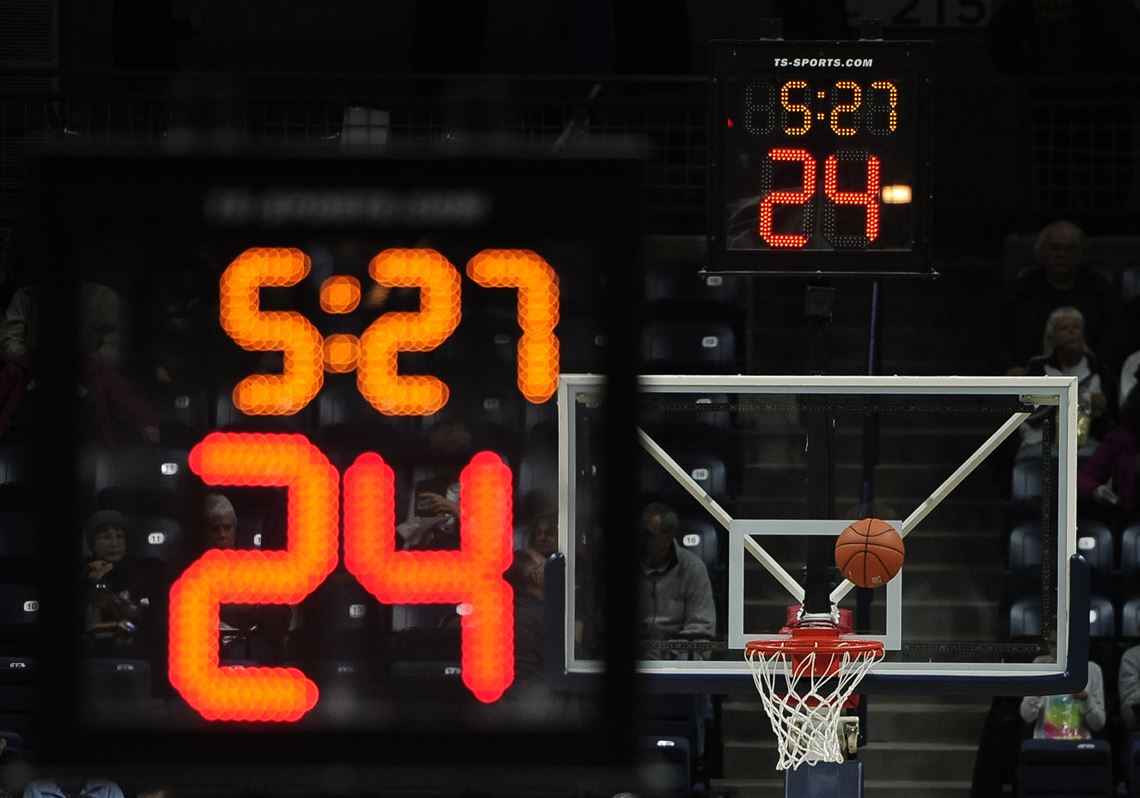
The shot clock in basketball serves a simple but crucial purpose: it forces teams to attempt a shot within a specified time frame. If the offensive team fails to hit the rim or score before the clock expires, they forfeit possession to the defensive team—a shot clock violation that can be costly in close games.
College basketball’s 30-second shot clock creates a faster-paced game compared to the old 35-second format, but still allows for more strategic development than the NBA’s 24-second clock. This sweet spot makes college hoops uniquely exciting, balancing quick decision-making with tactical play development. For players learning how to improve your basketball IQ, understanding shot clock management is essential.

Key Strategic Changes Under the 30-Second Shot Clock
Accelerated Offensive Sets
With five fewer seconds per possession, coaches have had to streamline their offensive playbooks. Gone are the days of methodically working through multiple options before finding the perfect shot. Today’s college teams must:
- Install quick-hitting offensive sets that can generate quality shots in 12-15 seconds
- Train players to make faster reads and decisions with the ball
- Develop simplified versions of complex plays for late-clock situations
“The 30-second clock forces us to be more efficient,” explains veteran college coach Mike Anderson. “We spend more practice time on quick decision-making drills and emphasize getting into our offensive sets faster.”
The Rise of Early Offense
Perhaps the most noticeable trend since the shot clock reduction has been the emphasis on early offense—scoring opportunities generated in the first 8-10 seconds of a possession, often before the defense is fully set.
Teams now prioritize:
- Quick outlets after defensive rebounds
- Guards who can push the pace in transition
- Wing players who can fill lanes and finish at the rim
- Trailer options for quick three-point opportunities
Statistical analysis shows that shots taken within the first 10 seconds of the shot clock typically have a higher expected point value than those taken later in the possession, making early offense not just faster, but often more efficient.
Ball Screen Efficiency
With less time to run complex motion offenses, the ball screen (pick-and-roll) has become even more central to college basketball strategy. The 30-second shot clock has made mastering this fundamental play essential because:
- Ball screens can create advantages quickly
- They require minimal time to execute effectively
- They can be run multiple times within a single possession if needed
Top college programs now devote significant practice time to various ball screen actions, teaching guards multiple read options and developing chemistry with their screening big men. To master this crucial skill, check out our guide on how to pick and roll like a pro.
Defensive Adaptations
The shot clock doesn’t just change offensive strategy—it transforms defensive approaches too. With offenses operating at higher speeds, defensive coordinators have adjusted by:
- Implementing more aggressive ball pressure to disrupt offensive flow
- Developing “late clock” defensive packages for the final 10 seconds of possessions
- Training defenders to recognize and disrupt specific quick-hitting actions
- Utilizing more switching defenses to counter ball screens and maintain defensive integrity
“The shorter clock actually gives smart defensive teams an advantage,” notes defensive specialist Tony Bennett. “If you can force the offense to burn 20 seconds without getting a good look, they’re often rushed into a poor shot.” Learning how to play defense effectively has become even more valuable in the 30-second shot clock era.
Shot Clock Management: The Hidden Skill
Shot clock management has become a critical skill for point guards and coaches alike. Understanding when to push pace versus when to manage the clock can be the difference between victory and defeat in close contests.
End-of-Half Strategy
The 30-second shot clock has dramatically altered end-of-half strategy. Teams now aim to ensure they get the last possession by:
- Working the differential between game clock and shot clock
- Training guards to recognize “two-for-one” opportunities (getting two possessions while the opponent gets one)
- Developing specific “quick shot” plays for two-for-one situations
Point guards who master this aspect of shot clock management can create valuable extra possessions for their teams in critical game situations. This type of basketball IQ and game reading separates elite players from average ones.
Late-Game Tactics
In close games, the 30-second shot clock has intensified the chess match between coaches. When leading, teams must balance:
- Taking time off the clock versus maintaining offensive aggressiveness
- Knowing exactly when to initiate offensive actions to minimize time for opponent responses
- Developing “late clock” scoring options that can be executed reliably under pressure
“The 30-second clock means you can’t just sit on a lead,” explains ESPN analyst Jay Bilas. “You still need to run efficient offense and get quality shots, even when you’re trying to burn clock.” Learning to perform under pressure is critical in shot clock situations.
Player Development Impact
The shorter shot clock has also changed how players are developed at the college level. Players now need:
- Quicker decision-making abilities
- Better time awareness during possessions
- More reliable skills under pressure situations
- Improved conditioning to maintain efficiency at faster paces
Guards in particular must develop an intuitive sense of the shot clock, knowing exactly how much time remains without looking at the display—a skill that requires countless repetitions in practice scenarios. Dedicated basketball training drills can help players develop this clock awareness.
Common Mistakes Teams Make With the 30-Second Clock
Even top programs struggle with these common shot clock management errors:
- Starting offensive sets too late, leaving insufficient time for secondary options
- Poor spacing that leads to stagnant offense and forced shots at the end of the clock
- Failure to identify mismatches quickly enough to exploit them
- Over-dribbling that wastes valuable seconds without advancing offensive position
- Inadequate communication about remaining time between coaches and players
Successful teams minimize these mistakes through dedicated practice time focused specifically on shot clock scenarios. Improving your dribbling skills and understanding spacing can help reduce these common errors.
Drills to Improve Shot Clock Efficiency
Coaches have developed specialized drills to help players adapt to the 30-second shot clock:
- Timed situational scrimmages (e.g., must score within 15 seconds)
- “Beat the clock” shooting drills with progressive time constraints
- Fast-paced 3-on-3 scenarios with shortened shot clocks
- End-of-game simulations with specific clock management goals
- “Multiple action” drills requiring players to move through progressions quickly
These drills help players develop both the skills and mindset necessary to thrive under the pressure of the 30-second clock. They can be incorporated into your pregame warm-up routine to reinforce shot clock awareness.
How Different Programs Adapt to the 30-Second Clock
Not all programs approach the 30-second shot clock the same way. Three distinct philosophies have emerged:
The Speed Demons: Programs like Gonzaga and Alabama embrace the shorter clock by playing at breakneck pace, often shooting within the first 15 seconds of possessions. Their practices emphasize conditioning and quick decision-making to wear opponents down.
The Controlled Efficiency Teams: Programs like Villanova and Purdue use about 20-25 seconds per possession on average, executing precise offensive sets while still maintaining shot quality. They practice executing multiple actions within single possessions.
The Clock-Draining Strategists: Teams like Virginia and Wisconsin still work to use most of the shot clock, believing that limiting total possessions benefits their style. However, even these teams have had to adapt by entering their offensive sets more quickly than in the 35-second era.
Each approach can be successful when properly executed and matched to team personnel. Understanding these different styles can help you read defenses and make smarter plays.
The Statistical Impact of the 30-Second Clock
Since the implementation of the 30-second shot clock in men’s college basketball, several measurable changes have occurred:
- Scoring has increased by approximately 5-7 points per game
- Pace of play (measured in possessions per 40 minutes) has increased by about 4-5 possessions
- Three-point attempt rates have climbed as teams seek efficient shots more quickly
- Assist percentages have risen as quick ball movement becomes more valuable
- Transition opportunities have increased by roughly 12%
These numbers demonstrate that the rule change has achieved its intended effect of creating a more dynamic, higher-scoring brand of basketball that resonates with fans. For players looking to adapt, improving your passing skills and shooting from different angles is increasingly important.
Conclusion: Mastering the Clock Masters the Game
The 30-second shot clock has transformed college basketball into a faster, more exciting game that rewards skill, preparation, and quick thinking. Teams that master shot clock strategy gain a significant competitive advantage, while players who develop clock awareness become more valuable at both college and professional levels.
As basketball continues to evolve, shot clock management will remain a crucial aspect of the sport, separating good teams from great ones in critical moments. Understanding these strategic nuances adds another layer of appreciation for fans watching the game.
Frequently Asked Questions
Q: Why did college basketball reduce the shot clock from 35 to 30 seconds?
A: The change was implemented to increase scoring, speed up game pace, and improve the overall entertainment value of college basketball, which had seen declining scoring averages.
Q: Do women’s and men’s college basketball use the same shot clock?
A: Yes, both the men’s and women’s college games now use a 30-second shot clock, creating consistency across college basketball.
Q: How does the college shot clock differ from the NBA?
A: The NBA uses a 24-second shot clock, which creates an even faster pace than college basketball’s 30-second clock, requiring more immediate offensive execution.
Q: Does the shot clock reset to 30 seconds after an offensive rebound?
A: No, since 2015-16, the shot clock resets to only 20 seconds after an offensive rebound, further increasing game pace and possession count.
Q: Which teams have been most successful adapting to the 30-second shot clock?
A: Programs with strong guard play and efficient offensive systems like Gonzaga, Villanova, and Baylor have thrived under the 30-second shot clock era. For youth players, learning essential basketball terms is the first step toward understanding these advanced concepts.
Make sure to check out basketballfundamentals.com for more information! Our free video tutorial on shot clock management strategies can help you understand these concepts even better. Visit our site for all your basic basketball fundamentals and take your basketball knowledge to the next level!