
The State-by-State Basketball Shot Clock Guide: Rules That Change the Game
As a parent, coach, or high school player, understanding the varying shot clock regulations across states isn’t just interesting trivia—it fundamentally shapes how the game is played, coached, and experienced at the high school level. It’s one of those basketball rules every player needs to know, especially if you compete across state lines.
What Is a Shot Clock and Why Does It Matter?
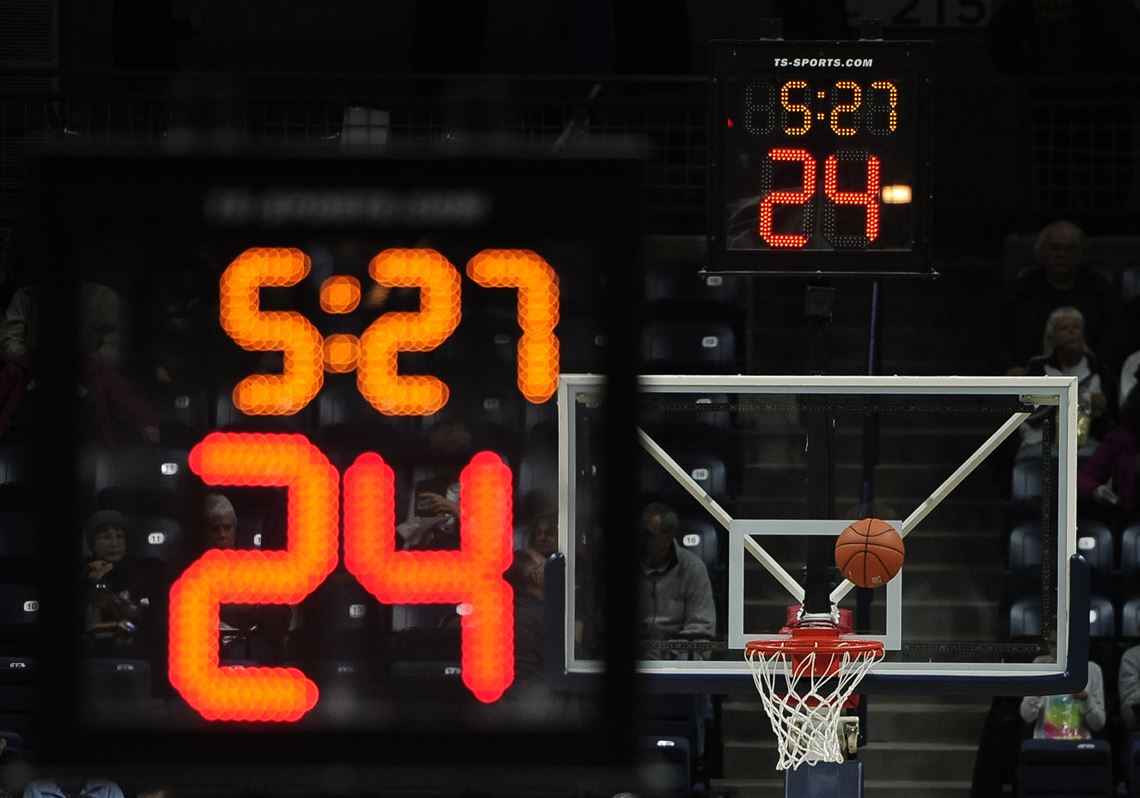
A shot clock in basketball is a countdown timer that limits the time a team has to attempt a field goal. Once a team gains possession of the ball, they must shoot before the shot clock expires, or they’ll lose possession.
But here’s the kicker: high school basketball shot clock rules vary dramatically from state to state, creating essentially different versions of the same sport depending on where you live. This variation significantly impacts basketball IQ development and strategic thinking.
The Current Shot Clock Landscape in High School Basketball
The National Federation of State High School Associations (NFHS) previously didn’t mandate a shot clock for high school basketball nationwide. However, in May 2021, they made a pivotal rule change: starting in the 2022-23 season, states could adopt a 35-second shot clock without being in violation of NFHS rules.
This shift has created three distinct categories of states:
- States with established shot clocks: These pioneering states implemented shot clocks even before the NFHS rule change
- States that adopted shot clocks after the 2021 NFHS decision
- States without shot clocks: These states maintain traditional timing rules
Let’s break down which states fall into each category and what rules they follow. Understanding these differences is crucial for teams that want to develop winning basketball practice strategies.
States With Established Shot Clock Rules
Several states were ahead of the curve, implementing shot clocks before the NFHS gave its blessing:
- California: 30-second shot clock (uses a shorter clock than the NFHS recommendation)
- Massachusetts: 30-second shot clock
- New York: 35-second shot clock
- Rhode Island: 35-second shot clock
- Washington: 35-second shot clock
- North Dakota: 35-second shot clock
- South Dakota: 35-second shot clock
- Maryland: 35-second shot clock
States That Recently Adopted Shot Clocks
Following the 2021 NFHS rule change, these states implemented or announced plans to add shot clocks:
- Georgia: 30-second shot clock (phased implementation starting with larger schools)
- Iowa: 35-second shot clock (implemented for 2022-23 season)
- Minnesota: 35-second shot clock (implemented for 2023-24 season)
- Montana: 35-second shot clock
- Oregon: 35-second shot clock (implemented for 2023-24 season)
- Wisconsin: 35-second shot clock
- Michigan: 35-second shot clock (implementation in progress)
- Connecticut: 35-second shot clock (announced for upcoming seasons)

States Without Shot Clocks (as of 2023-24 season)
The majority of states still play without shot clocks, including traditional basketball powerhouses such as Indiana, Kentucky, and Texas. This creates a fascinating dynamic where coaching strategies must adapt to very different game environments.
Why Do Shot Clock Rules Differ Between States?
Several factors influence whether a state adopts shot clocks:
1. Cost and Implementation Challenges
Installing shot clocks costs approximately $2,000-$5,000 per gymnasium. Schools must also:
- Train personnel to operate the clocks
- Hire additional officials
- Modify facilities
- Purchase maintenance packages
For many districts with limited athletics budgets, these expenses present significant barriers, especially in rural areas with smaller schools.
2. Basketball Philosophy and Tradition
Some states, particularly those with strong basketball traditions like Indiana, view the absence of a shot clock as part of their basketball identity. This allows for:
- More strategic game management
- Ability for underdogs to control pace
- Preservation of traditional coaching tactics
This aspect of game management is especially important for youth basketball coaches who are developing young players’ understanding of timing and pace.
3. Competitive Balance Considerations
States without shot clocks often argue that the absence helps level the playing field between:
- Teams with varying talent levels
- Schools of different sizes
- Programs with different resources
How Shot Clock Differences Impact the Game
These regional variations create substantial differences in how basketball is played:
Game Pace and Scoring
With shot clock:
- Faster gameplay
- Higher scoring games
- More possessions per game
- Typically 60-80+ possessions per team
Without shot clock:
- Potential for slower, deliberate gameplay
- Strategic “stall ball” tactics
- Possibly lower scoring games
- Sometimes fewer than 50 possessions per team
These differences significantly impact how teams approach playing offense fast versus controlling tempo.

Player Development
The presence or absence of a shot clock shapes player skill development:
With shot clock:
- Players develop quicker decision-making
- Guards learn to create shots under time pressure
- Teams practice efficient offensive execution
- More closely mirrors college basketball rules
Without shot clock:
- Players master ball control and patience
- Teams develop disciplined offensive systems
- Greater emphasis on defensive positioning
- Different strategic awareness
Young players focused on improving their basketball game need to understand how these different environments affect skill development.
College Readiness
Since NCAA basketball uses a 30-second shot clock, high school players from states without shot clocks face an adjustment when transitioning to college play. This raises questions about college preparedness and potential disadvantages for these players, especially when it comes to getting noticed by college coaches.
The Future of High School Shot Clock Rules
The trend is clearly moving toward universal shot clock adoption. As more states implement shot clocks, pressure increases on holdout states to conform. College coaches increasingly favor standardized rules that prepare players for the next level.
However, challenges remain:
- Funding gaps between wealthy and under-resourced districts
- Coaching adaptation to new timing strategies
- Official training to consistently enforce shot clock violations
- Facility upgrades needed in older gymnasiums
For coaches, this evolution requires staying current with basketball terminology and rules changes.
What Parents and Players Should Know
If you’re involved in high school basketball, here’s what you should consider:
- Know your state’s rules: Familiarize yourself with local regulations that affect gameplay
- Understand strategy differences: Teams must adapt their approach based on timing rules
- Consider college implications: Players with college aspirations should practice with shot clock awareness, even if their state doesn’t use one
- Track potential changes: Stay informed about your state athletic association’s discussions on shot clock implementation
This knowledge is particularly important for players working on building mental toughness and adaptability.
FAQ About High School Basketball Shot Clocks
Q: Do shot clocks make games more exciting?
A: Many fans and coaches believe shot clocks create more dynamic, faster-paced games with higher scoring. However, some basketball purists appreciate the strategic elements of games without shot clocks. Either way, players need strong ball handling skills to succeed in both environments.
Q: When does the shot clock reset in high school basketball?
A: In states using shot clocks, they typically reset to full time after a shot hits the rim, when possession changes, or when certain fouls occur. Specific reset rules may vary by state, so it’s important to understand the basketball foul rules and how they interact with the shot clock.
Q: Will all states eventually adopt shot clocks?
A: The trend suggests yes. With the NFHS now permitting shot clocks and more states adopting them each year, complete nationwide implementation seems likely within the next decade.
Q: How do shot clocks affect coaching strategy?
A: Coaches must develop both fast-break and half-court offenses that can generate quality shots within the time limit. Defensively, teams might employ more pressure to force opponents to use more clock before setting up their offense. Understanding defensive fundamentals becomes even more critical in shot clock environments.
Conclusion: Adapting to Change
Whether you’re playing with or without a shot clock, the fundamentals of basketball excellence remain the same. Focus on developing solid basketball fundamentals, understanding game situations, and improving your physical capabilities.
For coaches, the varying shot clock rules present an opportunity to teach adaptability and different strategic approaches—skills that will benefit players throughout their basketball careers.
Ready to master basketball fundamentals regardless of your state’s shot clock rules? Visit basketballfundamentals.com for free video tutorials on shooting techniques, defensive positioning, and game strategy tailored to different regulatory environments. Our comprehensive guides will help you excel in any version of the game!
 Cole Williams