
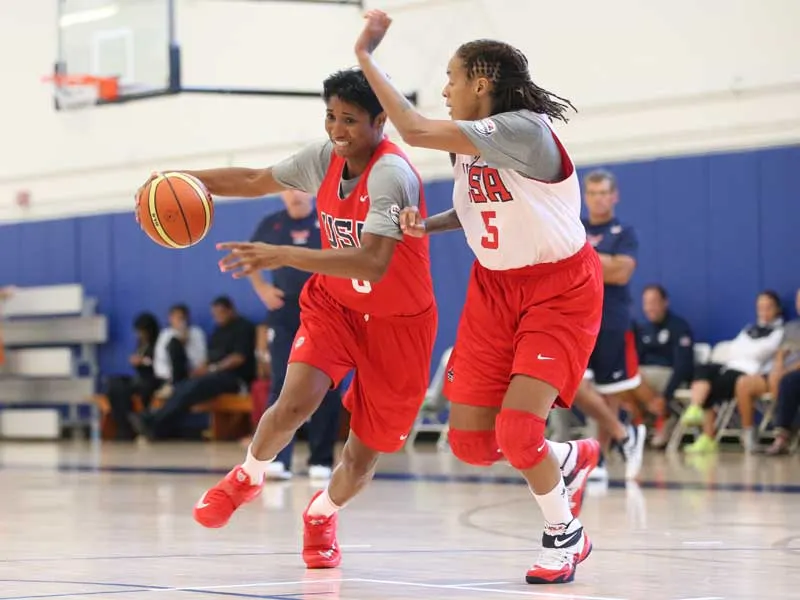
10 Common High School Basketball Rules Players Break Without Knowing (And How to Fix Them)
Introduction
High school basketball operates under specific regulations that differ slightly from college or NBA rules. What’s particularly frustrating for young athletes is getting penalized for breaking rules they didn’t fully understand. This comprehensive guide breaks down the most frequently violated high school basketball regulations and provides practical solutions to avoid these common mistakes.
As coaches often say, “You can’t fix what you don’t know is broken.” Let’s solve that problem right now and improve your basketball IQ by understanding these essential rules.

Key Terms to Know
Before diving into specific violations, let’s clarify some essential basketball terminology:
- Lane Violation: Infractions occurring in the painted area near the basket
- Traveling: Moving with the ball without dribbling properly
- Double Dribble: Dribbling with both hands simultaneously or dribbling after stopping with the ball
- Backcourt Violation: Returning the ball to the backcourt after it has been established in the frontcourt
- Shot Clock: The time limit teams have to attempt a shot (varies by level)
The Top 10 High School Basketball Rules Most Players Break
1. Three-Second Lane Violations
The Rule: Offensive players cannot remain in the painted area (the lane) for more than three consecutive seconds when their team has possession in the frontcourt.
Why Players Break It: Many young players get so focused on positioning for rebounds or post plays that they lose track of time in the lane.
How to Fix It:
- Develop a mental count while in the lane
- Practice stepping out of the lane with one foot and re-establishing position
- Create lane awareness drills during practice
- Have coaches count out loud during scrimmages
According to our research, three-second violations account for approximately 15% of all high school basketball infractions. Developing this awareness early creates good habits that transfer to higher levels of play.
2. Traveling on the Catch
The Rule: Players must establish a pivot foot when receiving a pass before moving. Taking steps before dribbling results in a traveling violation.
Why Players Break It: Anticipation to make a move often causes players to step before putting the ball on the floor.
How to Fix It:
- Practice the “catch, square, go” technique
- Work on footwork drills emphasizing pivot foot establishment
- Use the “jump stop” technique when receiving passes in motion
- Practice catching and immediately getting into triple-threat position
High school basketball referees cite improper footwork as the number one cause of traveling violations. Mastering proper footwork fundamentals dramatically reduces these calls.

3. Improper Screens and Illegal Picks
The Rule: When setting a screen, players must be stationary with feet set, maintain a natural stance, and avoid leaning or extending limbs to create contact.
Why Players Break It: Young players often set screens while still moving or lean into defenders to create contact.
How to Fix It:
- Practice proper screen technique with feet shoulder-width apart
- Focus on positioning rather than contact
- Have coaches evaluate screen technique during practice
- Use video review to identify improper screening tendencies
Proper screening fundamentals not only prevent violations but also create better scoring opportunities for teammates. To truly master this skill, check out our guide on perfecting pick and roll technique.
4. Over-and-Back (Backcourt) Violations
The Rule: Once the ball has been established in the frontcourt, it cannot return to the backcourt while still in possession of the offensive team.
Why Players Break It: Pressure from defenders often forces players to step over the midcourt line while still holding or dribbling the ball.
How to Fix It:
- Improve court awareness through practice drills
- Work on defensive pressure situation handling
- Practice proper pivot techniques near the midcourt line
- Develop stronger passing skills for tight situations
Court awareness drills have been shown to reduce backcourt violations by up to 40% when regularly incorporated into practice sessions.
5. Five-Second Closely Guarded Violations
The Rule: When a player with the ball is closely guarded (within 6 feet) in the frontcourt, they have five seconds to pass, shoot, or dribble.
Why Players Break It: Many players don’t recognize when they’re being closely guarded according to the rule definition.
How to Fix It:
- Practice recognizing defensive pressure scenarios
- Work on decisive decision-making with the ball
- Implement timing drills during practice
- Improve ball-handling skills to create space from defenders
Decision-making drills under pressure significantly reduce five-second violations while improving overall offensive efficiency.
6. Free Throw Lane Violations
The Rule: Players cannot enter the lane until the ball leaves the shooter’s hand during free throws.
Why Players Break It: Anticipation for rebounds often causes players to step into the lane too early.
How to Fix It:
- Practice free throw discipline during every practice
- Use visual cues to time lane entry properly
- Have coaches enforce proper timing during practice free throws
- Create consequences for early lane violations during practice
Free throw rebounding position can be improved without sacrificing lane violation discipline through proper technique and timing. Developing a consistent free throw routine under pressure can help players maintain focus during these critical moments.
7. Carrying/Palming the Ball While Dribbling
The Rule: The dribbling hand cannot come under the basketball, causing the ball to momentarily rest in the hand.
Why Players Break It: Modern dribbling styles and crossover moves often lead to technical carrying violations.
How to Fix It:
- Practice proper hand position on the ball during dribbling drills
- Use mirror drills to observe hand technique
- Focus on dribbling with fingertips rather than palms
- Have coaches specifically watch for and correct carrying issues
Proper dribbling technique not only prevents violations but also improves ball control and reduces turnovers. For more advanced skills, check out our guide on elite ball handling techniques.
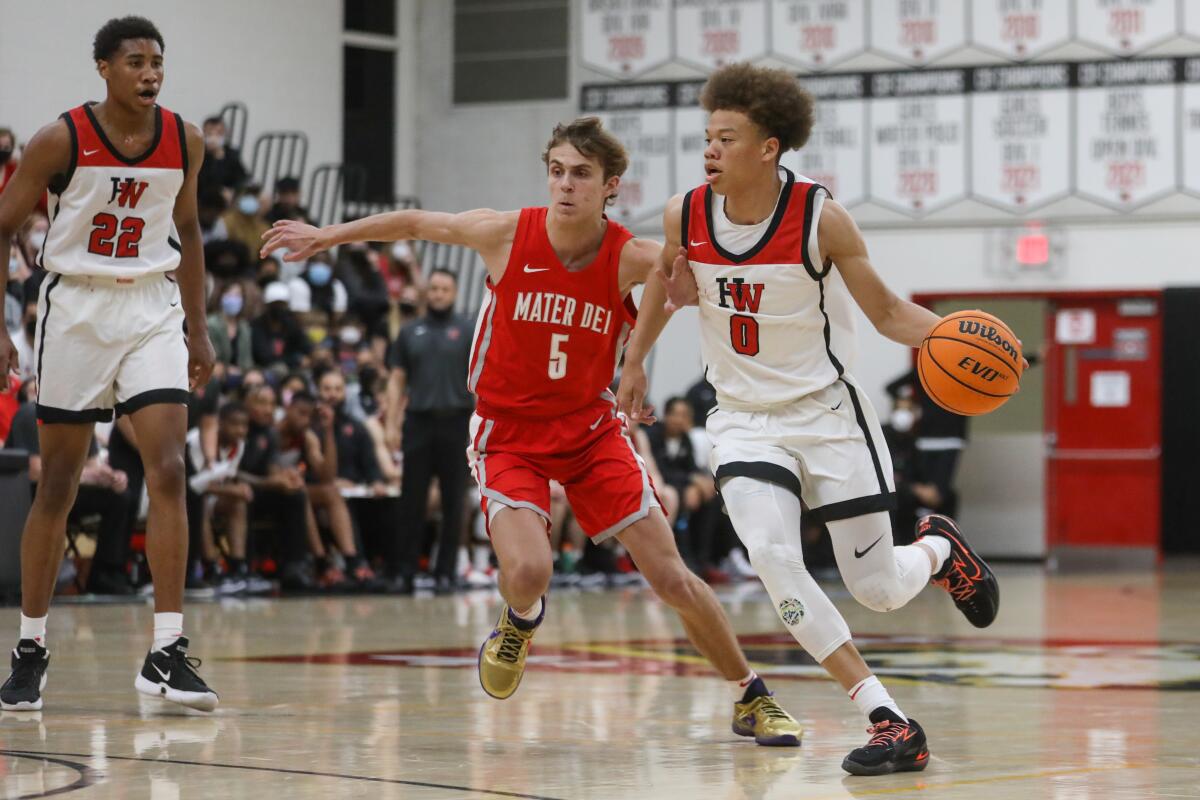
8. Ten-Second Backcourt Violations
The Rule: Teams have 10 seconds to advance the ball from the backcourt to the frontcourt.
Why Players Break It: Aggressive defensive pressure or lack of urgency can lead to exceeding the time limit.
How to Fix It:
- Practice breaking pressure defenses with efficient passing
- Develop secondary press-break options
- Improve ball-handling skills under pressure
- Create time-awareness during practice with countdowns
Teams that regularly practice against full-court pressure show 60% fewer ten-second violations during games. Learning strategies to dribble through defensive pressure is essential for avoiding these violations.
9. Illegal Screens Away From the Ball
The Rule: All screening rules apply to off-ball situations, with particular emphasis on being set before contact.
Why Players Break It: Players often pay less attention to screening technique when away from the ball.
How to Fix It:
- Practice off-ball movement and screening specifically
- Review film to identify illegal screen tendencies
- Emphasize proper technique regardless of court position
- Create drills focused on off-ball screening fundamentals
Proper off-ball screening not only prevents violations but also creates better spacing and scoring opportunities. Understanding basketball spacing fundamentals can significantly improve your team’s offensive flow.
10. Shot Clock Violations (where applicable)
The Rule: In states that use a shot clock (typically 30-35 seconds), teams must attempt a shot that hits the rim before the clock expires.
Why Players Break It: Poor time awareness or inability to create quality shots under pressure.
How to Fix It:
- Practice end-of-clock situations regularly
- Develop specific “clock-running-down” plays
- Improve time awareness for all players
- Designate players responsible for shot clock monitoring
Teams that incorporate shot clock scenarios into every practice show significantly better time management during actual games. Improving your basketball IQ for close game situations will help your team avoid costly shot clock violations.
Conclusion
Understanding and avoiding these common rule violations can significantly improve your game performance and help your team avoid unnecessary turnovers. Basketball fundamentals include not just physical skills but also a thorough knowledge of the rules.
Remember, great players don’t just play hard—they play smart. By mastering these rules, you’ll avoid frustrating violations and become a more complete basketball player. For more comprehensive basketball knowledge, check out our article on top basketball stats, facts, and rules every player should know.
FAQ About High School Basketball Rules
Q: Are high school basketball rules the same everywhere?
A: While most states follow NFHS (National Federation of State High School Associations) rules, there can be state-by-state variations, particularly regarding shot clocks and game timing. For more details on game timing differences, see our guide on basketball game length across different levels.
Q: How do high school rules differ from college basketball rules?
A: Key differences include game length (32 minutes vs. 40 minutes), shot clock requirements (varies by state vs. universal 30 seconds), and certain technical aspects like lane dimensions.
Q: How can I learn all the basketball rules quickly?
A: The best approach is combining rule book study with active practice. Focus on understanding one rule category at a time rather than trying to memorize everything at once. For a more comprehensive overview, check out our article on 25 basketball rules every young player must master.
Q: Why do referees seem to call certain violations more strictly than others?
A: Officiating emphasis often varies based on level of play, region, and even specific referee crews. Some violations are more visible or impact gameplay more significantly.
Q: How can I avoid frustration with rule violations during games?
A: Regular practice focusing specifically on rule adherence, combined with good communication with coaches about areas of confusion, can significantly reduce in-game frustration. Learning to build mental toughness will also help you handle these situations better.
Make sure to check out basketballfundamentals.com for more information on mastering the rules and skills of basketball! Our free video tutorials break down each of these common violations with clear examples and additional drills to help you avoid them. Take your game to the next level by understanding the fundamental rules that keep you on the court longer!
 Cole Williams