

Why the NCAA Three-Point Line Moved (And How It Affects Spacing)
The Evolution of the NCAA Three-Point Line
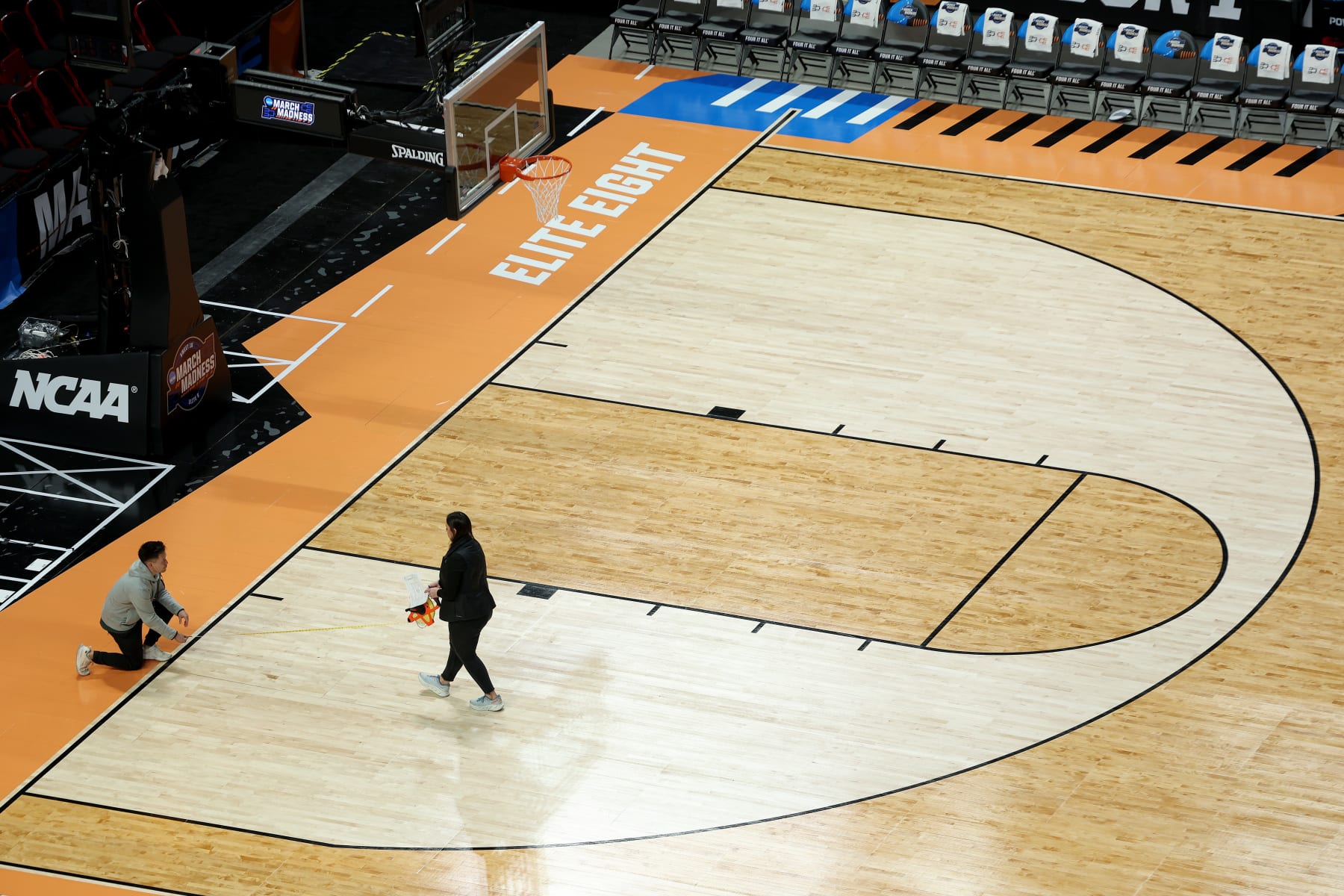
The NCAA introduced the three-point line in the 1986-87 season at a distance of 19 feet, 9 inches. For nearly two decades, this measurement remained unchanged while the game evolved around it. Then came a series of adjustments that would reshape college basketball strategy forever.
Key Three-Point Line Changes in NCAA Basketball
- 1986-87: Three-point line introduced at 19 feet, 9 inches
- 2008-09: First extension to 20 feet, 9 inches
- 2019-20: Second extension to 22 feet, 1¾ inches (matching the international distance)

Why Did the NCAA Move the Three-Point Line?
The NCAA Basketball Rules Committee didn’t make these changes on a whim. Several factors prompted the adjustments:
1. Creating Better Spacing on the Court
As college basketball evolved, the paint area became increasingly congested. Teams packed defenders inside, making interior scoring more difficult. The committee believed that extending the three-point arc would pull defenders away from the basket, creating more space for driving lanes and post play.
“The rules committee believes this will open up the game by increasing spacing on the court and possibly lead to more offensive movement.”
Understanding basketball court spacing is crucial for any player looking to improve their game. For a detailed breakdown of court dimensions and zones, check out our guide on understanding the basketball court.
2. Aligning with International Standards
The 2019-20 change moved the college three-point line to the international distance (22 feet, 1¾ inches). This standardization helps American college players transition more easily to international competition, including Olympic play.
3. Improving Shot Selection
With a closer three-point line, teams sometimes settled for long-range shots rather than working for better opportunities. By moving the line back, the NCAA aimed to encourage more thoughtful offensive execution and better shot selection. Players now need to develop a higher basketball IQ to know when to take these shots.
4. Testing Player Skill
A deeper three-point line tests players’ shooting abilities more thoroughly. It rewards true perimeter shooting specialists while discouraging less proficient shooters from attempting threes. This change emphasizes the importance of proper shooting form and technique.
How the Three-Point Line Change Affected College Basketball Spacing
The extended three-point line has dramatically transformed college basketball gameplay in several ways:
Immediate Statistical Impact
When the NCAA first moved the line back in 2008-09:
- Three-point shooting percentage dropped from 35.2% to 34.4%
- Teams attempted fewer three-pointers per game
- Overall scoring initially decreased slightly
Similar trends occurred after the 2019-20 adjustment, with teams needing time to adapt to the new distance.
Floor Spacing Benefits
1. More Driving Lanes
With defenders forced to guard shooters further from the basket, offensive players now find more open lanes to drive toward the hoop. This spacing creates better scoring opportunities at the rim and allows guards to utilize their dribbling skills more effectively.
2. Post Play Renaissance
The extended three-point line has given post players more room to operate. With defenders spread further from the basket, centers and forwards can work one-on-one in the post without immediate double teams.
3. Enhanced Ball Movement
Teams must move the ball more effectively to create quality three-point opportunities from the deeper distance. This has led to more sophisticated offensive systems with improved passing and cutting.
Defensive Adjustments
1. Extended Defensive Coverage
Defenders must now guard a larger area of the court, creating more physical demands. Teams have had to improve conditioning to maintain defensive intensity across this expanded space. Learning how to play defense effectively has become even more crucial.
2. Help Defense Challenges
With defenders positioned further from the paint, help defense becomes more challenging. Rotations must be quicker and more precise to prevent both three-point shots and drives to the basket.
3. Pick-and-Roll Defense
The extended three-point line has complicated pick-and-roll defense. Defenders must navigate more space when fighting through screens, often creating advantage situations for the offense. For teams looking to capitalize on this, our guide on pick-and-roll techniques can be invaluable.

Which Players Benefit Most from the Three-Point Line Change?
Elite Shooters
True sharpshooters have gained an advantage as the distance increase separates them from average shooters. Players with deep range can still convert consistently while others struggle with the adjustment. Want to improve your shooting range? Check out our 20 tips for improving your basketball shooting skills.
Athletic Slashers
Players who excel at driving to the basket benefit from the improved spacing. With defenders spread further apart, these athletes have more room to utilize their speed and leaping ability.
Versatile Big Men
Centers and forwards who can shoot from distance have become increasingly valuable. The ability to draw interior defenders away from the basket creates mismatches and spacing advantages.
Coaching Strategies for the Modern Three-Point Line
Offensive Adjustments
Smart coaches have implemented several strategies to maximize the new spacing:
- Five-out offenses that position all players outside the three-point line
- Dribble-drive motion systems that utilize the additional space
- Hybrid post players who can score inside and stretch the floor
For coaches looking to implement these concepts with their teams, our collection of coaching tips provides valuable guidance.
Shooting Development
The extended line has placed a premium on shooting development. Coaches now emphasize:
- Building proper shooting form from greater distances
- Strengthening lower bodies to generate power from further out
- Developing the ability to shoot off movement and screens
Players looking to adapt to the deeper three-point line should focus on mastering three-point shooting mechanics and perfecting their jump shot fundamentals.
Has the Three-Point Line Change Improved College Basketball?
Most basketball analysts agree that the extended three-point line has been positive for college basketball. The game now features:
- Better floor spacing and ball movement
- More balanced scoring between interior and perimeter
- Improved skill development for NBA and international play
While shooting percentages initially dropped after each change, they have gradually recovered as players adjusted to the new distance.
Frequently Asked Questions About the NCAA Three-Point Line
Is the NBA three-point line different from the NCAA line?
Yes. The NBA three-point line is 23 feet, 9 inches from the center of the hoop except in the corners, where it’s 22 feet. The NCAA line is 22 feet, 1¾ inches all around, matching the international distance.
Did moving the three-point line reduce the number of shots taken?
Initially, yes. After each move, three-point attempts decreased temporarily before gradually increasing as players adjusted to the new distance.
Has the deeper three-point line improved college basketball offense?
Most coaches believe it has created better spacing and more balanced offenses. Teams can no longer rely solely on perimeter shooting without developing interior scoring options.
Will the NCAA move the three-point line again?
There are no current plans to move the line again, but the NCAA regularly reviews all rules to ensure the game continues to develop positively. Understanding all basketball terms and rules helps players and fans stay informed about these potential changes.
Improve Your Three-Point Shooting and Basketball Spacing Knowledge
Understanding the impact of the three-point line on basketball spacing is just one aspect of mastering the game. Whether you’re a player, coach, or dedicated fan, deepening your basketball knowledge can enhance your appreciation and performance.
Make sure to check out BasketballFundamentals.com for more information! Our comprehensive guides cover everything from shooting techniques to advanced spacing concepts. Plus, you can access our free video tutorial series that breaks down these concepts with visual demonstrations.
Don’t let the extended three-point line affect your shooting percentage – learn the proper techniques to maintain your efficiency no matter the distance!