
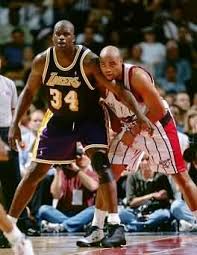
Defense Wins Games: How to Lock Down Your Opponent Like an Elite Defender
Introduction
When the final buzzer sounds, it’s often not the flashy offense but the gritty defense that made the difference between winning and losing. Just look at the 2004 Detroit Pistons who shocked the star-studded Lakers or the 2008 Boston Celtics who smothered opponents into submission. These championship teams proved a fundamental basketball truth: defense wins games—and championships.
Great defense isn’t just about effort; it’s a skill that requires technique, preparation, and basketball IQ. Whether you’re coaching a youth team or looking to improve your own defensive abilities, mastering lockdown defense will transform your game and your team’s win column.
Key Defensive Terms You Need to Know
Before diving into techniques, let’s understand the language of elite defenders:
- Help-side defense: Positioning yourself to assist teammates when their opponent drives to the basket
- Ball pressure: The intensity of defense applied to the player with the ball
- Defensive rotation: Organized movement of defenders when the offense forces the defense to shift
- Closeout: Approaching a shooter quickly but under control to contest a shot
- Defensive stance: The fundamental body position that allows quick movement in any direction
How Championship Teams Built Defensive Dynasties
The most successful basketball teams in history have one thing in common: elite defense. The Chicago Bulls of the 1990s weren’t just about Michael Jordan’s scoring—their defensive intensity fueled their fast breaks. The San Antonio Spurs under Gregg Popovich consistently ranked among the top defensive teams during their championship runs.
What these teams understood was that defensive excellence is repeatable and reliable. While shooting percentages fluctuate from game to game, defensive fundamentals remain constant.
Research shows teams that hold opponents under 100 points win approximately 62% of their games. Teams in the top 5 in defensive rating make the playoffs 83% of the time. The numbers don’t lie—defense directly correlates with winning.
Key Techniques for Lockdown Team Defense
1. The Shell Defense System
The shell defense is the foundation of team defensive principles used by virtually every successful basketball program:
- Players form a “shell” around the paint
- Defenders maintain proper spacing between the ball and their assigned player
- All five defenders move in unison as the ball moves
- Players communicate constantly about screens and cutters
Running shell drills for 15 minutes every practice builds the defensive communication and awareness that prevents easy baskets. For more foundational drills, check out our guide on basketball drills for kids that can build these essential skills early.
2. Mastering Pick-and-Roll Defense
The pick-and-roll is basketball’s most common offensive action. Teams that defend it well typically win more games. Effective pick-and-roll defense requires:
- Communication: The defender guarding the screener must call out the screen early
- Proper angles: The on-ball defender must fight over or under the screen depending on the offensive player’s shooting ability
- Containment: The big defender must prevent both the ball handler from turning the corner and the roll man from getting an easy dunk
The Boston Celtics’ recent defensive success stems largely from their pick-and-roll coverage, where they switch seamlessly and rarely allow mismatches to be exploited.
3. Closeout Techniques That Work
Poor closeouts lead to easy drives or uncontested shots. Proper closeout technique includes:
- Sprint the first two-thirds of the distance
- Chop your feet for the final third
- Keep your hands high to contest the shot
- Force the offensive player toward the baseline or help
- Stay balanced to prevent blow-bys
Individual Defensive Skills That Make You Unbeatable
1. Mastering the Defensive Stance
The foundation of individual defense begins with your stance:
- Feet slightly wider than shoulder-width
- Knees bent, weight on the balls of your feet
- Back straight, head up
- Hands active, one up and one down
- Center of gravity low
Practice this stance daily until it becomes second nature. Kawhi Leonard’s defensive dominance begins with his textbook stance, which allows him to react instantly to offensive moves. For a deeper dive into this fundamental skill, visit our detailed guide on lockdown defense: mastering the low defensive stance.
2. Footwork: The Secret Weapon of Elite Defenders
Great defenders like Tony Allen and Gary Payton mastered defensive footwork. Key principles include:
- Push-step technique (never cross your feet)
- Quick, short steps rather than lunges
- “Choppy” feet when changing directions
- Hip flexibility to change direction quickly
- Recovery steps after being beaten
Daily footwork drills like defensive slides, closeout drills, and recovery exercises build the muscle memory needed for game situations. Learning proper basketball footwork and staying on the balls of your feet will dramatically improve your defensive capabilities.
3. Hand Positioning and Activity
Active hands disrupt offensive players and create turnovers:
- Keep one hand up to contest shots
- Use the other hand to deny passing lanes
- “Dig” at the ball when opponents drive
- Avoid reaching and swiping that lead to fouls
- Extend arms fully when contesting shots
Common Defensive Mistakes and How to Fix Them
1. Ball Watching
Problem: Defenders lose track of their assignment because they’re staring at the ball.
Solution: Practice “see man and ball” technique, where your vision encompasses both your man and the ball simultaneously.
2. Standing Upright
Problem: Defenders who stand tall can’t react quickly.
Solution: Use the “butt-to-bench” drill where players must maintain a low stance as if sitting on an imaginary bench.
3. Poor Communication
Problem: Silent defenders miss assignments and fail to help teammates.
Solution: Make calling out screens, cutters, and rotations mandatory in practice with consequences for silent defenders.
Building defensive confidence with proven tips and techniques can help players overcome these common mistakes.
Defensive Drills That Transform Average Teams Into Winners
1. The 4-on-4 Shell Drill
Have four offensive players pass around the perimeter while four defenders practice proper positioning, closeouts, and rotations. Add complexity by allowing drives, screens, and cuts as players improve.
2. Close-and-Recover Drill
Players sprint to close out on a coach or player with the ball, force them in a specific direction, then recover to help position when the ball is passed.
3. The Mirror Drill
Partners face each other with one player leading movement side-to-side and forward/backward while the defensive player mirrors them exactly. This builds lateral quickness and reaction time.
4. Defensive Slide-to-Sprint
Players defensive slide in one direction, then sprint to recover when the coach signals, simulating game situations where they must recover after helping. Before starting intense drills, don’t forget to implement essential warm-up drills to boost your performance.
Building a Defensive Mindset and Culture
The best defensive teams embrace defense as part of their identity. Coaches can build this culture by:
- Celebrating defensive wins in practice (charges taken, stops, deflections)
- Tracking defensive statistics beyond steals and blocks
- Creating defensive player of the game awards
- Making playing time contingent on defensive effort
- Emphasizing that defense creates offense through transition opportunities
Understanding when and how to transition from offense to defense is crucial for maintaining defensive pressure throughout the game.
Conclusion
Building a lockdown defense takes commitment, technique, and consistent practice. By implementing the defensive principles and drills outlined above, your team will develop the habits that lead to defensive excellence and, ultimately, more wins.
Remember what legendary coach Bob Knight said: “Everyone wants to be on a winning team, but few want to do what it takes to win.” In basketball, what it takes is often gritty, determined defense that stifles opponents and creates opportunities for your offense.
For players looking to elevate their overall game, don’t forget that proper weight distribution and defensive slides are foundational to becoming an elite defender.
Frequently Asked Questions
Q: How important is physical strength for playing good defense?
A: While strength helps, proper technique and positioning are more important. Players who understand defensive principles can be effective regardless of their strength. For developing overall basketball athleticism, check out our guide on training for explosiveness, strength, and speed.
Q: How do you defend quicker players?
A: Focus on beating them to spots rather than trying to stay in front. Give a slight cushion, maintain good balance, and force them toward help defenders.
Q: What’s the best way to practice defense individually?
A: Work on defensive slides, closeout drills, and the mirror drill. Video analysis of elite defenders also helps develop proper technique.
Q: How do you maintain defensive intensity for an entire game?
A: Conditioning is crucial. Incorporate defensive drills into conditioning work so players learn to execute proper technique while fatigued. Proper nutrition for peak performance can also help maintain energy levels throughout the game.