
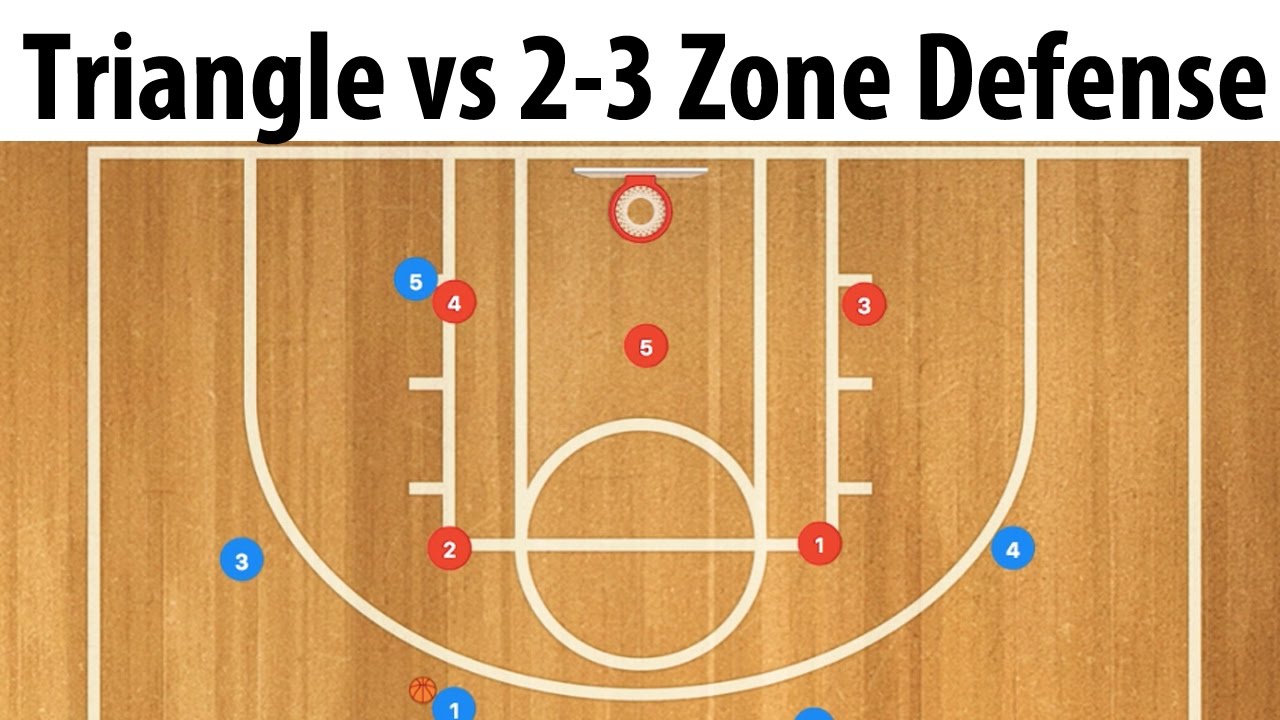
How to Run a Zone Defense Without Giving Up Threes: Complete Guide
Running an effective zone defense in basketball can be a game-changer, but only when executed correctly. Many teams struggle with their zone giving up too many three-pointers, which quickly negates its advantages. In this comprehensive guide, I’ll walk you through the keys to running a zone defense that protects the perimeter while maintaining its inherent strengths.
Understanding Zone Defense Fundamentals
Before diving into specific techniques, let’s clarify what makes a zone defense vulnerable to three-point shooting. Unlike man-to-man defense where each defender is responsible for a specific offensive player, zone defense assigns defenders to areas of the court. This spatial approach can create gaps at the three-point line if not properly executed.
Key Terms to Know
- Zone Gaps: Spaces between defenders that offensive players can exploit
- Zone Rotation: Movement patterns defenders use to close out on shooters
- Perimeter Containment: Prioritizing defense at the three-point line
- High-Low Action: Offensive strategy to attack zones from the middle
- Skip Passes: Passes that “skip” a defensive zone to find open shooters

Protecting the Perimeter: Essential Techniques
1. Extend Your Zone Coverage
The most common mistake teams make is keeping their zone too compact. While protecting the paint is important, today’s game demands extended coverage.
Technique: Position your perimeter defenders 2-3 feet beyond the three-point line instead of directly on it. This prevents shooters from catching in rhythm and forces them to put the ball on the floor.
Communication Key: Perimeter defenders should constantly call out “High!” to indicate they’re extending their coverage, while inside defenders respond with “Got middle!” to confirm interior protection.
2. Prioritize Top and Wing Coverage
Most three-pointers come from the top of the key and the wings, making these areas critical to defend.
Technique: In a 2-3 zone, your top two defenders should split responsibility for the top of the key while maintaining enough width to challenge wing shooters. In a 3-2 zone, wing defenders must be disciplined in challenging corner shooters without compromising the middle.
Communication Key: Call out “Ball!” when the ball enters your zone, and “Switch!” when passing responsibility to another defender.

3. Proper Close-Out Technique
Poor close-outs are often the culprit when zones surrender three-pointers. Defensive confidence begins with mastering this fundamental skill.
Technique: Close out with high hands and under control. Approach shooters at an angle that forces them toward the middle where help defenders wait, rather than allowing baseline drives.
Communication Key: Inside defenders should call “Help inside!” to give perimeter defenders confidence to aggressively close out.
Common Zone Defense Mistakes
1. Ball-Watching
When defenders focus only on the ball, offensive players can easily relocate to open spots behind the zone.
Solution: Implement the “ball-man-area” principle. While primarily responsible for your zone, always be aware of shooters entering your area before they receive the ball.
2. Slow Rotations Against Skip Passes
Skip passes are zone killers because they force long rotations.
Solution: Practice “skip rotation” drills where defenders must sprint to cover shooters after simulated skip passes. Emphasize anticipation rather than reaction.
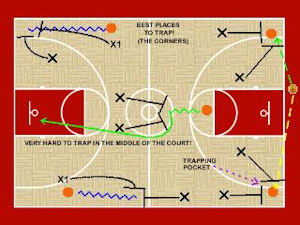
3. Overhelping from the Perimeter
When perimeter defenders collapse too deeply to help inside, three-point shots become available.
Solution: Establish clear help guidelines. Perimeter defenders should “stunt” (fake) at drivers but quickly recover to shooters rather than fully committing inside.
Effective Zone Communication Framework
Communication makes or breaks zone defense. Basketball IQ is closely tied to how well players communicate on defense. Implement these specific callouts:
- “Ball!” – Identifies who has primary responsibility for the ball
- “Shooter!” – Alerts the team to a known three-point threat
- “Flash!” – Warns about offensive players cutting into the middle
- “Skip!” – Alerts the weak side that a skip pass may be coming
- “Rotate!” – Commands the entire defense to shift in response to ball movement
Zone Defense Drills That Protect Against Threes
1. Three-Point Close-Out Drill
Setup: Position coaches or players around the three-point arc with basketballs. Defenders start in their zone positions.
Execution: Coach calls out positions (“Wing!” “Corner!” “Top!”) and passes to that spot. Defenders must rotate properly and close out with high hands.
Coaching Point: Track successful close-outs vs. uncontested shots to measure improvement.
2. Skip Pass Recovery Drill
Setup: Two lines of offensive players on opposite wings with basketballs. Defenders set up in zone formation.
Execution: Offensive players execute skip passes across the court. Defenders must rotate correctly to prevent open shots.
Coaching Point: Gradually increase the speed of passes to simulate game conditions.
3. Zone Shell Communication Drill
Setup: Five offensive players pass the ball around the perimeter without shooting or driving.
Execution: Defenders must call out all appropriate zone communication while moving in proper positioning.
Coaching Point: Stop play whenever communication breaks down to correct immediately.
For more drill ideas, check out our essential basketball drills for every skill level.
Adapting Your Zone for Different Offensive Attacks
Against Four-Out Offenses
Teams that play with four perimeter players stretch zone defenses thin.
Strategy: Consider switching to a 1-3-1 zone that places more emphasis on wing and corner coverage.
Against Strong Post Teams
When facing teams with dominant interior scorers who kick out to shooters:
Strategy: Implement a “2-1-2” alignment that puts extra pressure on post entry passes while maintaining perimeter coverage.
Managing Zone Defense with Youth Teams
Many coaches wonder is zone defense bad for youth basketball? The truth is, it can be beneficial when taught correctly. Youth players can develop important defensive concepts through simplified zone principles.
For youth teams, start with these foundational concepts:
- Basic zone positioning with clear landmarks
- Simple communication calls (3-5 key terms)
- Focus on closing out with high hands
- Teaching perimeter awareness first, then adding rotations
When coaching youth basketball, patience is essential as players learn zone principles.
FAQ: Zone Defense Perimeter Protection
Q: How do we prevent corner threes specifically?
A: In most zones, the bottom defenders (in a 2-3) or wing defenders (in a 3-2) must recognize when the ball is being swung and sprint to the corner before the pass arrives, not after.
Q: Should we trap out of our zone?
A: Selective trapping can be effective, but only if your rotation behind the trap is flawless. Practice “trap and rotate” scenarios extensively before implementing in games.
Q: How do we defend against teams that place shooters in the corners to stretch our zone?
A: Consider implementing a “corner tag” rule where one specific defender is always responsible for sprinting to cover corner shooters, regardless of traditional zone responsibilities.
Q: What’s the best way to prepare for teams that are great at beating a zone defense?
A: Study their patterns and customize your zone alignments accordingly. For teams that excel at perimeter shooting, extend your zone coverage and prioritize shooter identification.
Conclusion
Running an effective zone defense without surrendering three-pointers requires extended coverage, disciplined rotations, clear communication, and consistent practice. The keys are extending your perimeter coverage, prioritizing top and wing defense, using proper close-out techniques, and implementing a strong communication framework.
By incorporating these strategies and drills into your practice plan, your team can enjoy the benefits of zone defense—disrupting offensive rhythm, protecting against drives, and creating turnovers—without the traditional weakness of giving up open three-pointers.
To truly master zone defense concepts, players should also work on weight distribution, defensive slides, and guarding opponents for maximum defensive effectiveness.
Remember that any defensive system is only as good as your team’s commitment to executing it with energy and communication. Practice these concepts regularly, and you’ll see immediate improvement in your zone’s effectiveness against perimeter shooting.
Want to see these concepts in action? Check out BasketballFundamentals.com for free video tutorials on zone defense techniques and access to our complete library of basketball fundamentals resources!