
How Streetball Saved Basketball in the 90s: The Cultural Revolution That Changed the Game Forever
Introduction
The 1990s represented a pivotal era for basketball, one where the polished hardwood of NBA arenas wasn’t the only place where basketball innovation thrived. As television ratings dipped and the post-Jordan transition loomed, it was the gritty asphalt courts of America’s urban neighborhoods that injected new life into the sport. Streetball—with its dazzling moves, unwritten rules, and raw authenticity—transformed from a neighborhood pastime into a cultural phenomenon that would ultimately save basketball from stagnation. This article explores how chain-link fence courts became basketball’s most important laboratory for creativity, cultural relevance, and grassroots passion during a transformative decade.
What Was Streetball in the 90s?
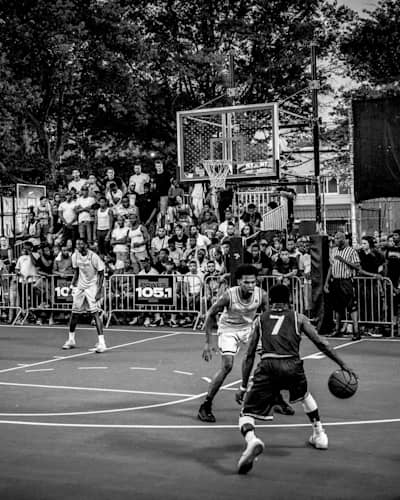
Streetball isn’t just basketball played outdoors—it’s a distinct cultural expression with its own vocabulary, aesthetics, and philosophy. In the 90s, streetball represented basketball in its most unfiltered form: no coaches, no formal rulebooks, just raw skill and creativity earning respect on the blacktop.
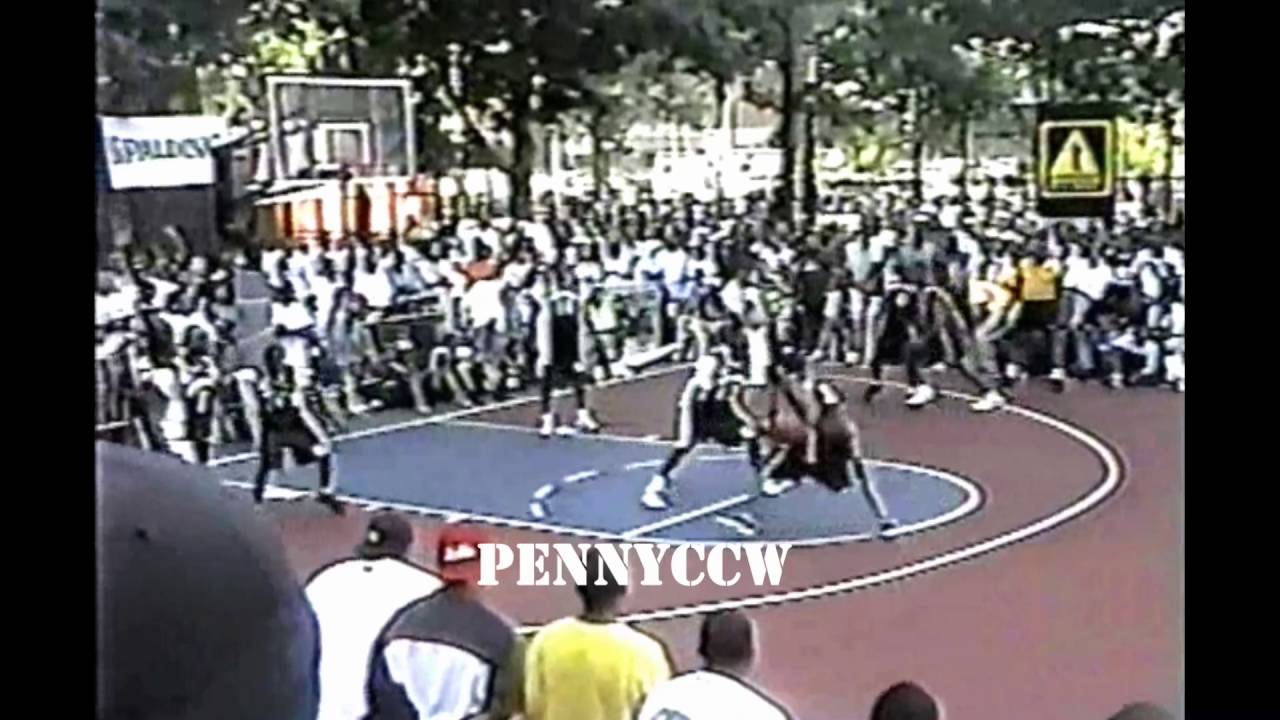
The 90s streetball scene emerged from neighborhood courts in cities like New York (particularly at Rucker Park in Harlem), Philadelphia, Chicago, and Los Angeles. These outdoor courts became proving grounds where local legends earned nicknames through spectacular plays and signature moves that wouldn’t always translate to organized basketball.
Unlike the structured NBA game, streetball embraced:
- Flashy dribbling exhibitions (“breaking ankles”)
- Creative scoring moves with personalized flair
- Trash-talking as psychological strategy
- Minimal officiating with players calling their own fouls
- Games often played to a set point total rather than timed quarters
The NBA’s Identity Crisis of the Early 90s
To understand how streetball saved basketball, we need to recognize the challenges the professional game faced as the decade began:
Basketball entered the 90s with concerns about its public image and mainstream appeal. The league faced criticism for being too predictable, with the Detroit Pistons’ physical “Bad Boys” style dominating but alienating casual fans. While Michael Jordan provided star power, the league worried about over-reliance on a single player’s appeal.
Television ratings fluctuated, and the NBA sought ways to connect with younger audiences who increasingly embraced hip-hop culture and alternative sports. The connection between professional basketball and urban youth culture was fraying just as competitors like the NFL were growing their audience share.
How Streetball Revitalized Basketball Culture
Cultural Authenticity When the NBA Seemed Corporate
While the NBA worked to polish its image for mainstream audiences, streetball remained unapologetically authentic. The playground game preserved basketball’s connections to urban culture, creating a parallel basketball universe where creativity and individual expression were celebrated above corporate sponsorships and sanitized personalities.
This authenticity resonated with young fans who felt disconnected from the increasingly corporate NBA. Streetball courts became cultural hubs where basketball, music, fashion, and community converged. Understanding the core basketball fundamentals was still essential, but streetball allowed players to build upon these basics with creative flair.
The AND1 Mixtape Revolution
Perhaps nothing demonstrates streetball’s impact better than the AND1 Mixtape phenomenon. What began as promotional VHS tapes for an upstart shoe company became cultural artifacts that changed how many people viewed basketball.
The first AND1 Mixtape, released in 1998, featured playground legend Rafer “Skip to My Lou” Alston performing jaw-dropping dribbling exhibitions set to hip-hop soundtracks. These tapes showcased players like “Hot Sauce,” “The Professor,” and “Half Man Half Amazing” performing moves that seemed to defy physics and conventional basketball wisdom.
These mixtapes accomplished several crucial things for basketball:
- They created accessible basketball celebrities outside the NBA system
- They highlighted creativity and individual style over team strategy
- They explicitly connected basketball to hip-hop culture
- They democratized basketball stardom by featuring players of average height and build
The AND1 Mixtape Tour eventually brought this streetball culture to cities nationwide, filling arenas with fans eager to see playground moves performed live. This grassroots energy flowed back into mainstream basketball consciousness.
Streetball’s Influence on NBA Play Style
The NBA gradually absorbed streetball’s influence as players who grew up watching playground legends brought elements of street creativity into the professional game. Crossover dribbles, behind-the-back passes, and creative finishing moves that originated on playgrounds became staples of NBA highlight reels.
Players like Allen Iverson explicitly bridged the gap between street and professional basketball. Iverson’s playing style—quick crossovers, fearless drives against larger defenders, and unstoppable scoring ability—embodied streetball’s spirit within NBA arenas. His cultural impact extended beyond his play to his fashion, attitude, and outspoken persona.
As streetball’s influence grew, NBA marketing evolved to embrace more authentic connections to urban culture. The league gradually recognized that the raw energy of playground basketball could help revitalize the professional product rather than compete with it. Many young players wanted to learn how to break ankles and get buckets just like their streetball heroes.
How Streetball Expanded Basketball’s Global Appeal
Streetball’s accessibility made basketball more approachable globally. Unlike organized basketball requiring referees, coaches, and formal courts, streetball could be played anywhere with a hoop—adapting to local conditions while maintaining its core appeal.
International players increasingly learned basketball through both traditional coaching and streetball’s creative approach. This hybrid development produced uniquely skilled international players who would later transform the NBA with their versatility.
The NBA’s international expansion efforts in the 90s found natural synergy with streetball’s growing influence. Basketball clinics in emerging markets often incorporated streetball exhibitions that captured young imaginations more effectively than traditional drills. Young players worldwide were inspired to improve their basketball IQ while adding creative elements to their game.
The Crossover Between Streetball and Popular Culture
Streetball’s influence extended far beyond basketball, permeating 90s popular culture:
- Music videos: Hip-hop artists frequently filmed on basketball courts, with players performing streetball moves in the background
- Fashion: Streetball aesthetics influenced 90s basketball apparel, from baggy shorts to headbands and arm sleeves
- Video games: Games like “NBA Street” introduced streetball moves and culture to millions of players
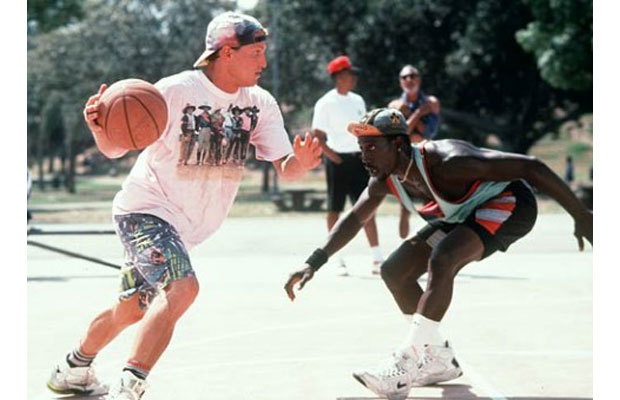
- Films: Movies like “White Men Can’t Jump” (1992) and “Above the Rim” (1994) brought streetball culture to mainstream audiences
This cultural cross-pollination helped basketball maintain relevance with younger generations when other sports struggled to connect authentically with changing youth culture. The inspirational nature of basketball found new expression through streetball’s raw energy.

Streetball’s Legacy in Modern Basketball
The influence of 90s streetball continues to shape basketball today:
- Player development increasingly embraces creativity alongside fundamental training
- Signature moves and personal style remain essential to player marketing
- Basketball culture maintains stronger connections to music, fashion, and urban culture than most major sports
- The balance between structure and creative freedom continues to define basketball at all levels
Many of today’s NBA stars grew up studying both traditional basketball fundamentals and streetball moves, creating a hybrid style that combines discipline with creativity. The emphasis on elite ball handling that we see in modern basketball can be traced directly back to streetball’s influence.
Conclusion
Streetball didn’t just save basketball in the 90s—it transformed it. By injecting authentic cultural energy, creative innovation, and grassroots passion into a sport facing an identity crisis, the playground game ensured basketball would remain culturally relevant for generations to come.
The symbiotic relationship between organized basketball and streetball created a stronger, more vibrant sport. The NBA eventually learned that embracing streetball’s influence rather than resisting it would help the league connect with new audiences while honoring basketball’s urban roots.
Today’s basketball landscape—where creativity is celebrated, individual expression valued, and cultural authenticity expected—owes an enormous debt to the playground legends who kept basketball’s heart beating on asphalt courts across America during a pivotal decade. Modern players still work to improve their vertical leap and develop specialized shots like the floater that originated on streetball courts.
FAQs About 90s Streetball
Who were the most famous streetball players from the 90s?
Players like Rafer “Skip to My Lou” Alston (who later played in the NBA), “Hot Sauce,” “The Professor,” and “Half Man Half Amazing” became streetball celebrities through their appearances in AND1 Mixtapes. Their creative dribbling techniques and signature moves made them household names in basketball communities.
Did any streetball players make it to the NBA?
Yes, several streetball legends transitioned to professional careers. Most notably, Rafer Alston played 11 seasons in the NBA after gaining fame on the streetball circuit. His journey demonstrates how the skills developed on playground courts could translate to the professional game with proper coaching and discipline.
How did streetball influence NBA player development?
Streetball emphasized creativity, improvisation, and personal style—elements that became increasingly valued in NBA player development during and after the 90s. Many basketball drills now incorporate elements that were once exclusive to streetball.
What was the relationship between streetball and hip-hop in the 90s?
The two cultural forces grew together, with basketball courts often serving as community spaces where music played during games. Hip-hop artists referenced basketball, while players adopted elements of hip-hop fashion and culture. This relationship created a unique synergy that pushed both basketball and hip-hop into mainstream consciousness.
Why was streetball particularly important in the 90s?
The 90s represented a transitional period for professional basketball, with concerns about post-Jordan appeal. Streetball provided authentic cultural energy and a creative laboratory that helped basketball evolve beyond its traditional boundaries. It also gave young players without access to formal training a way to develop their basketball intelligence and skills.
Make sure to check out basketballfundamentals.com for more information! Want to see these streetball moves in action? Check out our free video tutorials and explore our comprehensive guides on basketball history and fundamentals!