
How to Play Fearless Without Playing Reckless: The Ultimate Guide for Basketball Players
Introduction
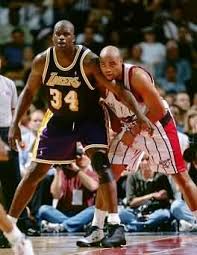
Basketball demands courage—the willingness to drive into traffic, contest shots, and dive for loose balls. However, there’s a critical difference between playing fearlessly and playing recklessly. The fearless player makes bold moves with control and purpose, while the reckless player puts themselves and others at risk. This guide will help you develop the mindset and skills to play with confidence and aggression without collecting unnecessary fouls or causing injuries.
Key Terms
- Controlled aggression: Assertive play that remains within the rules and maintains body control
- Basketball IQ: Understanding game situations and making smart decisions accordingly. Learn more about how to improve your basketball IQ
- Body positioning: Proper stance and alignment that allows for effective defense without fouling
- Court awareness: Knowing where all players are on the court at all times
- Body control: The ability to change direction, speed, or stop quickly while maintaining balance
The Fearless Mindset
Playing fearlessly starts with your mental approach. True fearlessness in basketball isn’t about throwing caution to the wind—it’s about preparation and confidence.
Trust your training: Hours spent practicing fundamentals creates muscle memory that allows you to act decisively in game situations. When you know you’ve prepared properly, you can play with confidence rather than hesitation. This is why basketball drills are essential for building this confidence.
Focus on process over outcome: Instead of worrying about missing shots or making mistakes, concentrate on executing proper technique. Did you set your feet correctly? Did you follow through? The results will follow when your process is sound.
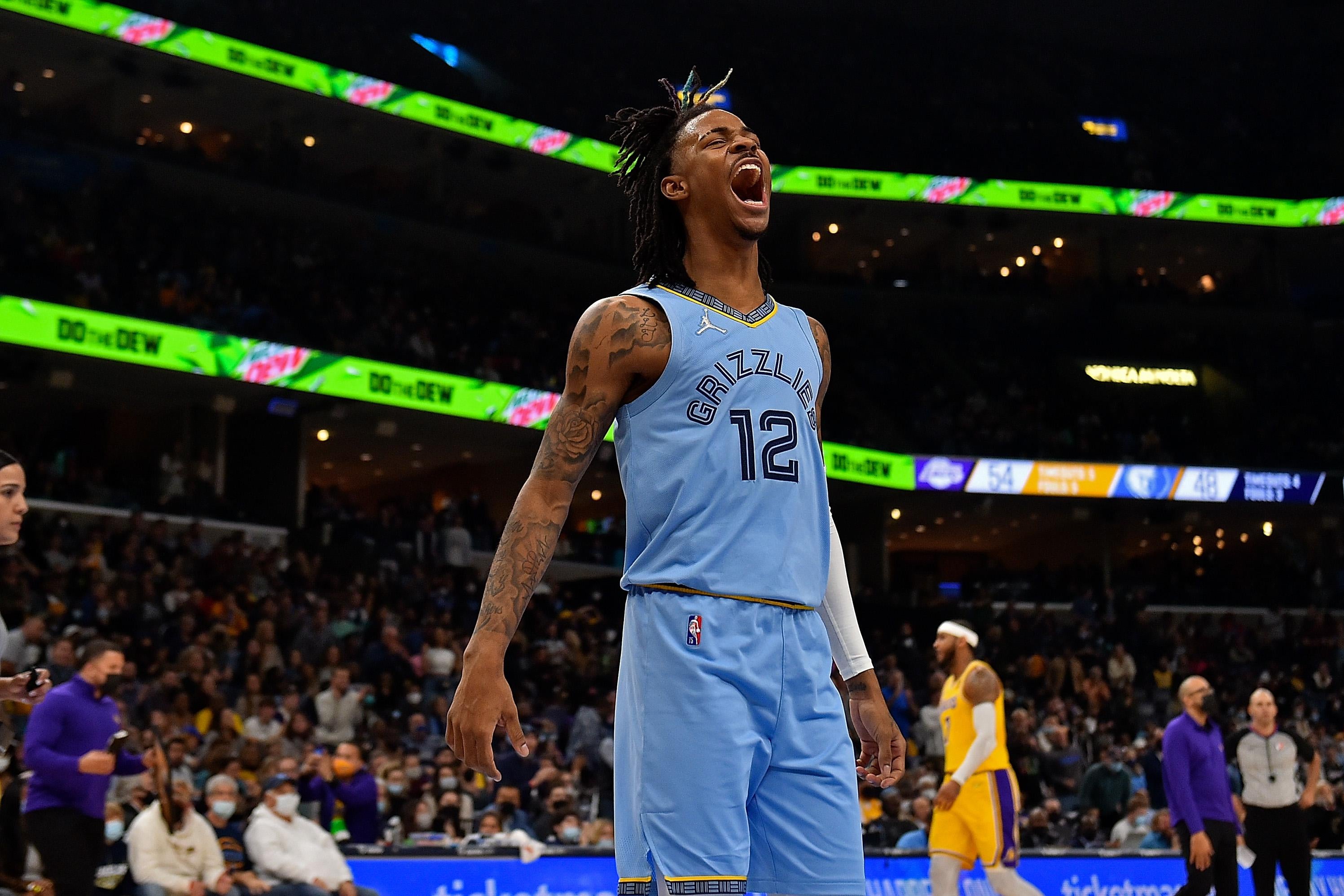
Embrace physical contact: Basketball is a physical sport. Players who shy away from contact limit their effectiveness. Study how top players like Jimmy Butler or Ja Morant initiate contact to create space and drawing fouls while staying in control.
Playing Aggressive Defense Without Fouling
Proper Defensive Stance
The foundation of controlled defensive aggression starts with your stance:
- Feet slightly wider than shoulder-width apart
- Knees bent, weight on the balls of your feet
- Back straight, head up
- Arms active but not extending into the opponent’s space
This balanced position allows you to move quickly in any direction while maintaining control. For more comprehensive guidance, check out our guide on how to play defense and mastering basketball defense techniques.

Active Hands vs. Reaching
Reaching is the hallmark of reckless defense and leads to fouls. Instead:
- Keep hands active in passing lanes
- Contest shots with vertical jumps (the “vertical principle”)
- Strip the ball during the gather, not during the shooting motion
- Mirror the ball with one hand up, one hand down when guarding dribblers
Anticipation vs. Gambling
Reckless defenders gamble for steals, leaving their team vulnerable. Fearless defenders:
- Study opponents’ tendencies to anticipate their moves
- Stay between their man and the basket
- Help and recover with purpose
- Force opponents into help rather than trying to make highlight-reel steals
To improve your defensive skills, try these 20 basketball defense drills for beginners.
Attacking the Basket Without Collecting Offensive Fouls
Reading the Defense
Before you attack, assess what’s in front of you:
- Is the defender’s stance balanced or leaning?
- Are they in legal guarding position?
- Where is the help defense coming from?
These quick reads help you choose the right attack and avoid charging fouls. This is where having a high basketball IQ for making smart decisions becomes crucial.
Creating Angles
Reckless players barrel straight into defenders. Fearless players:
- Use hesitation moves to create driving lanes
- Employ euro steps to avoid set defenders
- Master the jump stop to maintain balance and options
- Utilize pivots to create space without traveling
Working on your footwork fundamentals will help you execute these moves with precision.
Finishing With Control
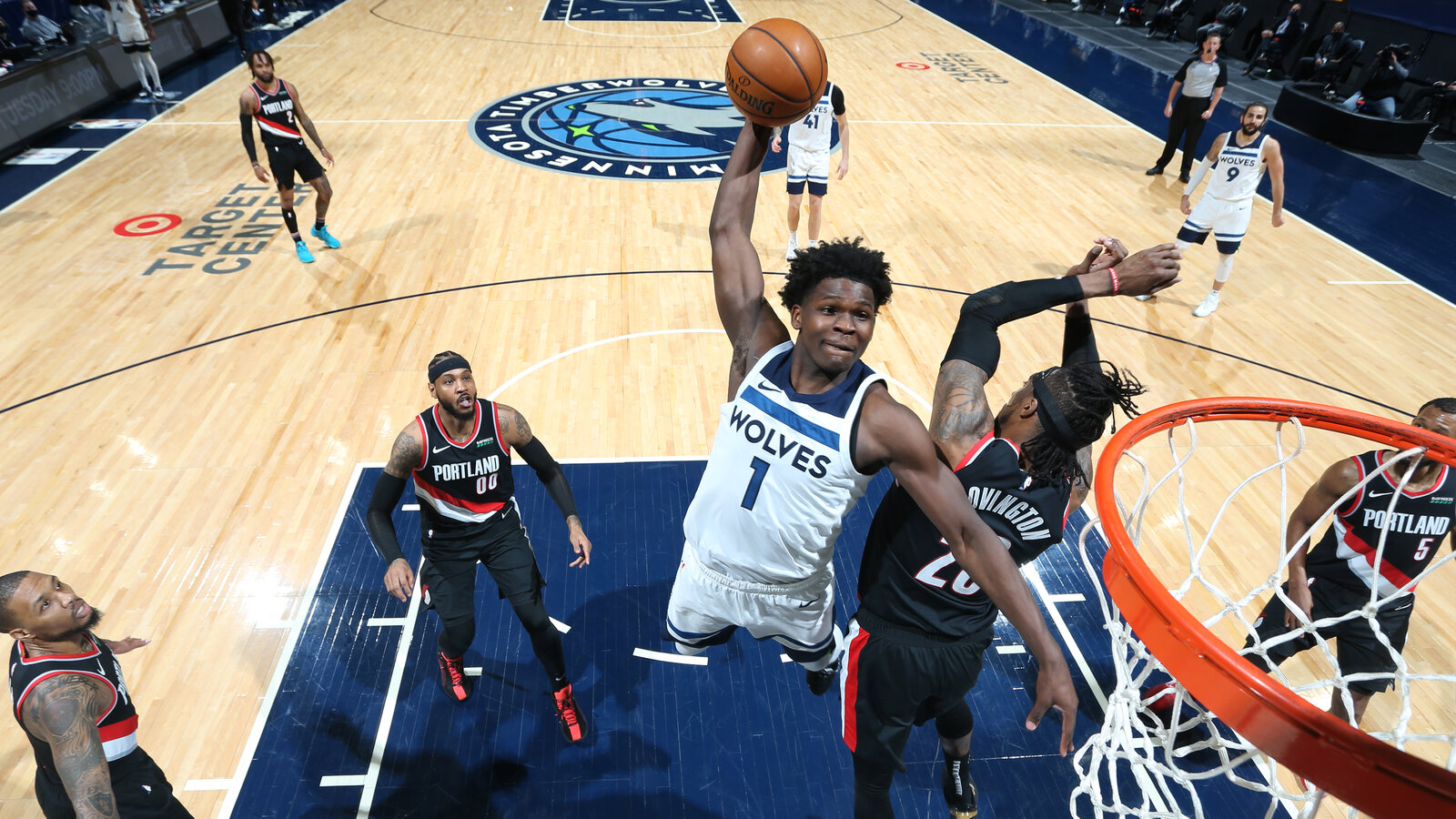
The art of finishing fearlessly involves:
- Using the rim as protection against shot blockers
- Developing ambidextrous finishes (reverse layups, finger rolls)
- Learning to absorb contact while maintaining shot focus
- Developing a reliable floater for when the lane is congested
You can improve your finishing skills by practicing these layup shooting mechanics and learning to master the floater.
Common Mistakes That Lead to Reckless Play
Playing Too Fast
Speed is an asset, but playing faster than your control level leads to turnovers and fouls. Practice skills at game speed to develop comfort with pace. Reducing turnovers is critical—learn more about improving ball handling and passing to reduce turnovers.
Emotional Decision-Making
Playing angry or frustrated often leads to reckless decisions. Develop routines to reset your emotions after bad calls or mistakes.
Poor Conditioning
Fatigue destroys technique. When tired, players reach on defense and lose body control on offense. Improving your conditioning allows you to maintain proper technique throughout the game. Check out how to train for explosiveness, strength, and speed.
Lack of Preparation
Players often play recklessly when facing unfamiliar situations. Study film and practice against different defensive looks to be prepared for anything.
Drills to Develop Fearless Control
1-on-1 Closeout Drill
This drill teaches defenders to close out under control while giving offensive players practice attacking aggressive closeouts:
- Defender starts under the basket
- Offensive player stands at the perimeter with a ball
- Coach points to the offensive player
- Defender sprints to closeout without fouling
- Offensive player attacks the closeout with a drive or shot
Mirror Drill
Develops defensive discipline and footwork:
- Defensive player and offensive player face each other
- Offensive player makes various moves without dribbling
- Defensive player mirrors movements while maintaining proper stance
- No reaching allowed—focus on positioning
Charge/Block Recognition Drill
Improves decision-making when attacking the rim:
- Set up defenders in various positions (legal guarding position vs. still moving)
- Offensive player must read the defense and decide whether to attack straight on, use a euro step, or pull up for a jumper
- Coach provides immediate feedback on decision quality
For more specialized training, explore our essential basketball drills for every skill level.
Application in Game Situations
End of Shot Clock Situations
When the shot clock winds down, offensive players often force bad shots while defenders get overaggressive. Practicing end-of-clock scenarios teaches controlled urgency.
Protecting Leads vs. Coming From Behind
Teams often play recklessly when trailing or too conservatively when leading. Develop specific strategies for both situations that emphasize smart aggression.
Foul Trouble Management
Players in foul trouble tend to either play too passively or continue their reckless style. Learning to adjust your aggression level while staying effective is crucial. Understanding basketball foul rules can help you play smarter.
Conclusion
Playing fearlessly without playing recklessly is what separates good players from great ones. It requires mental preparation, physical skill development, and situational awareness. By developing controlled aggression, you’ll become the player coaches trust in crucial situations—someone who makes impact plays without the liability of needless fouls or turnovers.
Remember that this skill develops over time. Even NBA players continue to refine their ability to play with controlled aggression throughout their careers. Stay patient with yourself, focus on improvement, and trust the process. For many players, these skills are part of the bigger life lessons basketball teaches.
Frequently Asked Questions
Q: How do I know if I’m playing too aggressively?
A: If you’re consistently in foul trouble (especially with similar types of fouls) or teammates and coaches frequently comment on your out-of-control play, you may need to dial back your aggression and focus more on technique. Learning to build defensive confidence can help you find the right balance.
Q: Can timid players learn to play fearlessly?
A: Absolutely! Start with controlled situations in practice where you gradually increase the physical contact. Build confidence through preparation and small successes rather than trying to change overnight. Our guide on essential warm-up drills can help build that confidence.
Q: What’s the best way to handle an opposing player who plays recklessly?
A: Stay disciplined in your fundamentals. Reckless players often create opportunities for you to draw charges, force turnovers, or get them into foul trouble if you maintain your composure and positioning.
Q: How can I be aggressive on the boards without fouling?
A: Focus on establishing position early, using your lower body strength rather than your arms, and timing your jumps based on the ball’s trajectory rather than pushing opponents. For more rebounding insights, check out how to become a beast on the boards.