
How to Use Decoys, Spacing, and Movement to Set Up a Star Teammate
Every great basketball team has that special player – the one who can take over games and elevate the entire squad. But even the most talented stars need help to reach their full potential. The secret? Strategic decoys, proper spacing, and coordinated movement. These often-overlooked fundamentals can transform your offense and create endless opportunities for your star players to shine.
What Are Basketball Decoys and Why They Matter
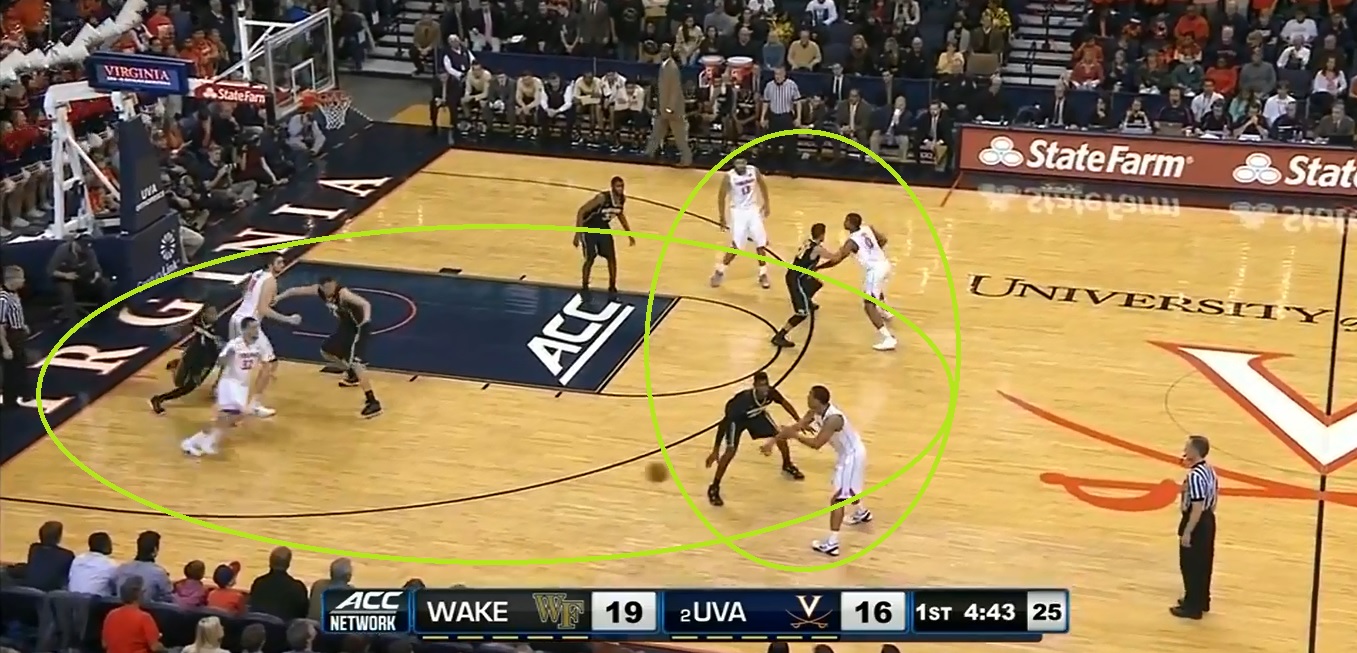
In basketball, a decoy is any action designed to divert defensive attention away from your primary offensive objective. Decoy moves typically fall into three main categories: dribble moves, cuts, and ball fakes – each serving to create separation from defenders and open up scoring opportunities. When used strategically, decoys create high-percentage scoring chances for your star players.
Smart coaches know that basketball IQ isn’t just about who has the ball – it’s about how five players work together to create advantages. Let’s explore how to unleash your team’s full potential through these essential tactics.

Creating Space: The Foundation of Modern Offense
As legendary coaches Bob Knight and Chuck Daly famously stated, “I don’t think there is anything more important to effective play on the basketball court at either end of the floor than spacing” and “Offense is spacing and spacing is offense.” All effective offenses maintain proper spacing, with perimeter players positioned 12-15 feet apart.
Basketball spacing is arguably the most critical element of a successful offensive system. Without proper spacing, even the most skilled players will struggle to find room to operate. Understanding the fundamentals of court spacing helps players execute essential basketball skills more effectively and generate quality scoring opportunities.
Why Proper Spacing Works:
- Makes Help Defense Difficult: When players are properly spaced, defenders must cover more ground to provide help, making it harder to defend against dribble penetration and creating better scoring opportunities.
- Creates Driving Lanes: When you’re the point guard and spot a gap in the defense, good spacing gives you a clear path to drive toward the basket. This prevents your defender from getting help from teammates who are out of position.
- Improves Shot Selection: Proper floor spacing forces the defense to cover the entire court, increasing the chances of teammates getting open looks. This creates better shot selections and often leads to more high-percentage opportunities for proper shooting form.
- Enables Effective Passing: With good spacing, passing lanes stay open and your star player can receive the ball in advantageous positions, helping your team improve passing skills.
Movement Principles That Create Opportunities
Static offenses are predictable and easy to defend. Purposeful movement creates confusion and forces defensive breakdowns. If you want to get open without the basketball, master these key movement principles:
1. Cutting With Purpose
When passing to a teammate, don’t stand still – cut! Players must “cut with a purpose” by making good fakes, hard cuts, and keeping their hands ready to receive passes for quick scores. If the cut doesn’t result in receiving the ball, the player should quickly find an open spot on the perimeter rather than getting stuck inside.
Developing this skill is crucial for creating space to shoot over defenders, especially when facing taller opponents.

2. Strategic Decoy Cuts
One of the most effective decoy moves is when floor spacers initiate movement. This creates confusion and destabilizes the opponent’s defensive rotations. For example, when an offensive player without the ball suddenly cuts from one side of the court to another, it often draws defensive attention and creates opportunities elsewhere.
These decoy movements force defenders to make quick decisions, often resulting in defensive mistakes that your star players can exploit. Building this skill requires understanding how to read basketball defenses.
3. Using Verbal Decoys
A verbal fake can be a powerful decoy tool. You can use a verbal fake by loudly yelling the ball-handler’s name and waving your arms to get the help-side defender (who’s sagging toward the paint) to come out and guard you. This opens up the inside for a teammate to cut or drive. Teams can establish an agreement: yelling “ball!” means you actually want the ball, while yelling a name is a decoy.
This strategy requires excellent team communication and is particularly effective when combined with pick and roll techniques to create mismatches.
Practical Decoy Tactics to Set Up Your Star
1. The Fake Cut Advantage
A fake cut is arguably the most effective decoy move, allowing offensive players to break free from defenders and find space for open shots. This involves running full speed toward the middle of the court, stopping abruptly, and retreating to the original position behind the three-point line. This leaves defenders scrambling to recover, creating a window for a relatively uncontested shot.
Perfecting this move requires not just skill but also improving first-step speed and reaction time.
2. The Exchange Weakside
A simple yet effective decoy is the positional exchange on the weak side of the court. When two offensive players without the ball switch positions on the side away from the ball, it draws defensive attention and creates confusion, especially when one of those players has strong shooting gravity.
This tactic works well when your team has developed strong core basketball fundamentals and players understand their roles within the offensive system.
3. The “Sleep Fake”
A crafty decoy is the “sleep fake,” where a player pretends to be winded and tired, bending over with hands on knees as if catching their breath. When the defender relaxes too, the offensive player suddenly makes a hard, quick cut to get open.
This deception requires good acting skills but can be devastatingly effective, especially for players who have worked on improving their first step to blow by defenders.
4. Ball Handler Repositioning
Once ball handlers have drawn the defense and passed to a teammate, they automatically become floor spacers and must reposition themselves accordingly, offering a passing angle in an efficient zone. This creates another opportunity as the defense scrambles to adjust.
This movement pattern requires excellent dribbling skills and court awareness to consistently put yourself in advantageous positions.
Drills to Master Decoy, Spacing, and Movement
1. Five-Out Spacing Drill
The 5-Out offense is ideal for teaching proper spacing. Position five players outside the three-point arc at designated spots. During practice, mark these spots based on players’ skill sets and positions. Repetition is key to building muscle memory for maintaining proper spacing.
This drill aligns with essential basketball drills that develop fundamental offensive skills.
2. Pass and Cut Drill
Set up five players around the perimeter. The player with the ball passes to a teammate and immediately cuts to the basket. After passing, players move to a different open spot on the three-point line to maintain spacing. Continue this cycle, focusing on crisp passes, proper spacing, and moving without the ball.
This drill helps develop the coordination needed for effective pick and roll plays later in your offensive development.
3. Decoy Recognition Drill
Have the offense run plays with designated decoys. The defense must identify who the actual target is versus who’s acting as a decoy. This trains both offensive deception and defensive awareness, helping players develop their basketball IQ.
Common Mistakes to Avoid
- Crowding Your Star: When bad spacing occurs, the player with the ball must not only beat their own defender but also try to evade other nearby defenders or teammates’ defenders standing too close. This makes it unnecessarily difficult for your star to operate effectively.
- Predictable Patterns: Running the same plays repeatedly makes your decoys ineffective. Mix up your offensive strategies to keep the defense guessing.
- Poor Timing: Even the best-designed plays fail with poor timing. Practice until your team’s movements are synchronized and purposeful, which helps reduce turnovers on offense.
- Static Positioning: Stagnant positioning makes it easier for the defense to anticipate your moves and execute defensive rotations quickly. Movement-oriented approaches create confusion and destabilize opposing defenses.
Building Mental Toughness Through Team Play
Learning to be an effective decoy and floor spacer requires selflessness – a quality that builds mental toughness. Players must understand that their contributions might not always show up in the box score, but they’re crucial to the team’s success.
Whether setting screens, maintaining proper spacing, or executing decoy cuts, these actions create the conditions for your star to excel. This team-first mentality strengthens players’ character and prepares them for pressure situations where everyone must play their role.
Ready to take your team’s offensive strategy to the next level? Check out our top 10 basketball drills that will help your players master these concepts and more!
Conclusion: The Unseen Advantage
The most successful teams aren’t always the most talented – they’re often the most coordinated. By mastering decoys, spacing, and movement, you create an offensive system where your star can thrive without forcing shots or making high-risk plays.
Remember that every player on the court can contribute to creating opportunities, whether they touch the ball or not. The player who sets the perfect decoy or maintains proper spacing might not get credit in the box score, but coaches and teammates recognize these vital contributions.
Implement these strategies in your practice sessions, be patient as players learn their roles, and watch as your team’s offensive efficiency reaches new heights – with your star player leading the way.
FAQ
How far apart should players be to maintain proper spacing?
Perimeter players should space out about 12 to 15 feet apart. This creates optimal passing lanes and makes it difficult for defenders to help without leaving their own assignments exposed.
Can these decoy techniques work at all levels of basketball?
Yes! While the execution might vary, the principles of decoy, spacing, and movement are fundamental at every level from youth basketball to the NBA. Adjust the complexity based on your team’s age and skill level. For youth coaching specifically, check out our guide on where to start with youth basketball coaching.
How do I know if my team’s spacing is effective?
Watch for these indicators: fewer turnovers, more assist opportunities, higher shooting percentages, and fewer contested shots. If your offense feels crowded or stagnant, spacing issues might be the culprit.
Should my team use the same decoys for different star players?
Tailor your decoy tactics to each player’s strengths. A great shooter might benefit from different decoy actions than a dominant post player. Analyze what defensive strategies opponents use against your stars and design counters accordingly.
How can we practice decoy movements effectively?
Start with simplified versions that isolate specific movements, then gradually integrate them into your offensive sets. Video analysis is invaluable – show players both successful decoys and missed opportunities to help them understand the concepts better.
Make sure to check out basketballfundamentals.com for more information! Watch our free video tutorial on advanced decoy tactics and explore our comprehensive guides on basketball fundamentals.