
Master the Triple Threat Position: The Offensive Weapon Every Basketball Player Needs
What Is the Triple Threat Position in Basketball?
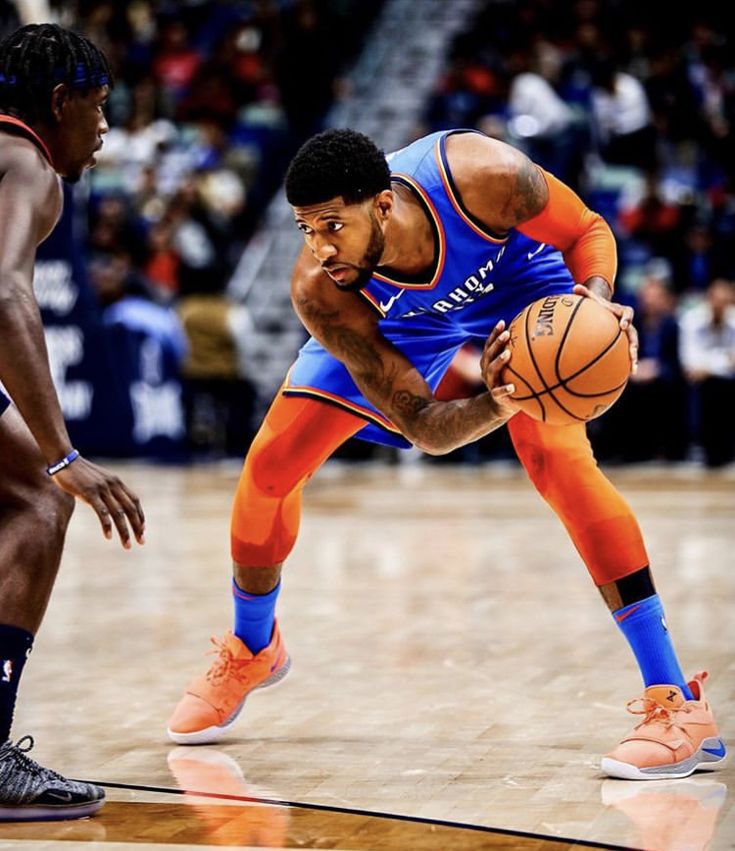
The triple threat stance gets its name because it positions a player to do three things instantly: shoot, pass, or drive to the basket. When executed properly, it creates immediate pressure on the defense and opens up scoring opportunities.
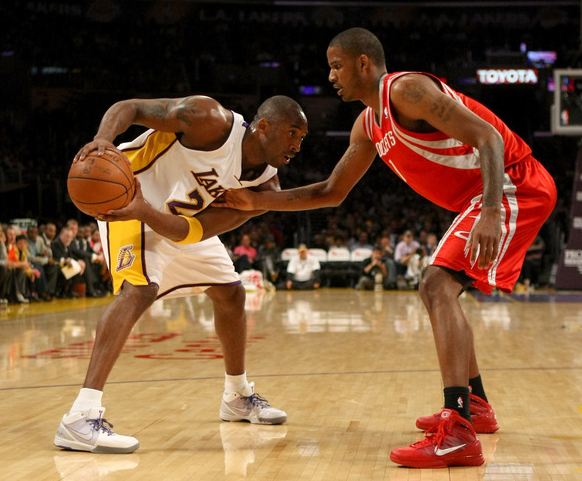
A player in triple threat position holds the ball near their shooting pocket (the area between hip and shoulder on the shooting side), with knees bent, weight balanced, and eyes up—ready to attack in any direction. This fundamental stance hasn’t changed much since basketball’s early days because it simply works.
Why the Triple Threat Stance Remains Essential for Basketball Offense
In today’s fast-paced game, the triple threat position might seem like a basic concept that gets overlooked. However, coaches from youth leagues to the NBA continue to emphasize this stance because:
1. It Creates Decision-Making Advantages
When you catch the ball in triple threat, you force defenders to guard against multiple options simultaneously. This mental pressure often causes defenders to make the first move, giving the offensive player a reaction advantage. A good defender must respect all three threats—the shot, the drive, and the pass—which creates natural offensive opportunities.
2. It Establishes Proper Basketball Fundamentals
The triple threat stance reinforces critical offensive fundamentals:
- Proper balance and footwork
- Ball protection techniques
- Ready shooting position
- Court vision and awareness
- Efficient movement initiation
These fundamentals transfer to virtually every offensive basketball skill.
3. It Develops Basketball IQ
Players who master the triple threat position develop better basketball instincts. They learn to read defenders’ positioning, understand spacing concepts, and make quicker decisions. This heightened basketball IQ translates into more efficient offensive play.
4. It Works at Every Level of Play
From youth basketball leagues to professional competition, the triple threat remains universally effective. Watch NBA games closely, and you’ll notice elite players consistently catching passes in triple threat position before making their moves.
Common Mistakes When Using the Triple Threat Stance
Even experienced players sometimes struggle with triple threat fundamentals. Avoid these common errors:
Standing too upright: A high center of gravity limits explosiveness and makes it harder to drive past defenders. Keep your knees bent and body low.
Poor ball positioning: Holding the ball too low invites steals; holding it too high reduces drive options. Keep the ball in your shooting pocket with elbows slightly out.
Telegraphing intentions: Staring at your target or leaning before moving gives defenders advance notice of your plans. Stay balanced and use your eyes to misdirect.
Static positioning: The triple threat should be dynamic, with subtle weight shifts and jab steps to keep defenders guessing. Avoid standing still.
Rushing decisions: Many players catch and immediately act without reading the defense. Take a moment to assess the defensive reaction before choosing your move.
Effective Triple Threat Drills to Perfect Your Stance
Developing a dangerous triple threat position requires dedicated practice. These drills will help players of all skill levels improve their triple threat effectiveness:
1. Jab Step Series Drill
This fundamental drill teaches players to use the jab step from triple threat position to create space:
- Start in triple threat position facing a defender (real or imaginary)
- Perform a quick jab step with your lead foot (without moving the pivot foot)
- Read the defender’s reaction:
- If they back up, rise into your jump shot
- If they lunge toward the jab, drive in the opposite direction
- If they stay balanced, use a crossover or step-back move
Practice all three reactions until they become instinctive. Work on both right and left pivot foot combinations.
2. Triple Threat Decision Drill
This drill improves decision-making speed:
- Position three teammates around the perimeter
- Catch a pass and immediately drop into triple threat stance
- Coach calls out “shoot,” “drive,” or “pass”
- Execute the called action explosively
- Return to starting position and repeat
The key is minimizing reaction time between the command and your movement while maintaining proper form.
3. Mirror Defender Drill
This two-person drill teaches players to read defensive positioning:
- Offensive player starts in triple threat position
- Defender shows different defensive looks (backing off, overplaying one side, etc.)
- Offensive player must choose the appropriate counter move:
- Shoot against defenders playing too far back
- Drive against aggressive closeouts
- Attack the overplayed side with a drive to the opposite direction
- Pass when help defenders collapse
4. Rhythm Dribble Triple Threat Drill
This advanced drill helps players transition smoothly between dribbling and triple threat positions:
- Start dribbling at the top of the key
- On whistle, pick up the ball and immediately establish triple threat position
- Execute a specific move (jab and shoot, rip-through drive, etc.)
- Return to dribbling and repeat
This drill simulates game situations where players must quickly transition from handling to attacking.
5. Triple Threat Circuit Training
Set up five spots around the perimeter. At each spot:
- Catch a pass in triple threat position
- Execute a specific move (different at each spot)
- Finish with a shot, drive to the basket, or pass to a target
- Sprint to the next spot
Complete the circuit as quickly as possible while maintaining proper form. This drill builds both skill and conditioning.
Evolving Your Triple Threat Game
As you develop your triple threat skills, focus on these advanced concepts:
Reading defensive positioning: Learn to identify how defenders are playing you—their distance, hand position, foot placement, and weight distribution all offer clues about which triple threat option will be most effective.
Varying your timing: Sometimes pausing in triple threat creates more pressure than immediate action. Develop a hesitation move or pump fake from your stance.
Building counter moves: Once you establish tendencies (like always driving right), defenders will adjust. Develop counter moves to punish these adjustments.
Using triple threat in transition: Most players think of triple threat as a half-court concept, but establishing quick triple threat position during fast breaks can create easy scoring opportunities before the defense sets.
FAQ About the Triple Threat Position
Q: At what age should players start learning the triple threat stance?
A: Players can begin learning basic triple threat concepts as early as 8-10 years old, though younger players should focus on proper stance and simple decisions rather than complex moves. For young players, consider these basketball drills for kids that incorporate triple threat fundamentals.
Q: How can tall post players use the triple threat effectively?
A: Post players benefit tremendously from triple threat positioning, especially facing the basket. The threat of a jump shot or face-up drive makes their post moves more effective. Working on essential dribbling skills for post players can enhance their triple threat effectiveness.
Q: Does the triple threat stance work against zone defenses?
A: Absolutely. Against zones, the triple threat position helps players attack gaps, draw multiple defenders, and find open teammates for high-percentage shots. Understanding how to beat a zone defense makes the triple threat even more effective.
Q: How do left-handed players adjust their triple threat positioning?
A: Left-handed players should mirror the stance, with the ball positioned on their left side in the shooting pocket. Their right foot typically becomes their initial drive foot.
Q: How has the triple threat evolved in the modern game?
A: Today’s players often utilize the triple threat from farther from the basket due to improved shooting ranges. The principles remain the same, but the threat of the long-range shot makes the stance even more dangerous.
Conclusion
The triple threat stance remains basketball’s most versatile offensive weapon because it embodies the game’s fundamental choice: shoot, pass, or drive. By mastering this position, players at any level can become more dangerous offensive threats and elevate their overall basketball performance.
When you’re working on your triple threat skills, remember that this fundamental position connects to nearly every aspect of offensive basketball. From proper shooting form to perfect passing techniques, the triple threat stance serves as the launchpad for all your offensive moves.
Ready to take your basketball fundamentals to the next level? Check out basketballfundamentals.com for free video tutorials on the triple threat stance and other essential basketball skills that will transform your game!