
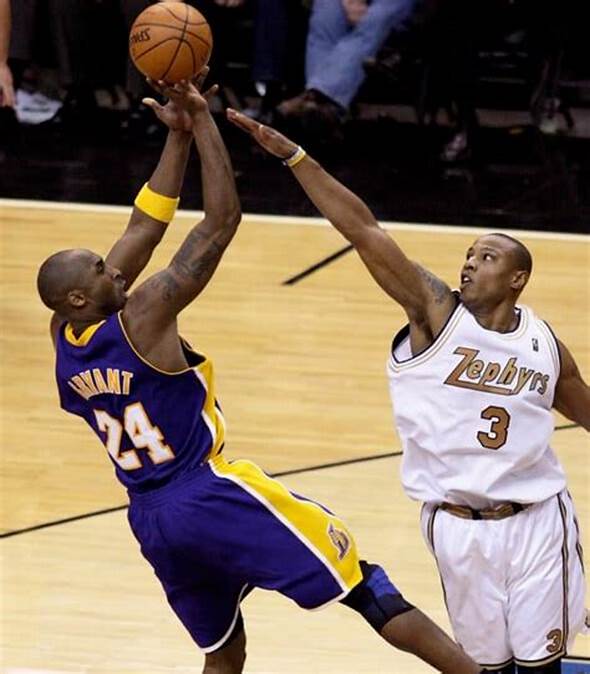
Why Most Players Don’t Actually Know What a “Good Shot” Is
What Makes a Shot “Good” Anyway?
The definition of a “good shot” isn’t as straightforward as many players believe. While most basketball enthusiasts think it’s simply about being open or having a high shooting percentage from a certain spot, the reality is much more nuanced.
A truly good shot considers multiple factors:
- Your personal shooting strengths
- Game situation and score
- Shot clock position
- Defensive positioning
- Team offensive strategy
- Risk vs. reward calculation
Let’s break down why most players misunderstand what makes a shot worth taking, and how you can develop better basketball shot IQ.

The Common Misconceptions About Good Shots
Misconception #1: Open Shots Are Always Good Shots
Many players believe that an uncontested shot is automatically a good shot. While having space is important, an open three-pointer for a 25% three-point shooter early in the shot clock might actually be a poor choice compared to working for a higher percentage opportunity.
Misconception #2: Taking Your “Favorite” Shot
Just because you like shooting from a certain spot doesn’t mean it’s statistically advantageous. Many players develop comfort zones that don’t align with their actual shooting percentages. Tracking your shooting effectiveness from different areas during practice can reveal surprising insights about where you should actually be shooting from.
Misconception #3: All Layups Are Good Shots
While shots close to the basket generally have higher conversion rates, a contested layup against multiple defenders might be a worse option than kicking out to an open teammate. Basketball shot selection requires considering the entire floor, not just your immediate scoring opportunity.
How to Understand When to Take a Good Shot
Know Your Shot Chart
The first step to improving basketball shot selection is understanding your personal shot chart. Where do you shoot best from? Which spots on the floor give you trouble? Smart players know their hot zones and prioritize getting to those positions.
During your next few practice sessions, track makes and misses from different areas. You might discover that while you love corner threes, you actually shoot better from the wing. This data-driven approach to basketball shooting fundamentals can transform your game.
Read the Defense Properly
Good shot selection isn’t just about your abilities—it’s about the defense’s positioning and tendencies. Before catching the ball, scan the court. Is help defense leaning your way? Is your defender playing too close or giving you space?
Learning to read defensive cues improves basketball court awareness and helps you anticipate whether a shot opportunity will materialize. The best scorers make these reads before receiving the ball, giving them a crucial decision-making advantage.
Understand Game Situation
A “good shot” changes based on game context:
- Early in the game: Focus on high-percentage opportunities to establish rhythm
- When leading: More conservative shot selection to maintain possession
- When trailing late: Higher risk shots might become necessary
- End of shot clock: A contested shot becomes better than a shot clock violation
Basketball game management requires adjusting your shot selection criteria based on these changing circumstances.

Consider Your Role
Not everyone on a basketball team should take the same shots. Understanding your role within the team’s offensive framework is crucial for basketball team chemistry.
If you’re a designated shooter, an open three-pointer is likely a good shot for you. If you’re primarily a defensive specialist, passing up that same shot to find the team’s best scorer might be the better basketball play.
Quality Over Quantity
Many players fall into the trap of “getting their shots up” regardless of quality. Basketball scoring efficiency is more important than raw point totals. A player shooting 4-for-6 is contributing more than someone shooting 5-for-15, despite scoring fewer points.
Elite scorers understand that patience and shot selection fundamentals lead to higher percentage looks and better team outcomes. This is where having strong shooting off the dribble skills can be valuable, allowing you to create quality shots when plays break down.
Drills to Improve Your Shot Selection
1. The Decision-Making Scrimmage
In this drill, players receive points for good decisions, not just made baskets:
- +3 points for taking and making a good shot
- +1 point for taking a good shot that misses
- -1 point for taking a bad shot, even if it goes in
- +2 points for passing up a bad shot and creating a better opportunity
This basketball training drill reinforces quality decision-making over results-oriented thinking.
2. Shot Clock Scenarios
Practice with different shot clock situations:
- Full 24-second scenarios
- 14-second reset situations
- 8-second emergency situations
- End-of-quarter scenarios
This basketball situational awareness drill helps players adjust their shot selection criteria based on time pressure. Understanding basketball game timing is critical for making good shot decisions.

3. Film Study Sessions
Perhaps the most underutilized tool for improving shot selection is basketball film analysis. Recording your games and reviewing every shot attempt can reveal patterns you might not notice in the moment:
- Do you rush shots when defended by taller players?
- Are you passing up open looks when you should be shooting?
- Do you force shots after going several possessions without an attempt?
These insights from basketball video analysis can dramatically improve your decision-making. Many great players like LeBron James are known for their extensive film study habits, which help them make better decisions on court.
4. Pressure Shooting Practice
Sometimes poor shot selection is the result of not being prepared to shoot under pressure. Incorporating shooting under pressure drills into your practice routine can help you stay composed when game situations get tense.
Add defenders, time constraints, or physical fatigue elements to your shooting drills to simulate game conditions. This will help you recognize good shot opportunities even when you’re tired or facing tough defense.
Advanced Shot Selection Concepts
Understanding Shot Types
Different types of shots have different expected values. Knowing when to use each type of shot in your arsenal can elevate your game. For example, a floater might be the right choice when you’ve beaten your defender but help defense is rotating to protect the rim.
Similarly, understanding when to use mid-range shots versus three-pointers can make you a more versatile and unpredictable offensive player.
Creating Good Shots With Fakes
Sometimes the best way to get a good shot is to create one by using effective fakes. A well-executed shot fake can get defenders out of position and create high-percentage looks.
Conclusion: Developing Your Basketball Shot IQ
Understanding what makes a “good shot” is a continuous learning process. Even NBA players constantly refine their shot selection based on evolving skills, team needs, and opponent tendencies.
The next time you’re on the court, consider more than just whether you’re open. Think about your strengths, the game situation, and team strategy. Basketball shooting decisions should balance confidence with intelligence.
As your shot selection improves, you’ll notice increased efficiency, better team play, and ultimately more success on the scoreboard. That’s the power of truly understanding what makes a good shot in basketball.
Elevating your basketball IQ in this way will separate you from players who rely solely on physical skills.
FAQ: Basketball Shot Selection
How do I know if I’m taking too many shots?
Look at your shooting efficiency compared to your teammates. If you’re shooting a significantly lower percentage while taking more attempts, you might need to be more selective.
Should beginners focus on shot selection?
Absolutely. Developing good habits early prevents forming bad tendencies that are difficult to break later. Even beginners should understand basic basketball shot fundamentals.
Can shot selection be practiced alone?
While team settings are ideal, you can improve individually by setting rules during practice sessions, like only shooting from your statistically strongest zones or creating time pressure situations.
How do great shooters know when to take heat-check shots?
Elite shooters understand the concept of basketball shooting rhythm. After making several consecutive shots, the confidence boost can temporarily expand their effective range. However, they still maintain awareness of game situation before deciding to take a heat-check shot.
How can I improve shooting decisions when I’m tired?
Mental toughness plays a huge role in making good decisions when fatigued. Working on basketball mental toughness can help you maintain good shot selection even in the fourth quarter or overtime.
Make sure to check out basketballfundamentals.com for more information! Our free video tutorial on shot selection principles will take your game to the next level. Visit our site for more basic basketball fundamentals that will transform your understanding of the game!