
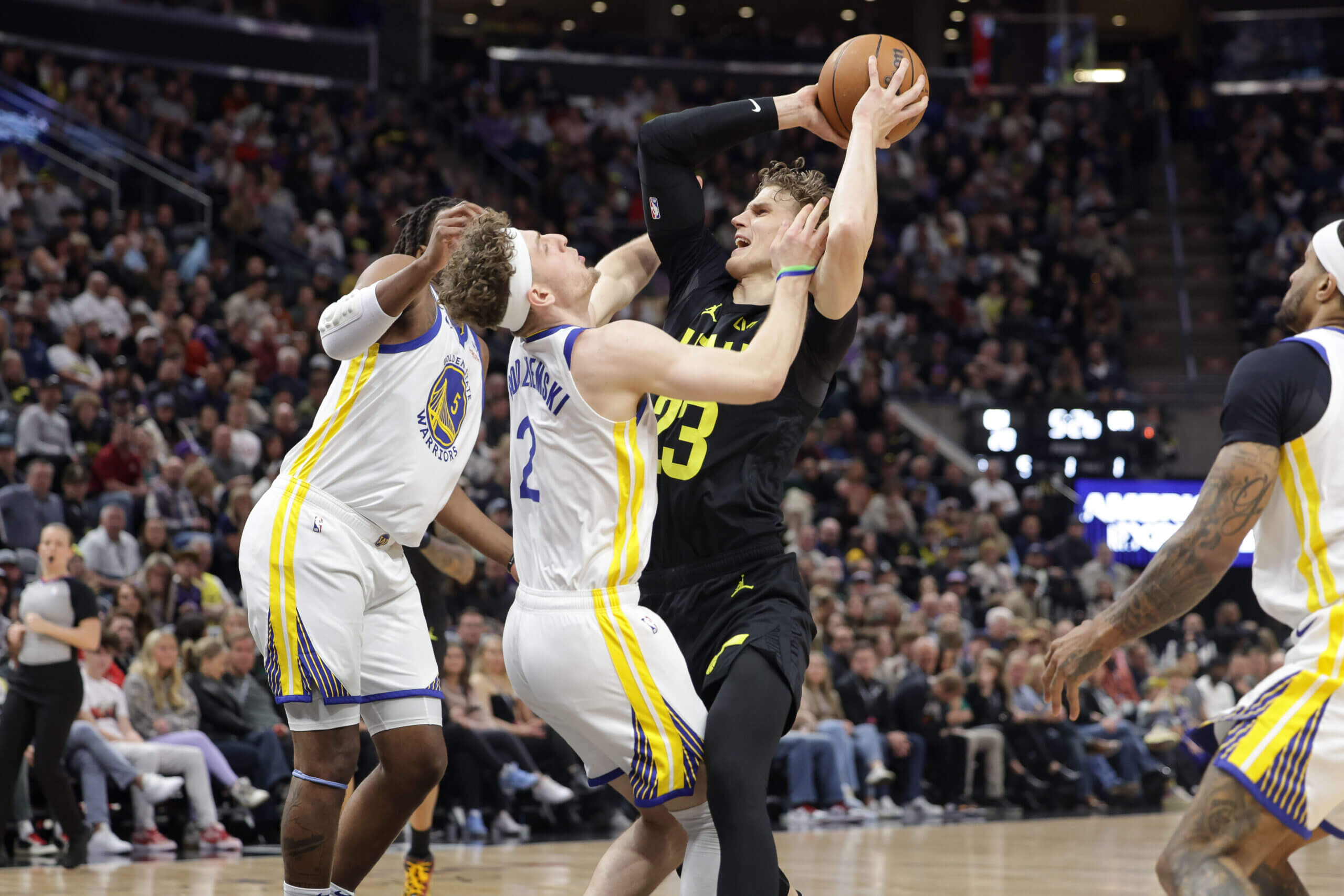
Stay in the Game: Mastering the Art of Playing One Possession at a Time
Have you ever watched your favorite basketball player bounce back after a brutal mistake? That’s not just talent—it’s mental toughness and present-moment focus. Whether you’re a weekend warrior or coaching youth basketball, learning to play one possession at a time can transform your game from frantic to focused.
What Does “One Possession at a Time” Actually Mean?
In basketball, “playing one possession at a time” means giving your complete focus to the current moment—not dwelling on past mistakes or worrying about the final score. It’s basketball mindfulness in action, and it’s what separates good players from great ones.
When players develop basketball mental toughness, they can:
- Shake off missed shots without losing confidence
- Refocus after referee calls that don’t go their way
- Maintain intensity regardless of the scoreboard
- Play with basketball situational awareness instead of panic
As legendary coach Phil Jackson once said, “The most important thing is to be present. When you’re thinking about the last play or the next play, you’re not fully engaged.” For more inspiration, check out our collection of inspiring basketball quotes that will elevate your game.
How to Take One Possession at a Time: Mental Training Techniques
1. Develop a Reset Routine
Every player needs a quick mental reset button. Research in sports psychology shows that simple physical cues can bring your mind back to center.
Try these basketball focus drills:
- Take a deep breath and tap your chest twice
- Adjust your jersey or wipe your shoes
- Use a key phrase like “next play” or “now”
These basketball concentration techniques take less than three seconds but can completely shift your mindset. This approach is particularly important when dealing with turnovers, as mental recovery is crucial after mistakes.
2. Practice Deliberate Focus Between Plays
The moments between possessions are critical for mental reset. Instead of replaying mistakes or thinking ahead to the outcome, use this time to center yourself.
Basketball Mental Prep Steps:
- Exhale completely (releases tension)
- Focus on your defensive stance or offensive position
- Communicate with teammates about the immediate task
- Scan the court for situational awareness
A study from the Journal of Applied Sport Psychology found that players who practiced focus techniques between possessions showed 23% better decision-making under pressure. This kind of awareness also helps with improving your basketball IQ.
3. Create Meaningful Segments
Breaking the game into smaller chunks makes staying present easier. Instead of thinking about the entire game, focus on:
- Winning the next defensive stop
- Executing the current offensive play
- Dominating the next four-minute segment
This basketball mental approach keeps your goals immediate and achievable, preventing overwhelming thoughts about the big picture. It’s an essential component of winning basketball practice strategies.
4. Use Verbal Anchors
Words have power. Work with teammates to develop verbal cues that bring everyone back to the present moment:
- “Reset” after a turnover
- “Next play” after a mistake
- “Lock in” during critical possessions
These basketball communication techniques create team-wide focus and prevent collective mental spirals. Effective communication is especially important when coaching youth basketball.
Common Mistakes in Present-Moment Basketball
Mistake #1: The Scoreboard Fixation
Nothing pulls players out of the present like constant scoreboard checking. When you’re down ten with six minutes left, looking at the score after every possession creates pressure that hurts performance.
Solution: Set a team rule to focus only on the process. The score will take care of itself if each possession receives your full attention. Understanding how to make smart decisions in close games is essential for this approach.
Mistake #2: The Momentum Myth
Many players believe momentum is something that happens to them rather than something they create with present-moment focus.
Solution: Practice basketball adversity training by intentionally creating challenging scenarios in practice and learning to reset your focus instantly. This approach is particularly valuable when incorporating warm-up drills that test mental focus along with physical readiness.
Mistake #3: Emotional Contagion
Basketball emotions spread quickly through teams. One player’s frustration can infect the entire group.
Solution: Designate “emotional leaders” who model staying present regardless of circumstances. This basketball team cohesion strategy prevents collective mental collapse and is a key component of effective team coaching.

Practical Drills to Improve Present-Moment Focus
1. The Distraction Drill
Have assistant coaches create noise and distractions during practice. Players must complete basketball fundamental drills while maintaining focus despite the chaos.
2. The Reset Challenge
After intentionally creating turnovers or missed shots in practice, time how quickly players can verbally and physically reset before the next play. This improves basketball mental recovery and helps players develop defensive confidence.
3. The Meditation Minute
Incorporate one minute of focused breathing before practice. Research shows this basketball pregame routine improves present-moment awareness during games. You can integrate this with your pregame warm-up routine for optimal results.
4. The Video Review
Film review sessions should highlight not just physical execution but moments of exceptional mental toughness and present-moment focus.
The Science Behind One-Possession Thinking
The brain science supports this approach. When players stay in the present:
- Stress hormones decrease, improving decision-making
- Fine motor skills remain sharp instead of tightening under pressure
- Working memory functions optimally for basketball play execution
- Visual processing improves for better court awareness
A study from the International Journal of Sport Psychology found that basketball players trained in present-moment techniques showed significant improvement in free throw shooting under pressure—a direct measure of focus ability.
How the Pros Stay Present
NBA mental coach Graham Betchart, who works with several NBA stars, teaches a technique called “WIN” (What’s Important Now). This focuses players on three things only:
- This moment
- This play
- Things they can control
Notice what’s missing: the past, the future, and anything outside their control. This approach is part of what distinguishes professional players and is fundamental to the broader life lessons basketball teaches.

Conclusion: Building Your Basketball Mindfulness Practice
Playing one possession at a time isn’t just a catchy phrase—it’s a skill that requires intentional practice. By incorporating these basketball mental toughness drills into your regular training routine, you’ll develop the ability to stay present even in the most challenging game situations.
Remember, basketball mindfulness isn’t just about improving performance—it’s about enjoying the game more fully. When you’re completely present, you experience basketball at its purest.
FAQs About Basketball Present-Moment Focus
Q: How long does it take to develop good present-moment focus?
A: Most players see noticeable improvement after 3-4 weeks of consistent practice with basketball mental training exercises. Complete mental toughness development continues throughout a player’s career.
Q: Can youth players learn these techniques?
A: Absolutely! Youth basketball mental toughness is best taught through simple cues and games that make focusing fun. Children often adapt to mindfulness concepts more quickly than adults. Check out our guide on basketball drills for kids that incorporate mental focus elements.
Q: Does this approach work for other sports too?
A: While this article focuses on basketball situational awareness, the principles of present-moment focus apply to all sports. The specific techniques may vary, but the fundamental concept remains powerful across athletics.
Q: How can coaches encourage this mindset?
A: Basketball coaching psychology suggests reinforcing process over outcomes during practice. Praise players for their focus and response to adversity rather than just successful shots or plays. For more guidance, see our comprehensive resource on how to become a basketball coach.
Q: What if I’m naturally anxious during games?
A: Start with brief basketball breathing techniques before gradually extending your present-moment focus. Many naturally anxious players become the most mentally tough through dedicated practice. Learning strategies for shooting under pressure can also help manage game anxiety.
Make sure to check out basketballfundamentals.com for more information! Our free video tutorial on mental toughness drills demonstrates these techniques in action. Visit our site for more resources on basketball fundamentals that will elevate your game from the inside out!