
The Rise of the Short King: Undersized Players Who Changed Basketball Forever
In a game dominated by giants, it’s the shortest players who often leave the biggest impact. These “short kings” of basketball have revolutionized how the game is played, proving that heart, skill, and basketball IQ can overcome any height disadvantage. Let’s explore how these undersized warriors changed basketball forever and discover the training secrets that helped them excel against towering opponents.
How the Mighty Small Conquered the Hardwood
Basketball has traditionally favored height—after all, the rim stands 10 feet tall. Yet throughout history, players standing well below the average NBA height (currently 6’6″) have not just competed but dominated the game. These undersized players didn’t just adapt to basketball; they forced basketball to adapt to them.
Speed Revolution: The Undersized Advantage
When Muggsy Bogues stepped onto an NBA court at just 5’3″, many thought it was a publicity stunt. Instead, he played 14 productive seasons, using his unprecedented quickness to disrupt offenses and thread needle-like passes through forests of defenders. Bogues pioneered how small players could leverage their lower center of gravity and explosive first step to create advantages.
“Being small means I’m closer to the ground, closer to the ball,” Bogues once explained. “I turned what others saw as a disadvantage into my superpower.”
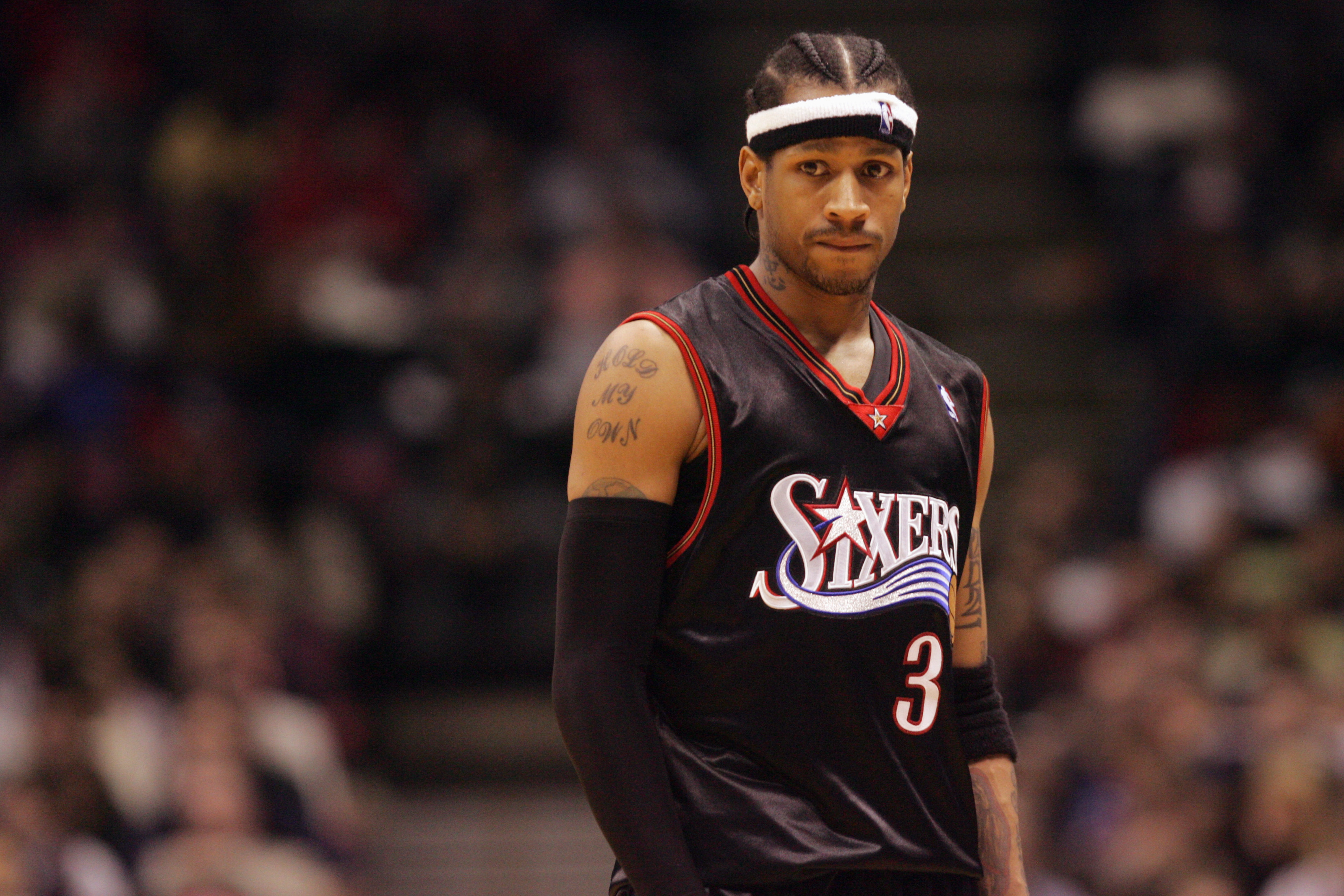
This speed revolution continued with players like Allen Iverson, who at 6’0″ became one of the most unstoppable scorers in NBA history. Iverson’s crossover became legendary—a move so devastating it even dropped Michael Jordan to the floor. His fearless drives to the basket against players often a foot taller changed how teams defended small guards.
The Evolution of the Point Guard Position
Before the short kings arrived, point guards were primarily game managers who set up plays and distributed the ball. Players like Isiah Thomas (6’1″) and Chris Paul (6’0″) transformed the position into offensive centerpieces.
Thomas led the “Bad Boys” Detroit Pistons to back-to-back championships in 1989 and 1990, proving that an undersized floor general could be the best player on a championship team. His ability to score, pass, and control tempo created the blueprint for modern point guards.
Chris Paul, nicknamed “Point God,” perfected the pick-and-roll game like few before him. His basketball intelligence and court vision demonstrated how undersized players could control games through skill rather than physicality.
Three-Point Revolution and Floor Spacing
Perhaps no player has changed modern basketball more than Stephen Curry. At 6’2″ and with a slight build, Curry seemed physically underwhelming when he entered the league. Now he’s recognized as the greatest shooter ever and has fundamentally changed how basketball is played at all levels.
Curry’s unlimited range forced defenses to guard the entire court, creating space for his teammates and revolutionizing offensive strategies. His success inspired a generation of players to develop deep shooting skills, leading to today’s three-point heavy game.
“The three-point line is the great equalizer,” basketball analyst Jeff Van Gundy noted. “It allows smaller players to generate scoring efficiency that once only belonged to centers dunking near the basket.”
Essential Drills for Undersized Players
Undersized players need specific skills to overcome their height disadvantage. Here are research-backed drills that have helped short kings excel:
Explosion and First-Step Quickness Drills
Lateral Bounds: Stand with feet shoulder-width apart, then explode sideways as far as possible, landing on the outside foot. This develops the explosive lateral movement that smaller players need to create separation.
Line Hops: Set up a line on the floor and hop back and forth over it as quickly as possible for 30 seconds. This builds the fast-twitch muscle fibers critical for quick movements.
Research from the Journal of Strength and Conditioning shows that plyometric training can increase vertical jump height by up to 7% in just six weeks—crucial for undersized players needing to play above the rim.
Ball-Handling Mastery Drills
Two-Ball Dribbling: Dribble two basketballs simultaneously, alternating heights and patterns. This develops advanced coordination and control.
Chair Drill: Set up six chairs in a zigzag pattern and dribble through them with changes of direction, speed, and hand. This simulates game situations where you must navigate through defenders.
Kyrie Irving, at 6’2″, has perhaps the best handles in NBA history. His trainer reports that he spends at least 45 minutes daily on ball-handling drills, allowing him to finish at the rim against much taller defenders.
Defensive Positioning and Anticipation
Mirror Drills: Partner with another player and mirror their movements while maintaining proper defensive stance. This builds the lateral quickness needed to stay in front of offensive players.
Charge Circle Drill: Practice taking charges by having a coach or teammate drive to the basket while you establish legal guarding position. This teaches proper positioning and timing.
Former NBA guard J.J. Barea (5’10”) took 26 charges during the 2011-12 season despite his small stature, showing how positioning and basketball IQ can overcome size limitations.
Floater and Mid-Range Development
Floater Progression: Practice floaters from different angles and distances, gradually extending your range. This shot is essential for smaller players who need to shoot over taller defenders in the paint.
Chair Shooting: Place a chair 2-3 feet in front of you and practice shooting over it. This simulates shooting over taller defenders, teaching you the proper arc needed.
Trae Young (6’1″) has mastered the floater, making it a deadly weapon in his offensive arsenal. Analysis shows he connected on 53.7% of his floaters during the 2020-21 season—an elite percentage for such a difficult shot.
Common Mistakes Undersized Players Make
Many shorter players fall into these traps:
- Relying too much on speed: While quickness is an advantage, developing a complete skill set is essential. Many undersized players become one-dimensional by focusing solely on their speed.
- Poor shot selection: Smaller players often force difficult shots instead of creating better angles. Film study shows that NBA’s elite small players like Chris Paul shoot a higher percentage of open mid-range shots rather than contested layups.
- Defensive gambling: Research indicates that undersized players average more steals but also commit more fouls when they over-pursue steals instead of maintaining solid defensive position.
- Avoiding contact: Analysis reveals many smaller players shy away from physical play, when in fact, initiating controlled contact can create space and drawing fouls is a key offensive strategy.
The Mental Game: The Ultimate Equalizer
What truly separates successful undersized players is their mental approach. Isaiah Thomas (5’9″), who averaged 28.9 points per game during the 2016-17 season, credits his success to his mindset.
“I’ve been the smallest player on every team I’ve ever played on,” Thomas said. “But I never saw it as a disadvantage because mentally, I never let it become one.”
Research in sports psychology confirms this advantage. A 2018 study found that athletes who consistently overcome physical disadvantages develop greater resilience and problem-solving abilities—skills that transfer to high-pressure game situations.
Conclusion: Standing Tall Among Giants
The short kings of basketball have proven that the game isn’t just about physical stature but about skill, intelligence, and heart. Players like Spud Webb, who won the 1986 Slam Dunk Contest at 5’7″, and Nate Robinson, the only three-time Slam Dunk champion at 5’9″, showed that even the most height-dependent aspects of basketball can be conquered by the undersized.
As basketball continues to evolve, these players’ legacies live on in today’s stars like Trae Young and Jalen Brunson, who continue to reshape what’s possible for players who don’t tower over their competition but stand tall in their impact on the game.
FAQ: Undersized Basketball Players
Q: What’s considered “undersized” in basketball?
A: In the NBA, players under 6’3″ for guards, under 6’7″ for forwards, and under 6’9″ for centers are generally considered undersized for their positions.
Q: Who is the shortest player to ever play in the NBA?
A: Muggsy Bogues at 5’3″ is the shortest player in NBA history, playing 14 successful seasons from 1987 to 2001.
Q: Can undersized players be effective defenders?
A: Absolutely. Players like Patrick Beverley (6’1″) and T.J. McConnell (6’1″) have built careers on disruptive defense through positioning, anticipation, and effort. Check out our guide on building defensive confidence for more tips.
Q: What physical attributes should undersized players focus on developing?
A: Speed, agility, strength-to-weight ratio, and vertical leap are crucial physical attributes that can help overcome height disadvantages.
Q: How important is shooting for shorter players?
A: Extremely important. Research shows that developing consistent shooting range forces defenders to play up close, making it easier to drive past them and creating offensive advantages.
Make sure to check out basketballfundamentals.com for more information! We offer free video tutorials on developing the skills mentioned in this article and many more resources to help players of all sizes maximize their potential on the court.