
Using Contact to Your Advantage: Skills for Drawing Fouls and Finishing Through Hits
Understanding Basketball Contact: The Game Within the Game
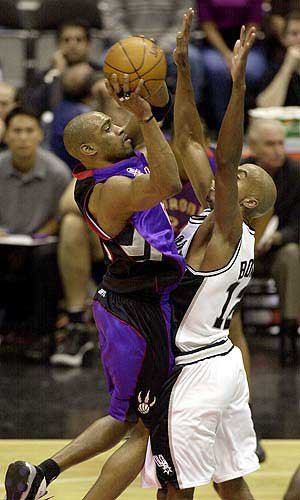
Learning to anticipate, absorb, and use this contact to your advantage is a crucial skill that separates elite players from average ones. The ability to finish through contact isn’t just about strength—it’s about technique, timing, and mental toughness. When executed properly, contact moves can:
- Create high-percentage scoring opportunities
- Put defenders in foul trouble
- Open up passing lanes as defenses collapse
- Earn free-throw attempts for easy points
- Build confidence and momentum
Key Techniques for Drawing Fouls
1. Master the Drive and Attack
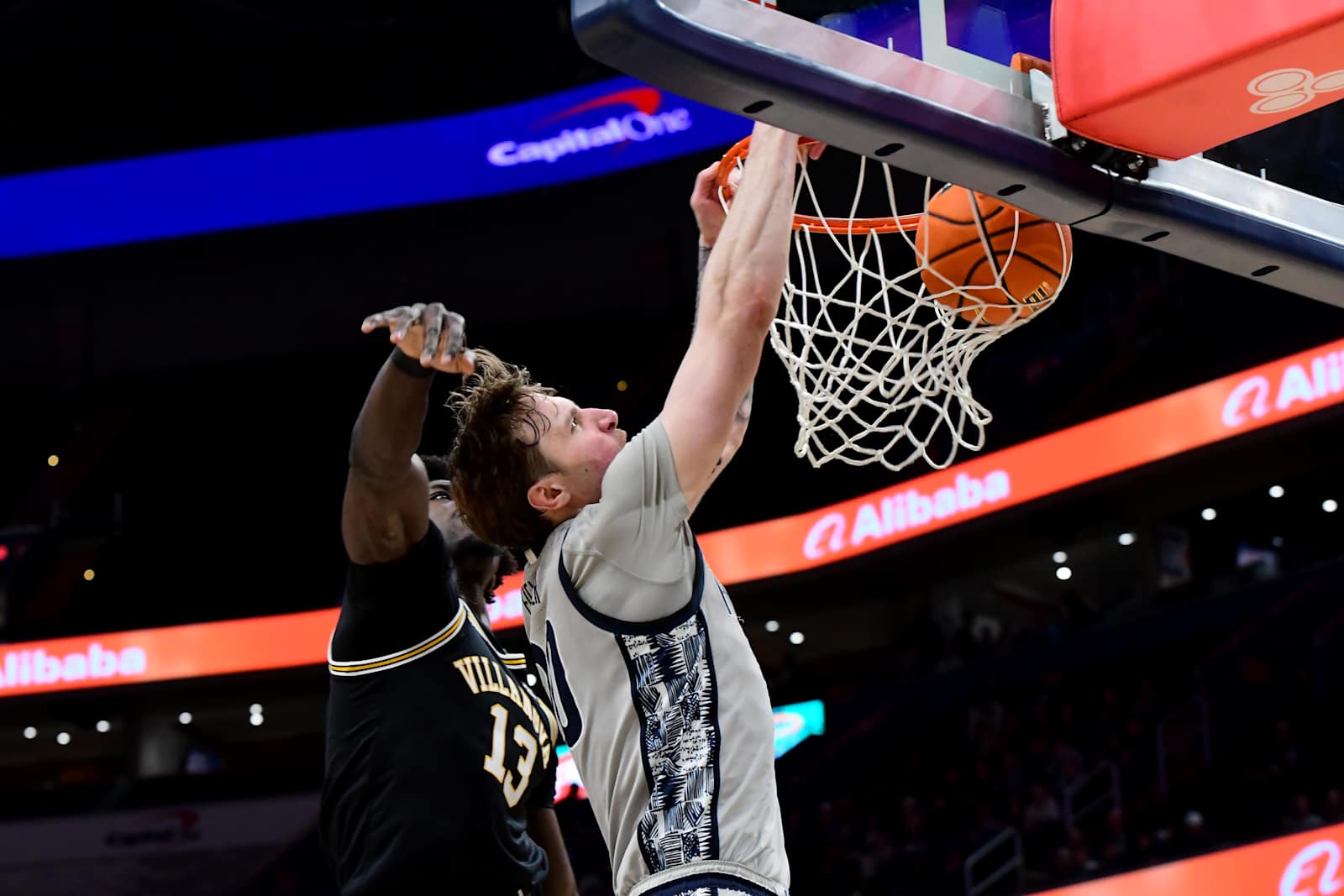
The most common way to draw fouls is attacking the basket with purpose. Drawing fouls requires aggressiveness, understanding positioning, and anticipating your defender’s next move. When driving, look for these opportunities:
- Recognize defensive positioning: Is your defender off-balance or leaning? That’s your cue to attack.
- Use hesitation moves: A quick change of pace can catch defenders reaching or stepping into your path.
- Drive into space: Attack gaps in the defense where help defenders must rotate quickly (often leading to late, foul-inducing contests).
Understanding defensive fundamentals will give you an advantage when trying to draw fouls. By knowing how defenders are taught to move, you’ll better anticipate their reactions and use them to your advantage.
2. Effective Pump Fakes
The pump fake is one of the most reliable ways to draw fouls, especially against aggressive defenders. When executed correctly, a pump fake gets a defender in the air, leaving them at your mercy—you can easily drive by for a basket or jump into them for a foul call.
Tips for effective pump fakes:
- Ensure your fake looks identical to your actual shooting motion
- Watch the defender’s eyes—many will jump when they see your eyes look up
- After the fake, jump straight up or slightly forward into the defender’s space
- Protect the ball while initiating contact
3. Use Your Body as a Shield
Basketball is a game of angles and space. An effective strategy is to drive into a defensive player whose feet aren’t stationary. When bodily contact occurs, a blocking foul can be called on the defensive player.
To use your body effectively:
- Keep the ball away from the defender by using your non-dominant arm as a shield
- Create contact with your shoulder or hip while maintaining control
- Maintain your balance through contact
- Follow through with your shot even after absorbing a hit

Techniques for Finishing Through Contact
1. Develop Core and Upper Body Strength
The first step to finishing through contact is building your physical strength and agility. This includes upper body strength, leg strength, and core strength to help you absorb and overcome contact. By incorporating vertical jump training into your routine, you’ll gain the explosive power needed to elevate through contact.
Incorporate these exercises into your training:
- Medicine ball workouts
- Resistance band training
- Bodyweight exercises that improve stability
- Plyometric drills for explosive power
2. Master the Power Layup
The power layup is essential for finishing through contact. When approaching the hoop, take a half step with your outside foot, then a full stride with your inside foot pushing off the court. Go directly toward the basket with your head up and eyes focused on the backboard. Go up strong and straight to the hoop—don’t shy away if there’s a defender.
Key elements of a power layup:
- Jump off two feet for maximum stability
- Keep the ball high and away from defenders
- Use your body to create space
- Focus on the backboard, not the defender
- Finish with a strong wrist snap
3. Practice Contact Layups
When contact occurs, always lean into the contact to maintain balance and control of your shot. This is usually done with one hand that’s closest to where the contact occurred on you.
Effective contact layups include:
- The bump-and-finish: Absorb contact with your shoulder while extending your arm to finish
- The Eurostep: Step around a defender to avoid a charge while creating space, one of the essential basketball moves to break ankles
- The wrong-footed layup: Use your right foot to step off when laying in with your right hand. This helps shield the defender from reaching across to block the shot; in reaching across, the defender will likely get called for a defensive foul
4. Lock the Ball Away
Avoid “swinging” the ball from side to side as you go up for a layup, which brings the ball right to the defender. If your opponent tries to reach in and steal the ball, they will have to go across your body to get to it. Locking the ball away leads to fewer turnovers, more fouls being called on your opponent, and stronger finishes around the basket.
This technique is especially important for young players who are still developing their core basketball fundamentals. By mastering this skill early, players build confidence in their ability to score through contact.

Mental Approach to Contact
Your mindset is just as important as your physical technique when it comes to handling contact:
- Embrace contact: Don’t expect the referee’s calls to go your way. Get used to playing without looking for fouls. Focus on finishing the play regardless of contact.
- Stay aggressive: Many players become hesitant after absorbing contact. Maintain your aggression throughout the game.
- Focus on the finish: Focus on putting the basketball in the basket rather than contorting your body hoping for a foul call. If you’re tough enough to put the ball in the basket, you don’t have to rely on the official.
Developing a strong basketball IQ will help you recognize situations where you can use contact to your advantage. The more you understand the game’s nuances, the better you’ll become at drawing fouls effectively.
Practice Drills to Improve Finishing Through Contact
Integrate these drills into your training routine to improve your contact skills:
1. Partner Contact Drill
Have a partner provide resistance with a pad while you practice different finishing moves. To improve your ability to finish in traffic, focus on developing body control and balance through drills that involve contact and simulated game scenarios.
2. Three-Player Post Drill
Work on timing when the post player should duck in and seal. Practice getting a deep position post-catch and develop skills for creating angles for passes and exploiting the post defender’s positioning. This can be a finishing through contact drill if the dummy defender with the pad chooses to be extra physical with the post player.
3. Chase Down Layups
This drill teaches players to finish layups at full speed and with pressure. Since youth basketball is normally decided by which team makes more layups, this is a basketball drill you must use often.
4. Contact Conditioning
Incorporate strength training, plyometric exercises, and specific drills designed to rapidly enhance your basketball skills, particularly focusing on maintaining balance and body control through contact.
Common Mistakes to Avoid
- Fading away from contact: This reduces your shooting percentage and decreases your chances of drawing a foul.
- Losing focus on the basket: Many players get so focused on the contact that they forget to concentrate on making the shot.
- Forcing contact unnecessarily: There’s a difference between drawing contact and forcing bad shots. Always prioritize getting a good look at the basket.
- Complaining to officials: “I was fouled!” How many times have you heard that after a player misses a shot? Don’t allow yourself to fall into that trap. Stay focused on the next play.
The Benefits of Free Throws
Drawing fouls doesn’t just give you a chance to score through contact—it also sends you to the free-throw line, which offers several advantages:
- Easy points: Free throws are uncontested shots that can significantly boost your scoring average. Mastering free throw shooting is crucial for maximizing these opportunities.
- Rest opportunities: Free throws provide a brief rest during intense game action.
- Foul trouble for opponents: Drawing fouls on layups can put the opposing team’s players in foul trouble, potentially forcing them to sit on the bench or play more conservatively on defense.
- Momentum builders: Successfully converting a layup through contact can boost a player’s confidence and provide a sense of momentum for the team.
FAQ: Mastering Contact in Basketball
How can I tell if I’m likely to draw a foul or get called for a charge?
Watch the defender’s feet. If the defensive player has established position (both feet stationary and arms not in a downward motion), contact can result in a charging foul against you. Otherwise, you’re more likely to draw a blocking foul. Understanding basketball foul rules is essential for making these split-second decisions.
Should I always try to draw contact when driving to the basket?
No. While driving into the paint puts pressure on the defense and can create scoring chances or draw fouls, sometimes a layup might not be the best option, such as when met with strong shot-blocking defenders or when there are open teammates for an easy pass.
How do I know when to initiate contact versus avoiding it?
This comes down to reading the defense. Before attempting to finish through contact, be aware of the defense. Watch the defender’s body position and movements to determine their intentions. This helps you anticipate contact and position yourself in a way that allows you to finish the play.
Does drawing fouls work at all levels of basketball?
Yes, but the execution might differ. In youth basketball, focus more on proper finishing technique. At higher levels, understanding the nuances of the rules and how officials call games becomes increasingly important.
How important is strength training for finishing through contact?
Very important. The first step to finishing through contact is building your physical strength and agility. This involves building upper body strength, leg strength, and core strength to help you absorb and overcome contact.
Conclusion: Make Contact Your Advantage
The ability to use contact to your advantage isn’t just a physical skill—it’s an art form that combines technique, timing, strength, and basketball IQ. By mastering the skills outlined in this guide, you’ll not only increase your scoring efficiency but also become a more versatile and dangerous offensive threat.
Remember that like any basketball skill, improving your ability to draw fouls and finish through contact takes consistent practice and game experience. Incorporate contact drills into your regular training, study how elite players handle contact, and most importantly, maintain an aggressive mindset that embraces rather than avoids physical play.
To continue developing a complete skill set, work on off-balance shooting techniques and scoring under pressure. These complementary skills will make you an even more formidable offensive player.
Make sure to check out basketballfundamentals.com for more information! We have free video tutorials and additional resources on basic basketball fundamentals that will take your game to the next level.