

Why Taking Ice Baths Can Transform Your Mental Toughness on the Court
Introduction
The squeak of sneakers on hardwood, the swish of the net, the physical demands of a full-court press—basketball pushes athletes to their limits. But what if there was a practice that could help you push past those limits, not just physically but mentally? Ice baths, once considered an extreme recovery method used only by elite athletes, are now becoming a secret weapon for basketball players at all levels looking to build mental fortitude that translates directly to game-time performance.
As the science of sports psychology and athletic recovery evolves, cold water immersion has emerged as a powerful tool that bridges the gap between physical recovery and mental toughness training. Let’s dive into the frigid history of ice baths and discover how this challenging practice can transform you into a mentally unshakable force on the basketball court.
The Cold History of Ice Baths
Ancient Beginnings to Modern Science
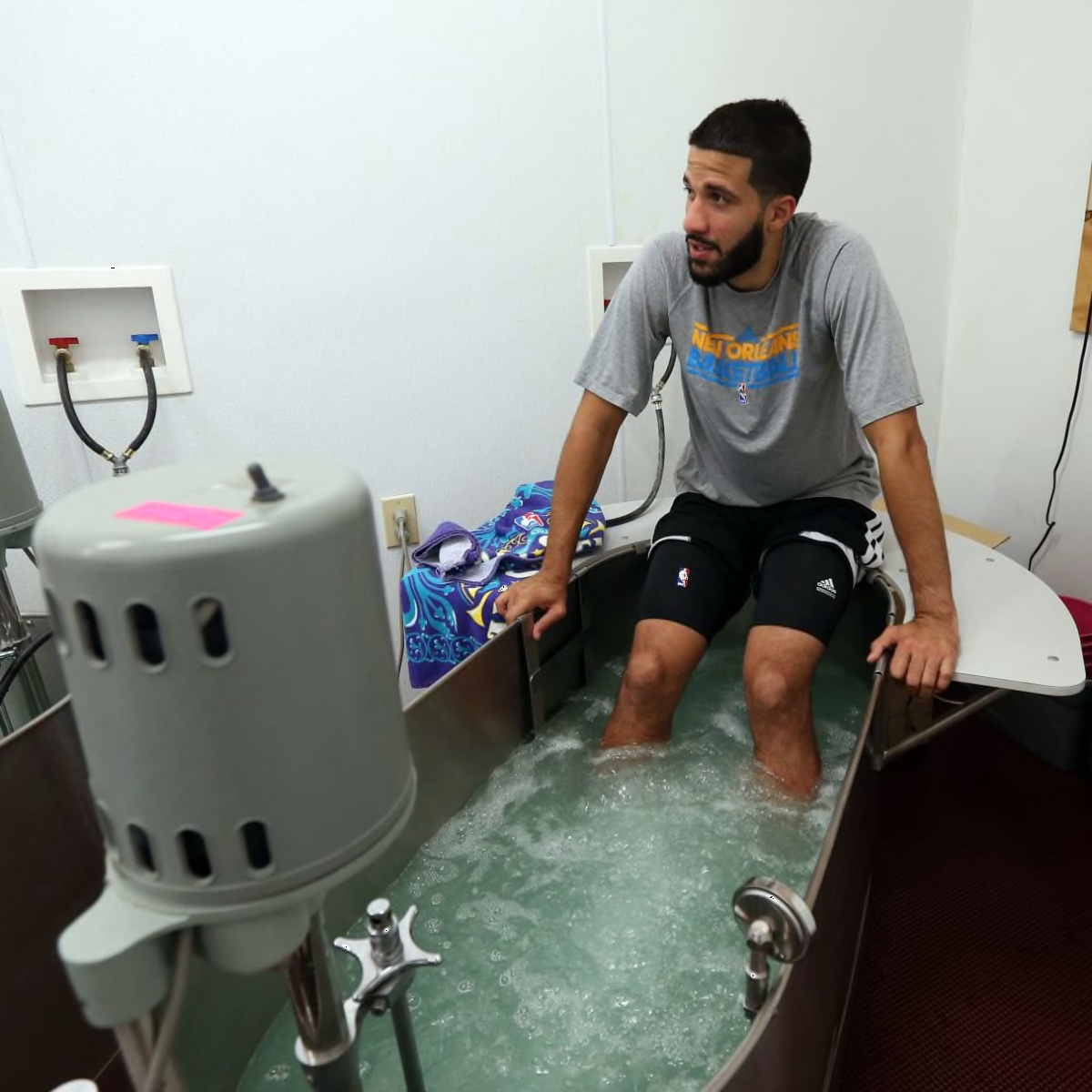
Ice baths aren’t a new fad—they have deep historical roots. Ancient Romans incorporated cold plunges in their bathing rituals, recognizing the invigorating effects of cold water. In Scandinavia, the practice of alternating between sauna heat and ice-cold water has been a cultural tradition for centuries.
However, the systematic use of ice baths for athletic performance began in the late 20th century. Elite runners and football players started using cold immersion to reduce inflammation and speed recovery. By the early 2000s, professional basketball teams had incorporated ice baths into their standard recovery protocols, with players like Kobe Bryant and LeBron James becoming outspoken advocates for the practice.
Research has since validated many of the claimed benefits. A 2016 study published in the Journal of Strength and Conditioning Research found that regular cold water immersion significantly improved recovery times for basketball players during tournament play. Beyond physical recovery, researchers began noticing something equally important: ice baths were training mental resilience.
How Ice Baths Build Mental Toughness
The Mind-Body Connection in Cold Exposure
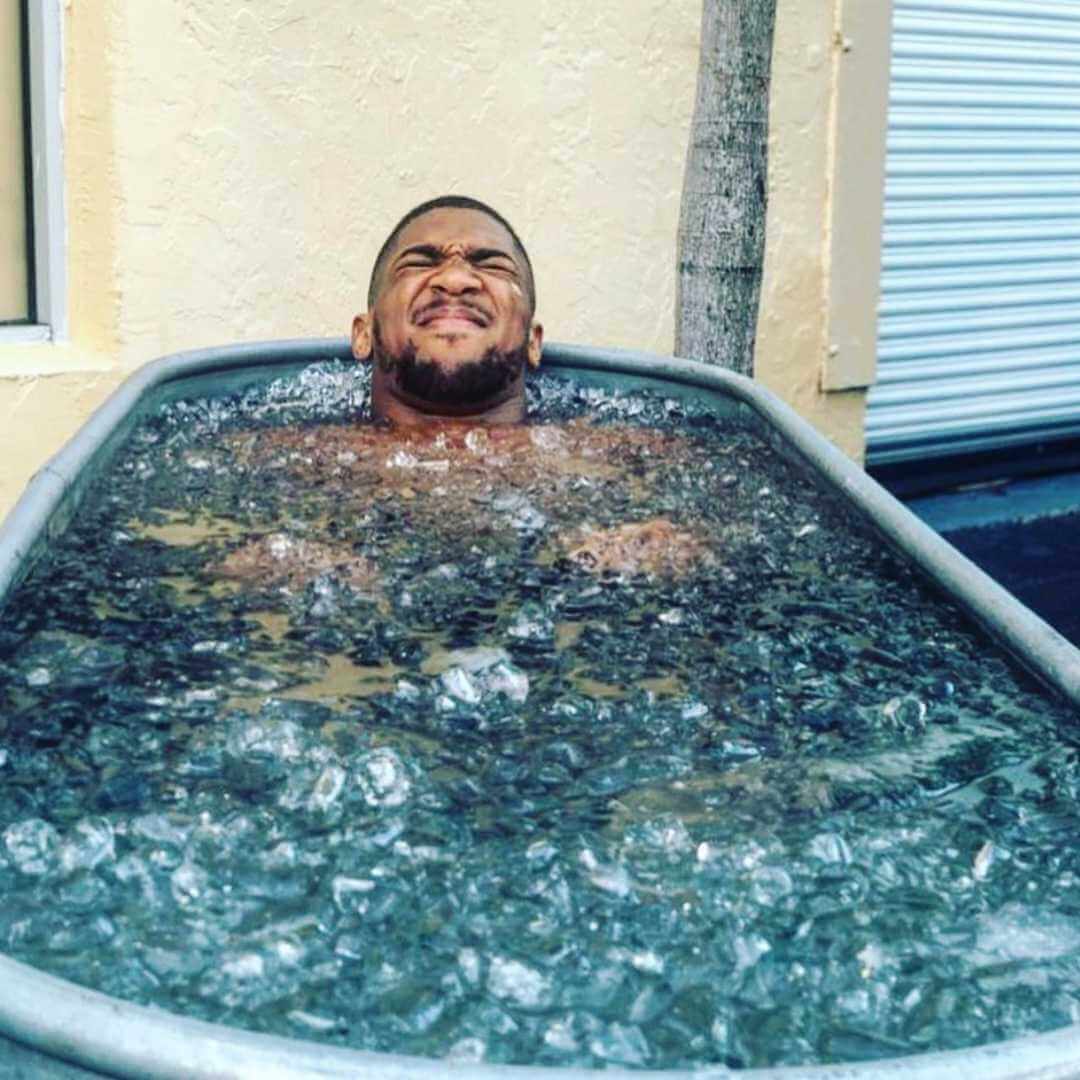
When you immerse yourself in ice-cold water, your body experiences an immediate stress response. Your breath quickens, your heart races, and every instinct tells you to get out. This is precisely where the mental training begins.
By voluntarily subjecting yourself to this controlled stress and choosing to remain calm, you’re developing what psychologists call “stress inoculation.” You’re teaching your nervous system to stay regulated under extreme circumstances—a skill that directly translates to high-pressure moments in basketball.
“The ability to stay focused and make good decisions while physiologically stressed is exactly what separates good basketball players from great ones,” explains sports psychologist Dr. Sara Johnson. “The fourth quarter of a close game creates the same physiological stress responses as an ice bath. Athletes who have practiced staying calm in ice baths often report clearer thinking in clutch moments.”
The Science Behind the Mental Benefits
When you enter an ice bath (typically 50-59°F/10-15°C), your body releases a cascade of neurochemicals including:
- Norepinephrine: Increases focus and attention
- Dopamine: Improves mood and motivation
- Endorphins: Natural pain killers that create feelings of well-being
Regular exposure to this cold-induced neurochemical cocktail has been shown to improve mental resilience and may even help reduce symptoms of anxiety and depression. Athletes report improved sleep quality, better stress management, and enhanced mood regulation—all critical factors for maintaining focus during intense basketball games.
Practical Applications for Basketball Players
How Cold Exposure Translates to Court Performance
The mental fortitude developed through regular ice bath practice manifests in several basketball-specific ways:
- Improved focus during fatigue: Late-game free throws require maximum concentration despite physical exhaustion—exactly the skill ice baths help develop. This can be particularly valuable when improving your free throw shooting under pressure.
- Better stress management: When the opposing team goes on a scoring run, players who practice cold exposure tend to stay calmer and maintain strategic thinking.
- Enhanced pain tolerance: Basketball involves constant physical contact. Regular ice baths help players push through the discomfort of physical play without losing focus.
- Faster mental recovery between plays: The ability to quickly reset mentally after a mistake is crucial in basketball. Cold exposure training improves this mental recovery speed.
NBA shooting guard Kyle Korver once noted, “Ice baths taught me how to be comfortable being uncomfortable. That translates directly to how I handle pressure situations in games.”
Getting Started with Ice Baths for Basketball Players
Beginner’s Guide to Cold Exposure
If you’re new to ice baths, start gradually:
- Begin with cold showers: Spend 30 seconds under cold water after your normal shower, gradually increasing duration.
- Progress to ice bath “dips”: Fill a tub with cold water (no ice yet) and immerse yourself for 1-2 minutes.
- Work up to full ice baths: Add ice to reach 50-59°F/10-15°C and start with 3-minute immersions, eventually building to 5-10 minutes.
- Practice mindful breathing: Focus on slow, deep breaths through your nose while immersed—this same breathing technique can be used during intense game moments.
- Consistency is key: 2-3 sessions per week is ideal for developing both physical and mental benefits.
Timing Your Ice Baths for Maximum Benefit
For basketball players, timing matters:
- Post-game recovery: Within 30 minutes after intense games to reduce inflammation and speed recovery
- Mental training: Schedule dedicated ice bath sessions on lighter training days to focus on the mental aspects
- Pre-competition preparation: Some players include ice baths in their regular routine 48-72 hours before important games

Common Mistakes When Starting Ice Bath Training
Many basketball players make these errors when beginning cold exposure training:
- Going too cold, too fast: This can shock your system and create negative associations
- Inconsistent practice: Mental benefits require regular exposure
- Focusing only on physical recovery: Missing the opportunity for mental training
- Poor breathing technique: Holding your breath or breathing shallowly reduces benefits
- Not creating mental linkage to basketball performance: The key is to consciously connect the mental skills from ice baths to on-court situations
To maximize your training experience, consider combining ice bath routines with other basketball training techniques to create a comprehensive development program.
Building Your Ice Bath Routine for Basketball Success
Sample Weekly Schedule for In-Season Players
- Monday (recovery day): 5-minute ice bath focusing on breathing techniques
- Wednesday (after practice): 8-minute ice bath with visualization of game scenarios
- Friday (preparation): 5-minute ice bath with mental rehearsal of upcoming game situations
- Sunday (after game): 10-minute recovery ice bath focusing on physical recovery
Mental Exercises to Combine with Ice Baths
Maximize mental toughness development by adding these practices during your ice bath:
- Visualization: Imagine yourself maintaining focus during high-pressure game moments
- Positive self-talk: Practice the exact phrases you’ll use during challenging game situations
- Goal setting: Use the clarity that often comes during cold exposure to set specific performance goals
- Mindfulness practice: Develop present-moment awareness that translates to better on-court focus
These mental exercises complement the physical training you might get from essential warm-up drills and help create a more comprehensive approach to mental preparation.
Conclusion
Ice baths offer basketball players a unique two-for-one benefit: enhanced physical recovery paired with substantial mental toughness training. This combination makes cold exposure a particularly valuable practice for basketball players looking to elevate their mental game.
The ability to stay calm under pressure, maintain focus despite discomfort, and quickly recover from setbacks are all mental skills that separate good players from great ones. Regular ice bath practice develops precisely these abilities through controlled exposure to stress in a way that directly transfers to on-court performance.
As you develop your ice bath practice, remember that the physical discomfort is temporary, but the mental fortitude you’re building will serve you throughout your basketball career and beyond. Consider incorporating this practice alongside your training for explosiveness, strength, and speed for maximum athletic development.
FAQ
How cold should an ice bath be for basketball players?
For optimal benefits, aim for 50-59°F (10-15°C). This temperature is cold enough to trigger the beneficial physiological responses without being dangerously cold.
How long should basketball players stay in an ice bath?
Beginners should start with 2-3 minutes and gradually build up to 5-10 minutes. Elite players sometimes extend to 15 minutes, but longer isn’t necessarily better.
Can ice baths help with basketball-related anxiety?
Yes. Research shows regular cold exposure can help regulate the nervous system’s response to stress, potentially reducing performance anxiety during games. This can be particularly helpful for players working on building defensive confidence.
How soon after a basketball game should I take an ice bath?
Ideally within 30 minutes for maximum physical recovery benefits. However, dedicated mental training ice baths can be done at any time.
Are ice baths better than contrast therapy (alternating hot and cold)?
Both have benefits. Ice baths may be superior for mental toughness training, while contrast therapy might offer other recovery advantages. Many basketball players incorporate both methods.
Can ice baths help with injury prevention?
While primarily a recovery tool, regular ice bath use may contribute to injury prevention by improving circulation and reducing inflammation. For more comprehensive injury prevention, consider reading about helping players cope with injuries.