
Why Basketball Might Be the First Place You Learn Emotional Control
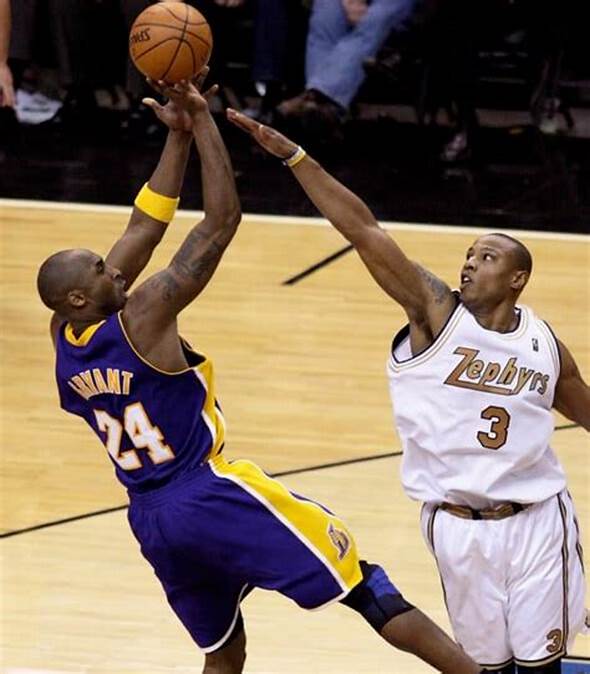
Basketball is so much more than just putting a ball through a hoop. For many young players, the court becomes their first real classroom for one of life’s most crucial skills: emotional control. When the pressure’s on, the score is tight, and emotions run high, basketball teaches lessons that extend far beyond the final buzzer.
The Emotional Rollercoaster of Basketball
Ever watched a basketball game? The intensity is palpable. Players experience a whirlwind of emotions in just 48 minutes—exhilaration after a perfect three-pointer, frustration when calls don’t go their way, disappointment after a missed opportunity, and pure joy when securing a win.
Professional players understand this well. They’ve learned that maintaining emotional control isn’t just beneficial—it’s essential for success. Young players who struggle with anger often find their performance deteriorating as emotions take over, creating a negative spiral that’s hard to break.

Why Basketball is Uniquely Suited for Teaching Emotional Control
Basketball creates the perfect environment for developing emotional regulation skills for several reasons:
1. Immediate Consequences
In basketball, losing your cool has instant consequences. A technical foul, an ejection, or even losing the trust of your teammates can happen in seconds. This immediate feedback loop helps players understand the direct relationship between emotions and performance. When you’re working on improving your basketball IQ, emotional control becomes a critical component that can make or break your decision-making ability.
2. High-Pressure Situations
Few youth activities create the level of pressure that basketball does. That last-second free throw with the game on the line? It’s a pressure cooker that forces young athletes to find their calm amid chaos. Learning how to improve free throw shooting under pressure isn’t just about technique—it’s about mastering your emotions when it matters most.
3. Team Dynamics and Accountability
Basketball is a team sport where emotional outbursts don’t just affect the individual—they impact the entire team. This creates a natural accountability system where players learn to regulate emotions for the good of the group. The life lessons in basketball often center around these powerful team dynamics.
4. Constant Adaptation Required
Basketball demands rapid adjustment to changing situations. Players must constantly shift between offense and defense, adjust to different game situations, and respond appropriately to various challenges. This constant need for adaptation builds emotional flexibility—a key component of mental toughness.
Key Emotional Control Skills Developed Through Basketball
Managing Frustration
Every player faces setbacks—missed shots, bad calls, defensive breakdowns. Learning to move past these moments without dwelling on them is crucial for performance and mental health. Basketball teaches players that frustration is inevitable but manageable, especially when building unshakable mental toughness throughout a season.

Controlling Impulsive Reactions
Basketball teaches players to pause before reacting. When players lose their cool on the court, they lose focus, their anxiety increases, and the mind-body control needed for muscle memory can vanish. Players learn that a momentary emotional reaction can cost their team valuable points or possessions.
Building Confidence Amid Uncertainty
Basketball helps young players develop a stable sense of self-worth that isn’t entirely dependent on outcomes. This confidence built through basketball translates directly to life off the court. As players work on building defensive confidence, they’re simultaneously building internal resilience.
Performing Under Pressure
The ability to execute skills when it matters most is a hallmark of emotional control. Young players can develop techniques like controlled breathing exercises to manage pre-game nerves and perform well under pressure. Understanding how your brain reacts in a big game and how to stay in control can be transformative for performance.
How Basketball Builds These Skills in Practice
1. Structured Training Programs
Research has shown that structured mental toughness training programs can significantly improve emotional control in young basketball players. These programs focus on building awareness of emotional states and developing coping strategies for high-pressure situations.
2. Game Situations That Test Emotional Control
Coaches deliberately create challenging game scenarios during practice to help players develop emotional resilience. Quality basketball coaching often includes creating pressure situations where players learn to maintain composure and make good decisions despite emotional challenges.
3. Team Feedback Systems
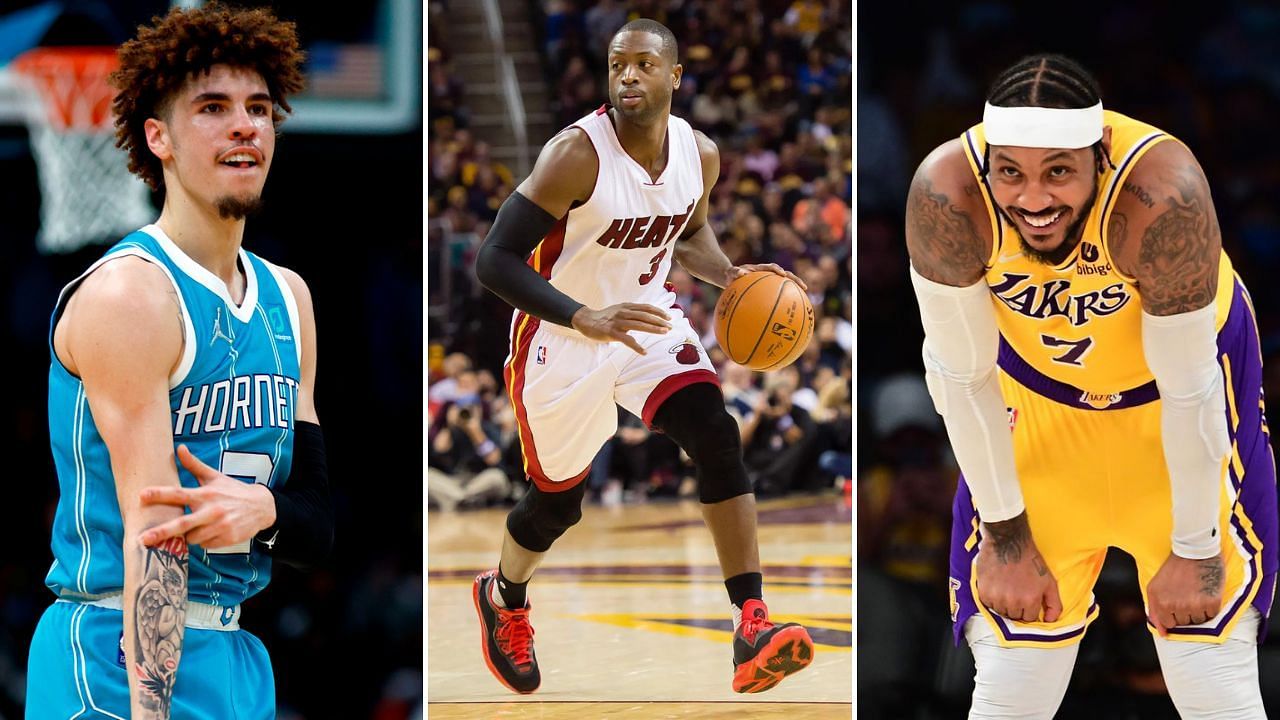
Basketball creates natural feedback systems where teammates and coaches can help players recognize and manage their emotional responses. These feedback loops are especially important during basketball drills for kids, where young players are just beginning to develop their emotional awareness.
4. Goal Setting and Emotional Management
Setting specific, achievable goals helps players focus on process rather than just outcomes, reducing emotional volatility. When players focus on improving specific skills like mastering ball handling or perfecting shooting form, they have clear metrics for success beyond winning or losing.
Beyond the Court: Life Skills That Transfer
The emotional control skills learned on the basketball court extend far beyond the game:
Academic Performance
The focus and emotional regulation learned in basketball help students manage test anxiety and academic pressure.
Conflict Resolution
Players learn to address conflicts constructively rather than reactively—a vital skill for personal and professional relationships.
Stress Management
The coping mechanisms developed on the court become lifelong tools for managing stress in any situation.
Leadership Development
Basketball offers the chance to play in important situations, allowing players to develop leadership qualities by facing pressure and learning to make decisions under stress—skills that extend well beyond the core basketball fundamentals.
How Parents and Coaches Can Support Emotional Development
Create Safe Spaces for Emotional Expression
When young players get upset, telling them “not to get upset” isn’t helpful. Instead, acknowledge their anger or frustration while helping them understand that letting that negativity control them will only hurt their game.
Model Emotional Control
Coaches must be role models of poise and self-control. Players will feed off coaches’ emotions and draw confidence from their mental toughness. Parents play a crucial role too, especially when coaching youth basketball.
Use Video Review
Recording games and reviewing them later can be eye-opening for young players who are often surprised to see how they act in the heat of the moment. This creates awareness about emotional responses that might otherwise go unnoticed and can be a powerful tool when mastering basketball film analysis.
Implement Mindfulness Practices
Simple mindfulness exercises before practice or games can help players develop awareness of their emotional states. These practices complement traditional basketball warm-up drills by preparing players mentally as well as physically.
Conclusion: The Court as an Emotional Laboratory
Basketball creates a unique training ground for emotional development—a fast-paced environment where young players can experience, express, and learn to regulate intense emotions in real-time. The lessons learned on the court about controlling frustration, managing pressure, and maintaining focus despite emotional challenges provide a foundation for emotional intelligence that serves players throughout their lives.
Whether your child becomes the next NBA star or simply enjoys playing basketball recreationally, the emotional control skills they develop on the court will be some of the most valuable takeaways from their time in the sport. The ability to remain calm under pressure, bounce back from disappointment, and channel emotions productively aren’t just basketball skills—they’re life skills that begin with those first experiences of learning to control emotions on the court.
FAQ: Basketball and Emotional Control
At what age should children start learning emotional control through basketball?
Children as young as 7-8 years old can begin learning basic emotional control skills through basketball, though expectations should be age-appropriate. The structured environment helps introduce concepts of emotional regulation in a supportive setting.
How can I tell if my child is developing good emotional control through basketball?
Look for signs of improvement in how they handle disappointment during games, their ability to refocus after mistakes, and whether they can maintain composure during high-pressure situations. These indicators suggest growing emotional maturity.
What should I do if my child struggles with emotional control on the court?
Work with their coach to implement specific strategies, such as breathing techniques or a personal signal that reminds them to reset emotionally. Helping players cope with setbacks, whether physical or emotional, requires patience and consistent, supportive feedback.
Can emotional control skills learned in basketball help with school performance?
Absolutely! The ability to manage frustration, focus despite distractions, and perform under pressure directly translates to academic settings, particularly during tests, presentations, and challenging assignments.
How long does it take to develop good emotional control through basketball?
Emotional control is an ongoing process rather than a destination. Most players show noticeable improvement within a season of consistent practice and coaching, but mastery continues to develop throughout their playing years—and beyond.
Make sure to check out our free basketball drills to improve your game that incorporate mental toughness training along with physical skills development!