

Yoga for Basketball Players: Ancient Practice, Modern Recovery – The Ultimate Flexibility Guide
Basketball demands explosive power, agility, and quick directional changes that put immense stress on players’ bodies. The constant jumping, sprinting, and physical contact can lead to muscle fatigue, joint stress, and injuries that hinder performance and longevity. Enter yoga – an ancient practice that’s becoming a secret weapon for basketball players looking to enhance recovery and flexibility while extending their careers.
While strength training and conditioning have long been staples of basketball training regimens, more players and coaches are discovering that yoga offers unique benefits that traditional workouts can’t replicate. This comprehensive guide explores yoga’s origins, its specific applications for basketball recovery, and practical routines that players can incorporate immediately to experience improved flexibility, faster recovery times, and reduced injury risk.
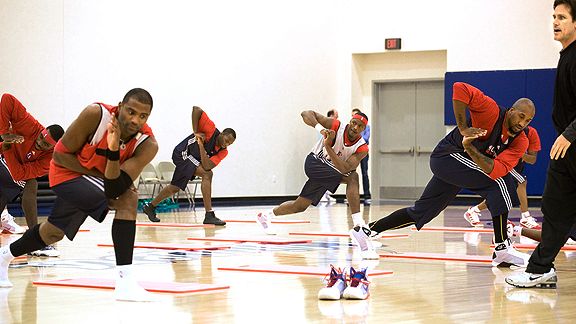
The Ancient Roots of Yoga and Its Journey to Modern Basketball Courts
Yoga originated over 5,000 years ago in Northern India as a spiritual discipline focused on harmonizing mind and body. The word “yoga” derives from Sanskrit, meaning “to join” or “to unite.” What began as a philosophical practice evolved through centuries into various forms, with Hatha yoga—focusing on physical postures (asanas), breathing techniques (pranayama), and meditation—becoming the foundation for most modern yoga styles.
Basketball and yoga might seem worlds apart, but their connection grew stronger when NBA legends like Kareem Abdul-Jabbar attributed their career longevity partly to yoga practice. Abdul-Jabbar, who played until age 42, embraced yoga in the 1970s when it was still considered unconventional for athletes.
Today, many NBA teams employ yoga instructors as part of their training staff. Players like LeBron James, Kevin Love, and Blake Griffin have spoken openly about incorporating yoga into their recovery routines, helping transform yoga from an alternative practice to a mainstream basketball training component.
How Yoga Accelerates Basketball Recovery
Basketball places unique demands on players’ bodies. Here’s how yoga specifically addresses basketball recovery needs:
Muscle Recovery Enhancement
Basketball involves repetitive explosive movements that create micro-tears in muscle fibers. Yoga’s gentle stretching increases blood flow to damaged tissues, delivering oxygen and nutrients essential for repair while removing metabolic waste products like lactic acid.
Research from the International Journal of Sports Medicine shows that yoga can reduce recovery time between intense training sessions by up to 15% compared to passive recovery methods. This faster recovery translates to more productive practice sessions and better game-day performance.
Reducing Inflammation
The constant jumping in basketball creates significant impact force on joints. A study in the Journal of Physical Activity and Health found that regular yoga practice reduced inflammatory markers in athletes by 20-35%, helping minimize post-game swelling and soreness.
Specific postures like legs-up-the-wall pose (Viparita Karani) promote lymphatic drainage, helping basketball players manage inflammation naturally after intense games or practices.
Mental Recovery and Stress Reduction
Basketball demands mental sharpness as much as physical prowess. Yoga’s meditative aspects trigger the parasympathetic nervous system—responsible for “rest and digest” functions—lowering cortisol levels and promoting relaxation.
A 2019 study by the University of California found that athletes who practiced yoga for just 20 minutes daily experienced a 27% improvement in sleep quality and reported feeling more mentally refreshed between competitions. This mental clarity is crucial for improving basketball IQ and on-court decision-making.

Flexibility Benefits for Basketball Players
Basketball requires a unique combination of strength and flexibility. Here’s how yoga specifically enhances basketball-related flexibility:
Increased Range of Motion
Basketball players need exceptional hip, shoulder, and ankle mobility. Yoga postures systematically work through these joint ranges, gradually increasing freedom of movement.
Research from the International Journal of Sports Physical Therapy demonstrated that basketball players who practiced yoga twice weekly gained an average of 13% greater hip flexion range and 9% increased shoulder external rotation after eight weeks—both crucial movements for shooting and defensive positioning.
Balance Between Strength and Flexibility
Basketball training often creates muscle imbalances—overdeveloped quads relative to hamstrings or tight hip flexors from defensive stances. Yoga restores balance by strengthening underused muscles while lengthening overactive ones.
This balanced approach helps prevent the common basketball injuries that result from muscle imbalances, like jumper’s knee or IT band syndrome. For players already dealing with injuries, yoga can be part of a comprehensive recovery strategy.
Dynamic Flexibility Development
Unlike static stretching alone, yoga develops both static and dynamic flexibility. Flowing sequences like Sun Salutations teach muscles to maintain length while moving—exactly what basketball players need when changing direction quickly on the court.
Essential Yoga Poses for Basketball Players
These specific yoga poses address the unique needs of basketball players:
For Lower Body Recovery and Flexibility
- Warrior I (Virabhadrasana I) – Strengthens quadriceps while stretching hip flexors and calves—all crucial for jumping power and landing stability.
- Pigeon Pose (Eka Pada Rajakapotasana) – Opens tight hip rotators that restrict lateral movement on defense.
- Downward-Facing Dog (Adho Mukha Svanasana) – Relieves calf and hamstring tightness that can limit vertical jump height.
For Upper Body Recovery and Flexibility
- Eagle Arms (Garudasana arms) – Releases tension between shoulder blades from repetitive shooting motions.
- Thread the Needle Pose – Opens the shoulders and upper back, improving shooting form and overhead reach.
- Cow Face Pose (Gomukhasana) – Creates balanced shoulder flexibility, crucial for shooting consistency.
For Core Stability and Balance
- Boat Pose (Navasana) – Strengthens deep core muscles that stabilize players during contact.
- Side Plank (Vasisthasana) – Develops lateral core strength needed for defending and driving.
- Chair Pose (Utkatasana) – Builds lower body endurance while improving proprioception.
Implementing a Basketball-Specific Yoga Routine
Post-Game Recovery Sequence (15-20 minutes)
Immediately after games, this gentle sequence improves circulation to stressed tissues:
- Child’s Pose (30 seconds)
- Cat-Cow Stretches (8-10 repetitions)
- Supine Twist (30 seconds each side)
- Legs-Up-The-Wall Pose (3-5 minutes)
- Corpse Pose with deep breathing (5 minutes)
Off-Day Flexibility Routine (30-40 minutes)
On rest days, this more comprehensive practice addresses basketball-specific flexibility needs:
- Sun Salutations (5 minutes)
- Warrior I, II, and III Series (8 minutes)
- Balance Poses (Tree, Eagle) (5 minutes)
- Hip Openers (Pigeon, Lizard) (10 minutes)
- Gentle Backbends (Bridge, Bow) (5 minutes)
- Final Relaxation (5 minutes)
Pre-Practice Activation (10 minutes)
Before practice, this dynamic sequence prepares the body for basketball movements:
- Half Sun Salutations (2 minutes)
- Low Lunge with twists (2 minutes)
- Triangle Pose variations (3 minutes)
- Warrior II flowing to Side Angle (3 minutes)
This pre-practice routine can be especially valuable as part of a comprehensive warm-up strategy before intense training.

Common Mistakes Basketball Players Make With Yoga
- Pushing Too Hard Too Soon – Basketball players are naturally competitive and often force themselves into advanced poses before they’re ready. Start with beginner-friendly variations.
- Skipping Breath Work – The breathing techniques in yoga are as valuable as the poses themselves for recovery. Focus on deep, rhythmic breathing throughout your practice.
- Inconsistent Practice – Occasional yoga won’t deliver significant benefits. Even 15 minutes daily is more effective than a single 90-minute weekly session.
- Ignoring Restorative Yoga – Power yoga isn’t always best for recovery. Restorative and yin yoga styles often provide greater recovery benefits for basketball players.
Similarly, many players make the mistake of focusing only on the physical aspects of yoga and missing out on the mental benefits that can help them avoid turnovers and make better decisions during high-pressure situations.
Frequently Asked Questions
How quickly will yoga improve my basketball recovery?
Most players notice improved sleep quality and reduced muscle soreness within 2-3 weeks of regular practice. Significant flexibility gains typically require 6-8 weeks of consistent training.
Can yoga replace my regular stretching routine?
Yoga offers more comprehensive benefits than static stretching alone, including strength development, balance improvement, and mental recovery. Many players gradually transition from traditional stretching to yoga-based recovery routines.
How often should basketball players practice yoga?
For optimal recovery and flexibility benefits, aim for 3-4 sessions weekly, with at least one longer session (30+ minutes) and several shorter sessions (10-15 minutes) following practices or games.
Will yoga make me less explosive or powerful?
No—quite the opposite. By improving range of motion and muscle balance, yoga enhances force production and reduces energy leakage during explosive movements, potentially improving vertical jump and first-step quickness.
Can I practice yoga during the basketball season?
Absolutely. Many professional players incorporate yoga year-round, adjusting the intensity and duration based on their competitive schedule. During the season, recovery-focused practices are particularly valuable.
Conclusion
Yoga offers basketball players a comprehensive approach to recovery and flexibility that complements traditional training methods. Beyond the physical benefits of improved range of motion and faster recovery, yoga’s mental aspects help players develop focus, body awareness, and stress management skills that translate directly to on-court performance.
As basketball continues evolving toward a science-based approach to player development and longevity, yoga stands out as a time-tested practice that addresses the modern player’s needs. Whether you’re looking to extend your career, reduce injury risk, or simply feel better between games, a consistent yoga practice tailored to basketball’s specific demands can be a game-changing addition to your training regimen.
Make yoga part of your basketball fundamentals and experience the difference in your recovery, flexibility, and overall performance.
Ready to take your basketball recovery to the next level?
Check out basketballfundamentals.com for more information on incorporating yoga into your training routine! Our free video tutorial series demonstrates all the poses mentioned in this guide, with basketball-specific modifications to maximize your results. Visit our site today to learn more essential basketball fundamentals that will elevate your game!