
How to Stay in Love with the Game Through Injuries, Slumps, and Setbacks
When the Game Feels Like It’s Breaking Up with You
The squeak of shoes on hardwood, the perfect swish of the net – these sounds create a rhythm basketball players live for. But what happens when injury sidelines you, or when your shooting percentage plummets? How do you stay connected to a game that suddenly feels distant?
Navigating Basketball Injuries: The Physical Challenge
Injuries are perhaps the most frustrating obstacle for basketball players. They force an unwanted break in your relationship with the game and can trigger fears about your basketball future.
Common Basketball Injuries and Recovery Timetables:
- Ankle sprains: 1-6 weeks depending on severity
- Knee injuries (ACL/MCL): 6-12 months
- Finger/hand injuries: 2-8 weeks
- Stress fractures: 6-8 weeks
- Basketball tendinitis: 2-4 weeks with proper rest
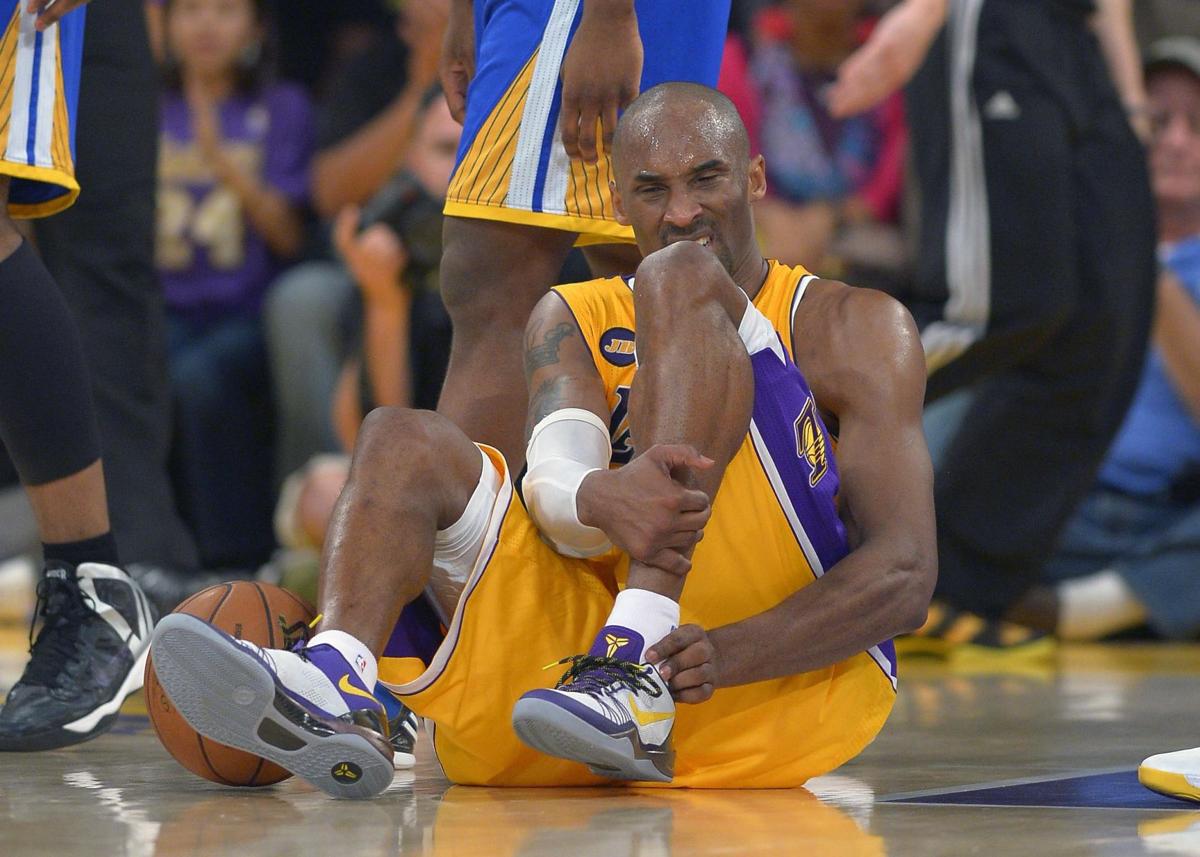
Staying Connected During Injury Recovery:
- Become a student of the gameWhen you can’t play, immerse yourself in basketball strategy. Watch game film, study plays, and analyze professional games with a critical eye. Many elite players report that injury time-outs actually improved their basketball IQ. Use this downtime to deepen your understanding of the game.
- Focus on what you CAN doWork with your physical therapist or athletic trainer to create modified workouts that maintain your fitness without risking re-injury. If your upper body is injured, train your lower body, and vice versa. Check out our guide on preventing basketball injuries for more specific advice.
- Visualization practiceResearch published in the Journal of Sports Science shows that mental rehearsal activates many of the same neural pathways as physical practice. Spend 10-15 minutes daily visualizing your skills and game situations. This mental training can help maintain neural pathways even when you can’t physically practice.
- Stay connected to your teamAttend practices and games even when you can’t participate. Offer to help track stats, analyze opponent tendencies, or mentor younger players. Maintaining team relationships prevents isolation and keeps you engaged with the sport. Our article on helping players cope with injuries provides additional strategies for coaches and teammates.

Shooting Slumps: The Technical Challenge
Every basketball player knows the frustration of a shooting slump – when the rim seems to shrink and even wide-open shots won’t fall.
Breaking Through a Basketball Shooting Slump:
- Return to fundamentalsShooting slumps often stem from subtle form changes. Record your shooting form and compare it to footage from when you were shooting well. Check for changes in your elbow alignment, release point, follow-through, and foot positioning. Our guide on mastering proper basketball shooting form can help you identify issues.
- Implement the 100-shot drillCommit to 100 quality shots daily from your most confident spot before expanding your range. Track your percentages to measure improvement objectively rather than relying on feeling. For more shooting drills, check out our advanced shooting drills collection.
- Create a pre-shot routineConsistent pre-shot routines create muscle memory and reduce overthinking. Keep it simple – perhaps a single dribble, deep breath, and focus point on the rim. Learning to shoot under pressure begins with these consistent routines.
- Embrace the slumpBasketball shooting coach Drew Hanlen advises players to “get comfortable being uncomfortable.” Acknowledge the slump without letting it define your entire game. Continue contributing through defense, rebounding, and playmaking.
Mental Fatigue: The Psychological Challenge
Basketball demands extraordinary mental resilience. Long seasons, performance pressures, and the inevitable comparisons to teammates and opponents can drain your passion.
Rekindling Basketball Motivation:
- Remember your “why”Reconnect with your original reasons for playing basketball. Was it the joy of competition? The camaraderie? The physical challenge? Write down your basketball purpose and revisit it regularly. Sometimes reflecting on the life lessons basketball teaches can reconnect you to your deeper motivations.
- Create process-focused goalsRather than fixating solely on outcomes (points, wins), set daily process goals within your control, such as taking 50 game-speed shots, making 10 defensive stops in practice, or executing team plays correctly. These small wins build confidence and momentum.
- Implement mindfulness practiceA 2021 study of collegiate basketball players showed that those who practiced 10 minutes of mindfulness daily reported greater focus, reduced anxiety, and improved performance satisfaction. Try apps like Headspace or Calm for guided sessions, or check our guide on building mental toughness.
- Take strategic breaksSometimes the best way to renew your basketball passion is to step away briefly. A 2-3 day complete break can refresh both body and mind. During this time, avoid basketball content and engage in activities that bring joy outside the sport.

Building Basketball Resilience: Long-Term Strategies
Beyond addressing specific challenges, these practices help foster enduring basketball passion:
- Diversify your basketball identityDevelop multiple basketball skills so your confidence doesn’t depend entirely on one aspect of your game. If you’re primarily a shooter, work on becoming a lockdown defender or crafty passer. Our guide on 10 ways to improve your basketball game can help expand your skill set.
- Create a basketball support networkSurround yourself with people who understand the basketball journey – teammates, coaches, mentors who can provide perspective during difficult periods. Share basketball struggles rather than internalizing them.
- Document your basketball journeyKeep a basketball journal tracking not just stats but also learnings, breakthroughs, and feelings about the game. This record provides perspective when challenges arise, similar to how coaches use film analysis to identify patterns in performance.
- Find joy in small basketball momentsBasketball isn’t just about championships or starting roles. Train yourself to appreciate small victories: the perfect bounce pass, a well-executed defensive rotation, or mentoring a younger player. Reading inspiring basketball quotes can help maintain this perspective.
Frequently Asked Questions About Basketball Motivation
How long do basketball shooting slumps typically last?
Most shooting slumps resolve within 2-3 weeks with dedicated practice, though some may persist longer. Professional shooting coach Dave Hopla suggests tracking your attempts and makes to maintain objective perspective rather than relying on feelings. Understanding proper ball rotation can accelerate your recovery from a slump.
Should I play through basketball pain?
Minor discomfort is sometimes manageable, but pain that alters your movement patterns or persists beyond temporary muscle soreness warrants medical attention. Playing through significant pain often leads to compensatory movements that create new injuries. Consider proper supportive equipment for minor issues.
How do elite basketball players stay motivated through long seasons?
NBA and professional players typically break the season into smaller segments with distinct goals. They also incorporate variety into training, celebrate small improvements, and maintain interests outside basketball to prevent burnout. Learning to understand how your brain reacts under pressure can help maintain motivation during challenging stretches.
What’s the difference between normal basketball frustration and actual burnout?
Temporary frustration passes with rest and perspective, while burnout involves persistent exhaustion, decreased performance despite effort, and loss of enjoyment in basketball activities you previously loved. If symptoms persist more than two weeks, consider speaking with a sports psychologist. Our article on how pros maintain their cool under pressure offers additional insights.
Keep Your Basketball Love Alive
Basketball, like any meaningful relationship, requires nurturing through difficult periods. By implementing these strategies, you’ll develop the resilience to weather injuries, slumps, and setbacks while maintaining your passion for the game.
Remember that every basketball great – from Michael Jordan to Stephen Curry – faced periods of doubt and difficulty. Their greatness came not just from talent but from their ability to persist when the game tested them.
Make sure to check out basketballfundamentals.com for more information! Our free video tutorials on basketball mental toughness and injury prevention can help you navigate these challenges more effectively. View our site for comprehensive resources on basketball fundamentals that will strengthen your relationship with the game you love.