
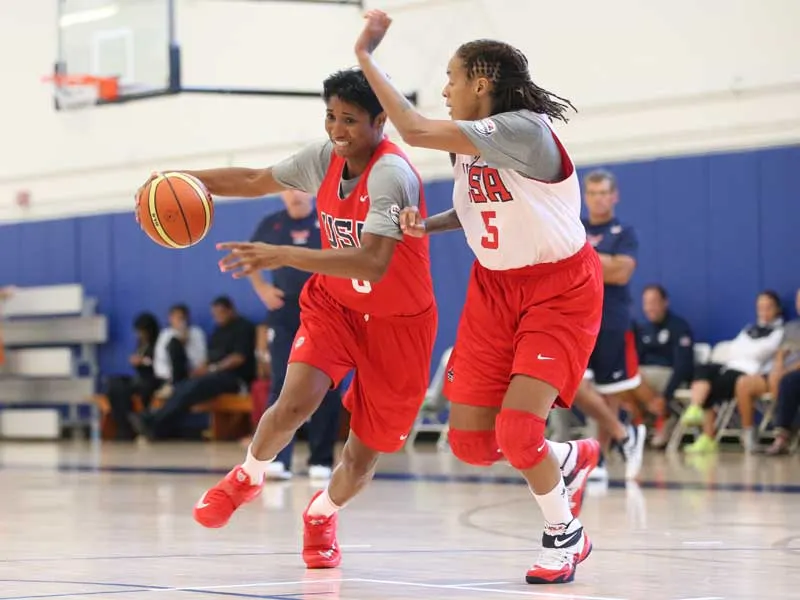
How to Control the Basketball Tempo Even If You’re Not the Point Guard
Most basketball players believe that controlling game pace is solely the point guard’s responsibility. However, every player on the court can influence tempo, regardless of position. Whether you’re a shooting guard, forward, or center, your actions directly impact how fast or slow your team plays. This guide reveals practical strategies for non-point guards to effectively control basketball tempo and become more valuable to your team.
What is Basketball Tempo?
Before diving into techniques, let’s understand what “tempo” actually means in basketball. Basketball tempo refers to the pace at which a game is played – whether fast-break oriented with quick shots or methodical with longer possessions. Teams that control tempo often win games by playing at a pace that favors their strengths while exposing opponents’ weaknesses.
To truly master tempo control, you’ll need to improve your basketball IQ and understand how different paces affect game outcomes. This knowledge forms the foundation for all the techniques we’ll cover.
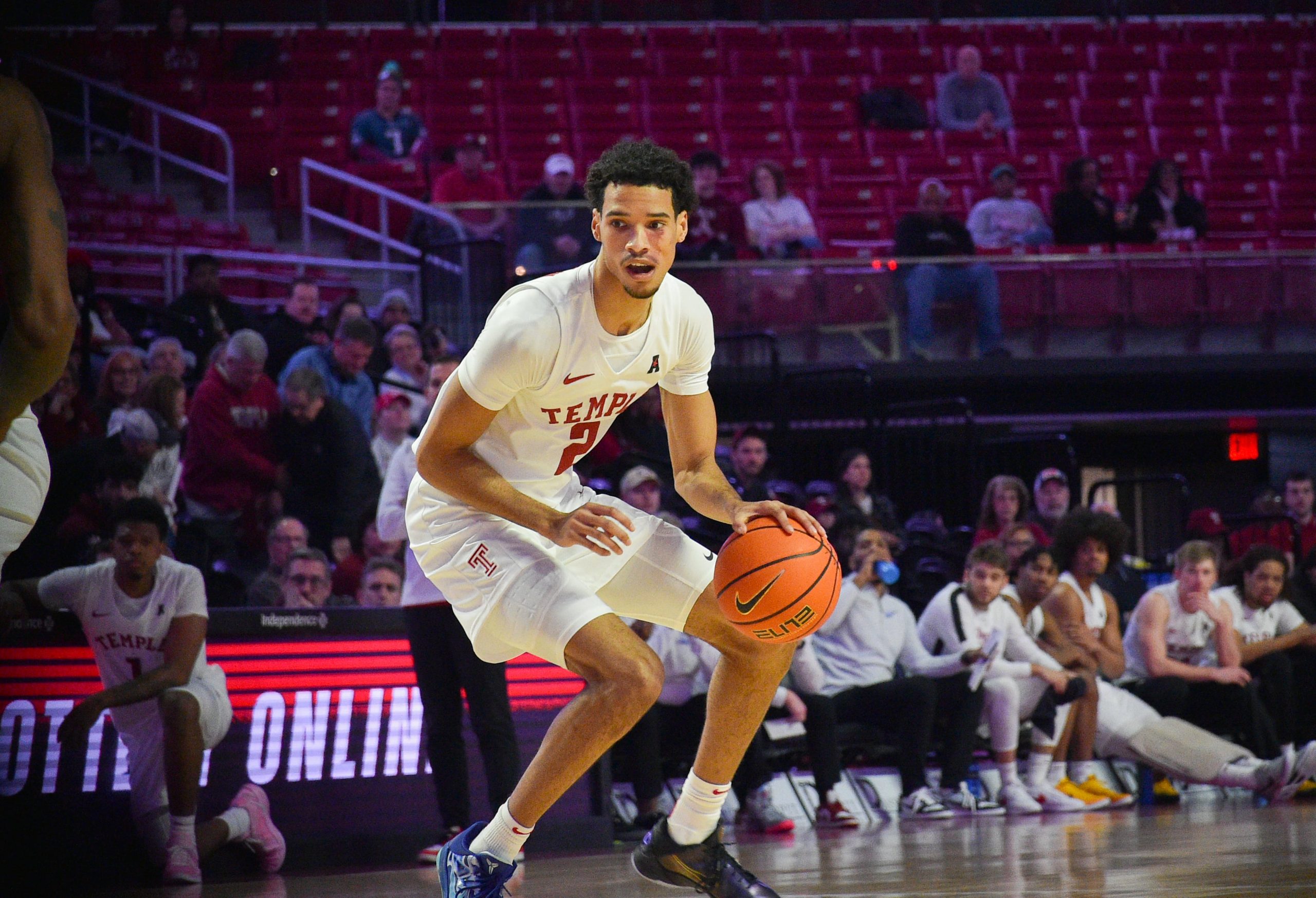
Why Every Player Should Know How to Control Tempo
Even without the ball in your hands constantly, you can significantly impact game speed. Here’s why this skill matters for all positions:
- Creates mismatches against opponents
- Helps your team regain momentum during scoring droughts
- Allows you to maximize your specific strengths
- Enables you to compensate when your point guard faces pressure
- Improves your basketball IQ and value to coaches
When you understand basketball terms and concepts related to tempo, you can better communicate with teammates during crucial game moments.
Key Techniques for Non-Point Guards to Control Tempo
1. Strategic Rebounding
Rebounding isn’t just about getting the ball – it’s about how you secure and release it. Mastering techniques like those found in becoming a beast on the boards can transform how you influence game pace.
For speeding up play:
- Grab rebounds firmly and look immediately for outlet passes
- Practice quick two-handed overhead passes to guards
- Develop peripheral vision to spot teammates breaking ahead
For slowing down play:
- Secure rebounds strongly with both hands
- Take a deliberate dribble before passing
- Look for your point guard rather than initiating fast breaks yourself
Research from basketball analytics firms shows teams that control rebounding tempo win 62% more close games in the final five minutes.
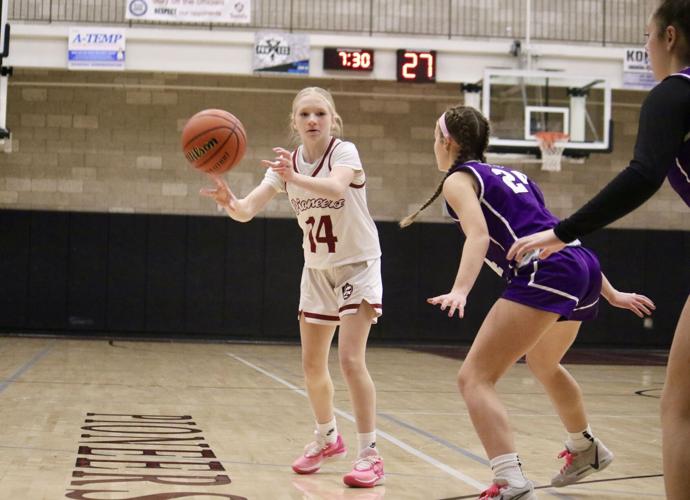
2. Off-Ball Movement Pacing
Your movement without the ball directly affects how quickly possessions develop. Learning how to move without the basketball is essential for controlling game pace as a non-ball-handler.
For faster tempo:
- Make decisive cuts at game speed
- Set quick screens and immediately slip or roll
- Minimize standing still – constant motion creates faster opportunities
For controlled tempo:
- Use more deliberate off-ball screens
- Make cuts that develop more slowly
- Position yourself strategically in spots that encourage longer possessions
Coach Mike Krzyzewski famously taught wing players at Duke to control games through off-ball movement timing, resulting in five national championships.
3. Screen Timing and Positioning
Screens are powerful tempo-control tools available to every player. Understanding how to pick and roll like a pro gives you tremendous influence over game pace.
For increasing pace:
- Set screens higher on the court (further from basket)
- Use “sprint” screens where you quickly set and move
- Focus on transition drag screens that create early offense
For decreasing pace:
- Set screens closer to the basket
- Use multiple screens in sequence
- Hold screens slightly longer (while avoiding illegal screens)
Even more important is understanding when to change your screening approach based on game situations. This is part of developing strong basketball IQ for making smart decisions in close games.
4. Defensive Positioning
Your defensive stance and positioning significantly impact the game’s pace. Practicing proper defense fundamentals is essential for tempo control.
For speeding up opponents:
- Apply targeted pressure on specific players
- Overplay passing lanes for steal opportunities
- Use strategic traps away from the main ball-handler
For slowing opponents down:
- Position yourself to force opponents toward the sidelines
- Stay disciplined in defensive stance
- Focus on forcing difficult shots late in the shot clock
Studies from basketball development programs show that wings who master defensive tempo tactics increase their playing time by an average of 7.4 minutes per game. For defenders looking to improve, these advanced defense drills can help develop the footwork and reactions needed for effective tempo control.
5. Communication Leadership
Vocal leadership allows any player to influence tempo without handling the ball.
For pushing pace:
- Call for quick outlets after rebounds
- Use specific terminology like “push” or “run”
- Provide real-time court awareness (“open middle!” or “trailer available!”)
For controlling pace:
- Use calm, measured communication
- Call out remaining shot clock time
- Remind teammates of specific play calls
College programs that emphasize communication from all five positions show a 23% decrease in turnovers when changing tempo. For young players, this is one of the valuable life lessons basketball teaches about leadership and communication.
Common Mistakes to Avoid
- Conflicting tempos: Not aligning your tempo strategy with teammates creates confusion
- Forcing pace changes: Trying to speed up or slow down at inappropriate times
- Ignoring matchups: Not adjusting tempo based on specific opponent strengths
- Telegraphing intentions: Making your tempo control too obvious to defenders
- Abandoning the plan: Giving up on tempo strategy after a few unsuccessful possessions
Many of these mistakes stem from poor decision-making. Learning how to read the game like a pro can help you avoid these pitfalls and make better tempo choices.
Practice Drills to Improve Tempo Control
1. Three-Lane Conditioning Drill
This drill improves your ability to change speeds as a non-ball handler:
- Divide court into three lanes
- Players without the ball run in outside lanes
- Practice speeding up and slowing down on command
- Focus on how quickly you can influence teammates’ pace
2. Rebounding Outlet Timing Drill
- Start under the basket in rebounding position
- On coach’s signal, catch rebounded ball
- Coach calls “fast” or “slow” tempo
- Practice appropriate rebounding technique for each tempo
- Perform outlet pass with correct timing and force
This drill combines elements from essential basketball drills and adapts them specifically for tempo control.
3. Screen-and-Replace Drill
- Set screens at different court locations
- Practice both quick “hit-and-go” screens and longer screens
- Focus on how screen timing affects offensive flow
- Work on communication during screen actions
To get the most out of these drills, combine them with essential warm-up drills that prepare your body for the quick reactions needed in tempo control.
Real Game Application
Applying tempo control effectively means recognizing game situations:
- When trailing late: Non-point guards should help increase tempo through quick rebounds and immediate deep positioning
- When protecting leads: Focus on deliberate cuts, stronger box-outs, and disciplined floor spacing
- Against pressure defense: Wings and forwards must become more active ball-handlers and tempo-setters
- Against zone defenses: Strategic screen positioning becomes critical for controlling pace
Understanding core basketball fundamentals allows you to apply these tempo techniques effectively in various game situations.
Remember, mental preparation is just as important as physical skills. Players who excel at tempo control also develop unshakable mental toughness that helps them make smart decisions under pressure.
Conclusion
Controlling basketball tempo isn’t reserved for point guards. As this guide demonstrates, every player on the court can significantly impact game pace through rebounding technique, off-ball movement, screen timing, defensive positioning, and vocal leadership. By developing these skills, you’ll become more valuable to your team and more difficult for opponents to handle.
The best basketball players understand that knowing when to speed up and when to slow down is just as important as any physical skill. Start implementing these strategies in your next practice, and you’ll notice immediate improvements in your ability to influence game flow.
FAQs About Controlling Basketball Tempo
Q: How can I tell if my team should play faster or slower?
A: Analyze your team’s strengths. If you have superior conditioning and athleticism, faster may be better. If you execute half-court sets well and have strong post players, a controlled pace might benefit you more. Understanding basketball positions and roles can help you determine your team’s optimal pace.
Q: Can controlling tempo really make a difference in close games?
A: Absolutely. Basketball analytics show that teams who successfully control tempo to their preference win approximately 68% of games decided by 5 points or fewer. This becomes even more crucial when you’re playing under pressure in big games.
Q: How do I convince my teammates to follow my tempo changes if I’m not the point guard?
A: Demonstrate the benefits in practice, communicate clearly during games, and make sure your coach understands what you’re trying to accomplish. Building trust through consistent performance is key.
Q: What’s the most common mistake players make when trying to control tempo?
A: Forcing tempo changes individually rather than working within the team concept. Effective tempo control requires all five players working together.
Q: How long does it take to develop good tempo control skills?
A: While basic concepts can be implemented immediately, mastering tempo control typically takes a full season of focused practice and game application. Like any basketball skill, it requires consistent strategic practice to develop fully.
Make sure to check out basketballfundamentals.com for more information! Be sure to view our free video tutorial on tempo control techniques and explore our site for more basketball fundamentals that will elevate your game.