
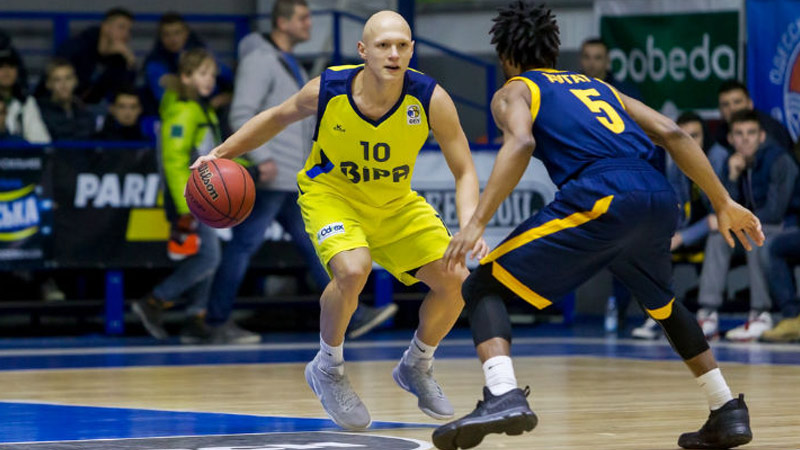
The Power of the Pause: How Hesitation Moves Create Open Shots in Basketball
In this guide, we’ll break down exactly how mastering the pause can elevate your game and create scoring opportunities that weren’t there before. Whether you’re a beginner looking to add your first go-to move or an experienced player seeking to refine your offensive arsenal, the hesitation move might be the game-changer you’ve been looking for.
What Makes the Hesitation Move So Effective?
The hesitation move works on a fundamental psychological principle: disrupting your defender’s timing and expectations. A hesitation or “hesi” is essentially a split-second freeze while dribbling that tricks defenders into changing direction, giving the ball handler a chance to move around them or take an open shot.
Unlike flashier moves that require elite athleticism, the hesitation move relies on something every player can develop – timing and deception. Here’s why it’s so powerful:
- Creates immediate separation from defenders who bite on the fake
- Works at any skill level from youth basketball to the NBA
- Requires minimal dribbling skills compared to complex crossovers
- Can be used anywhere on the court for drives or jump shots
- Keeps defenders guessing about your next move
While basketball is often celebrated for speed and agility, sometimes strategically slowing down can be just as effective. The beauty of hesitation lies in the element of surprise – it throws off the defender’s rhythm and makes them more likely to make a mistake.
Key Components of an Effective Hesitation Move
A perfect hesitation move isn’t just randomly slowing down your dribble. It’s a carefully crafted deception with several critical elements working together:
1. The Setup: Triple Threat Position
Begin in a triple-threat position where you’re a credible threat to either pass, shoot, or drive. The more of a threat you are to make a jump shot off the dribble, the more effective your hesitation move will become.
When defenders respect your shooting ability, they’ll react more dramatically to any move that looks like you’re about to pull up for a shot.
2. Change of Pace
The core of the hesitation move is the sudden change of pace – dribbling with speed, briefly slowing down to sell the fake, then explosively accelerating past your defender. This change in rhythm is what makes the move so difficult to defend.
3. Body Language and Visual Cues
Successful hesitation moves involve visual deception and eye contact to keep your defender guessing. Look at the basket while dribbling to convince the defender you’re considering a shot.
Some players add a slight head nod, shoulder movement, or change in posture to further sell the fake. These subtle signals can make defenders think you’re stopping for a shot or changing direction.
4. Footwork Fundamentals
Your feet tell a story to defenders. During the hesitation:
- Keep your base wide for balance and explosion
- Use a slight jab step to sell direction changes
- Be ready to push off explosively after the pause
- Position your lead foot toward your intended direction
Proper basketball footwork is essential for an effective hesitation move, as it provides the foundation for both the deceptive pause and the explosive burst that follows.
5. The Explosion
After the pause, the explosive burst is what separates good hesitation moves from great ones. When a defender notices you slowing down, they’ll do the same to maintain good defensive position. With the defender losing momentum, you’ll be able to blow by any defender to the rim.
This final burst should be your fastest, most decisive movement – the moment you capitalize on the defender’s hesitation.
How to Practice the Hesitation Move
Like any basketball skill, the hesitation move requires deliberate practice to master. Here’s a progression to develop this weapon:
Stationary Drills
- Mirror Work: Practice in front of a mirror without a ball, focusing on the pause and acceleration.
- Rhythm Dribbling: Dribble in place, practicing the tempo change from fast to slow to fast.
- Form Repetition: Add the body movements, eye shifts, and slight rises that sell the fake.
Dynamic Drills
- Cone Hesitation: Set up cones and practice hesitating at each one before accelerating to the next.
- Partner Shadow Drills: Have a partner follow you as you dribble, practicing the move until you can create separation.
- One-on-One Isolation: Practice against a live defender in a controlled setting.
To enhance muscle memory and footwork, use cones to create essential basketball drills that replicate real game scenarios. The skill needs patience and regular practice – gradually, using the hesitation move will become second nature against any opponent.
Game Implementation
Start by looking for opportunities to use your hesitation move in pickup games or scrimmages. The beauty of this move is that it becomes more effective the more you use it, as defenders become conditioned to expect it and are more likely to react to your fakes.
Common Mistakes to Avoid
Even simple moves have pitfalls. Here are the most common mistakes when learning the hesitation move:
- Telegraphing the move by looking where you’re going too early
- Not selling the fake convincingly with your body language
- Rushing the pause – give your defender time to react to the fake
- Carrying the ball during the hesitation (keep your hand on top)
- Using the same timing every time, making your move predictable
- Poor shooting form after the move, reducing your scoring efficiency
The footwork may feel awkward at first. Hopefully, it will look just as awkward to your defender. Overcoming your awkwardness through repetition will do wonders for your game.
Advanced Hesitation Variations
Once you’ve mastered the basic hesitation move, you can expand your arsenal with these variations:
Hesitation Crossover
After your hesitation, instead of exploding forward, cross the ball over to your other hand and attack in the opposite direction. This is particularly effective when defenders overcommit to stopping your initial drive. Combining the hesitation with a sharp crossover dribble can leave defenders completely off-balance.
Hesitation Pull-Up Jumper
Use the hesitation to create space, but instead of driving all the way to the basket, pull up for a mid-range jumper. Nothing matters if you can’t shoot the ball after the move. Not only shoot the ball, but shoot consistently. Learning to master your shot with advanced shooting drills is essential for making this variation deadly.
Hesitation Step-Back
After the hesitation, take a quick step back to create additional space for a jump shot. This is especially effective for players who are known for their driving ability, as defenders will often expect the drive after the hesitation.
Double Hesitation
For advanced players, incorporating a second hesitation in the same sequence can completely throw off defenders who think they’ve figured out your timing.
NBA Players Who Master the Hesitation Move
Learning from the best can accelerate your development. These NBA stars have turned the hesitation move into an art form:
- James Harden: Perhaps the modern master of the hesitation, using it to set up both his deadly step-back jumper and drives to the basket.
- Kyrie Irving: Combines hesitation moves with incredible ball-handling to create space in seemingly impossible situations.
- Stephen Curry: Curry has one of the best hesitation moves in the NBA today because defenders have to respect his jump shot. He’s also known for his incredible shooting techniques that you can learn from.
- Luka Dončić: Uses his size and change of pace with the hesitation to compensate for lack of elite speed.
- Damian Lillard: Excellent at using the hesitation to create space for his deep three-point shots.
Studying how these players implement the hesitation move in game situations can provide valuable insights for your own development. Improving your basketball IQ will help you recognize when and how to use this move effectively.
Why the Hesitation Move Should Be Your Go-To
In a basketball world obsessed with flashy crossovers and behind-the-back dribbles, the humble hesitation move remains one of the most efficient ways to create space and scoring opportunities.
Don’t try to overcomplicate it. The players who try to do “too much” are the same players who will pump fake four times, dribble six times through their legs, and then dribble twice behind their back without ever making their defender move an inch. Instead, keep your basketball moves simple and effective.
The hesitation move embodies basketball’s beautiful simplicity – sometimes the most powerful offensive weapon isn’t the most complicated, but rather the most deceptive.
Conclusion: The Power of the Pause
Basketball, like life, sometimes rewards those who know when to pause. The hesitation move isn’t just a basketball technique; it’s a philosophy about creating opportunities through patience and timing.
By mastering this fundamental move, you’ll develop not only a reliable way to create open shots but also a deeper understanding of basketball’s psychological elements. To become even more effective, consider learning how to create space and shoot over taller defenders once you’ve mastered your hesitation moves.
Remember – sometimes the most powerful move isn’t the fastest or most complex, but the one that keeps defenders guessing.
FAQ: Mastering the Basketball Hesitation Move
Q: How long does it take to develop an effective hesitation move?
A: With consistent practice, most players can develop a basic hesitation move in 2-3 weeks. Mastering it to game-speed effectiveness typically takes 1-2 months of regular practice.
Q: Can younger players use the hesitation move effectively?
A: Absolutely! While younger players may not have the strength or speed of older players, the hesitation move relies more on timing and deception than physical attributes, making it perfect for players of all ages. For kids specifically, check out our guide on basketball drills for kids.
Q: How do I know when to use a hesitation move in a game?
A: The best time to use a hesitation move is when your defender is playing you aggressively and staying close to you. Their momentum and eagerness to stay with you make them more susceptible to the fake.
Q: Can the hesitation move work against elite defenders?
A: Yes! Even elite defenders must react to what they see. While they may recover faster, a well-executed hesitation move can create just enough separation for a quality shot opportunity.
Q: Should I practice the hesitation move with both hands?
A: Definitely. Being able to execute the move with either hand makes you much less predictable and more difficult to defend. Consider working on ambidextrous mastery to strengthen your weak hand dribbling.
Make sure to check out basketballfundamentals.com for more information and techniques! Our free video tutorials will take your hesitation move and overall game to the next level.