
How to Improve Basketball Timing and Rhythm: Unlock Your Full Court Potential
Have you ever watched a player who seems to move effortlessly on the basketball court? They’re never rushed, always in the right place, and make even difficult plays look easy. What you’re seeing isn’t just raw talent—it’s mastery of basketball timing and rhythm.
Timing and rhythm in basketball are like the hidden engines that power everything from your jump shot to your defensive positioning. Yet many players focus exclusively on strength, speed, or specific moves while overlooking these crucial elements.
In this guide, we’ll break down exactly what basketball timing and rhythm mean, why they matter so much, and most importantly, how you can develop them through targeted drills and practice techniques.

What Are Basketball Timing and Rhythm?
Basketball timing refers to your ability to coordinate your actions with the perfect moment—knowing exactly when to shoot, pass, cut, or jump. Rhythm, meanwhile, is about finding a consistent, fluid flow to your movements that allows you to perform efficiently and effectively.
Together, these elements create what coaches often call “basketball IQ” or “court sense”—that almost magical ability to be in sync with the game around you.
Why Basketball Timing and Rhythm Matter
Developing proper timing and rhythm in your game isn’t just helpful—it’s transformative. Here’s how it will dramatically improve your performance:
Better Shooting Efficiency
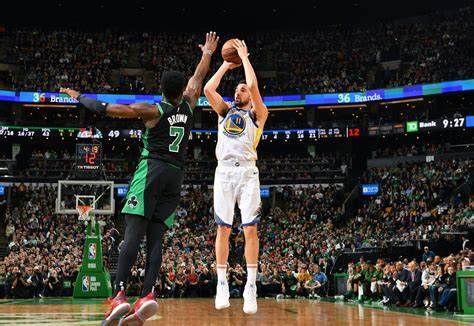
Shot timing is essential for shooting accuracy. Players with excellent rhythm consistently release the ball at the peak of their jump, maintaining the same motion regardless of distance or defensive pressure. This consistent rhythm leads to higher shooting percentages across all areas of the court. Learning proper shooting form is crucial, but adding perfect timing takes your shot to the next level.
Improved Ball Handling
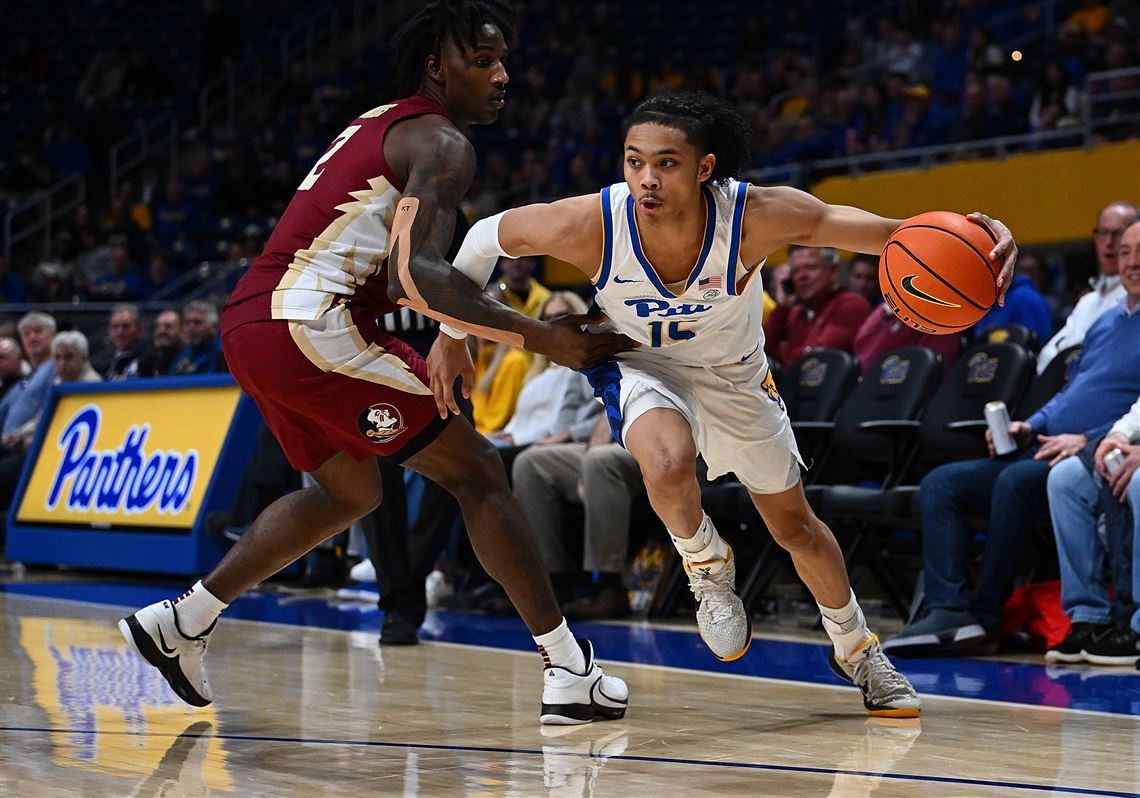
Dribbling with good rhythm makes you significantly harder to defend. When your dribbling has a consistent but unpredictable rhythm, defenders struggle to anticipate your moves or time their steals. Developing strong dribbling fundamentals combined with perfect timing creates a deadly combination.
Enhanced Court Awareness
Players with great timing seem to have eyes in the back of their head. They’re not psychic—they’ve just developed the timing to recognize patterns and anticipate what’s about to happen before it does. This kind of high-level court awareness allows them to make smarter decisions in any situation.
Superior Defensive Positioning
Defensive timing means knowing exactly when to contest a shot, when to go for a steal, and when to stay grounded. Players with excellent defensive timing commit fewer fouls while creating more turnovers. Learning how to play defense effectively starts with positioning, but mastering defensive timing is what makes you elite.
Smoother Team Integration
Basketball is ultimately a team sport, and players with good timing and rhythm blend seamlessly into offensive and defensive systems, making everyone around them better.
Common Timing and Rhythm Mistakes
Before we discuss how to improve, let’s identify some common mistakes that disrupt basketball timing and rhythm:
- Rushing Your Shot: Shooting before you’re balanced or before you’ve created enough space.
- Inconsistent Dribbling Patterns: Changing your dribbling cadence without purpose, making you predictable.
- Mistimed Jumps: Jumping too early or too late for rebounds, blocks, or jump shots.
- Telegraphing Passes: Making your passing intentions obvious through eye movement or body positioning. Proper passing technique needs to be combined with unpredictable timing.
- Hesitation During Decision-Making: The momentary pause that allows defenses to recover or adjust.
7 Proven Ways to Improve Basketball Timing and Rhythm
Now for the practical advice you’ve been waiting for—how to actually develop better timing and rhythm in your game:
1. Master the Metronome Drill
Set a metronome (or use a metronome app) to 60-80 beats per minute. Practice dribbling in sync with the beat, then gradually introduce variations—dribbling on every second beat, then adding crossovers or behind-the-back moves while maintaining the underlying rhythm.
This drill builds your internal clock, helping you develop a consistent dribbling cadence that you can speed up or slow down at will. This is similar to stationary dribbling drills but with a focus on rhythm rather than just ball control.
2. Film and Analyze Your Game
Record your practice sessions and games, then watch them at different speeds. At half-speed, you can more easily identify moments where your timing is off. Pay attention to:
- When you start your shooting motion
- How you time your defensive reactions
- The rhythm of your dribbling sequences
Video analysis is one of the most underutilized tools for improving basketball timing. Mastering basketball film analysis can dramatically accelerate your improvement.
3. Practice with a Shot Clock
Set a practice shot clock to 24 seconds (or 14 for half-court drills) and work on completing offensive sequences within that window. This builds an internal sense of game timing and forces you to make decisions at game speed.
Gradually reduce the shot clock time to increase the challenge—try running plays with just 8 or 10 seconds on the clock. This will help you develop the clutch performance skills needed in tight game situations.
4. Use Tennis Ball Reaction Drills
Have a partner toss a tennis ball against a wall while you’re dribbling a basketball. When they throw the ball, you need to catch it with your free hand without losing your dribble.
This drill improves your reaction timing and ability to maintain rhythm while processing additional information—crucial for game situations. It’s a great way to develop reaction time dribbling skills.
5. Practice Varied Shooting Rhythms
Many players can only shoot effectively with their preferred rhythm. Develop versatility by practicing shots with different timings:
- Quick catch-and-shoot (similar to catch and shoot mastery)
- One-dribble pull-up
- Step-back jumpers
- Shots off screens
For each variation, focus on finding a consistent rhythm that works for that specific situation.
6. Incorporate Music into Practice
Music with a strong beat provides an excellent backdrop for developing rhythm. Practice dribbling moves or shooting routines to music, gradually internalizing the beat until it becomes natural.
Different tempos can help you develop different game speeds—use slower songs for practicing deliberate moves and faster tracks for uptempo situations. This is especially effective when learning to play offense fast.
7. Play 1-on-1 with Constraints
One-on-one is excellent for developing timing, especially with added constraints. Try variations like:
- Defender can only move when the offensive player dribbles
- Offensive player must make a move every 3 seconds
- Both players must keep one foot in a designated area
These constraints force you to develop precise timing for your moves and countermoves. They’ll also dramatically improve your ability to break ankles with well-timed moves.
Basketball Timing Drills for Different Skill Levels
For Beginners:
- Ball Slap Drill: Bounce the ball, clap once, then catch it. Progress to multiple claps or more complex movements between bounces.
- Partner Pass Timing: Pass to a moving teammate, gradually increasing the difficulty by having them change speed or direction. This builds on basic basketball passing skills.
For Intermediate Players:
- Chair Dribbling Course: Set up chairs and practice navigating through them with different dribbling patterns and rhythms. Similar to cone dribbling drills but with a focus on timing.
- Shot Fake Timing Drill: Work with a partner who raises their hand as a defender, practicing shot fakes with precisely timed follow-through moves. Master shot fake and shoot techniques to create space against defenders.
For Advanced Players:
- Three-Player Weave With Defensive Pressure: The classic weave drill, but with a defender applying pressure at unexpected moments.
- Read-and-React Scenarios: Have a coach or teammate call out different scenarios (“shot clock at 5,” “defender overplaying right”) that require immediate adjustment. This builds on reading defenses and making smarter plays.
How Long Does It Take to Improve Basketball Timing?
Improving basketball timing and rhythm isn’t an overnight process. Most players see noticeable improvements within 3-4 weeks of dedicated practice, with significant changes coming after 2-3 months.
The key is consistency—15-20 minutes of timing-focused drills several times per week will yield better results than occasional longer sessions. This kind of strategic practice approach is what separates elite players from average ones.
Conclusion: The Rhythm of Success
Mastering basketball timing and rhythm won’t just improve individual aspects of your game—it will transform how you play. When timing becomes instinctive, you’ll find yourself making the right basketball decisions without conscious thought, playing with a flow and efficiency that makes everything easier.
Remember that timing and rhythm are skills, not talents. They can be developed through focused practice and attention to detail. The drills and techniques outlined above provide a roadmap, but your commitment to practicing them consistently is what will ultimately determine your success.
Building these skills is part of the core basketball fundamentals that every player should master. They’re not flashy, but they’re what separate good players from great ones.
Frequently Asked Questions About Basketball Timing and Rhythm
How is basketball rhythm different from basketball timing?
Rhythm refers to the consistent flow and cadence of your movements, while timing is about when you execute specific actions. Good rhythm creates the foundation for precise timing.
Can you improve basketball timing without a partner?
Absolutely! Many of the drills mentioned above, including the metronome drill, shot clock practice, and music-based exercises, can be done individually.
How do I know if my basketball timing is improving?
Watch for these signs: fewer rushed shots, more consistent shooting percentages, improved anticipation on defense, and a general feeling that the game is “slowing down” for you.
Is timing more important for certain positions in basketball?
While timing is crucial for all basketball positions, point guards and centers often rely on it most heavily—point guards for orchestrating the offense with precise passes, and centers for timing blocks, rebounds, and roll actions.
Can watching professional players help improve my timing?
Yes! Study how pros use hesitations, changes of pace, and subtle movements to create advantages. Pay special attention to players who aren’t the most athletic but still excel through superior timing. This kind of observation, combined with consistent training, can accelerate your development.
Make sure to check out basketballfundamentals.com for more information! We offer free video tutorials covering all aspects of basketball fundamentals, including specialized sessions on developing the timing and rhythm concepts covered in this article.