
Building Your Bag: How to Stack Moves Without Overthinking – The Ultimate Guide to Natural Skill Development
Introduction: Finding Your Flow on the Court
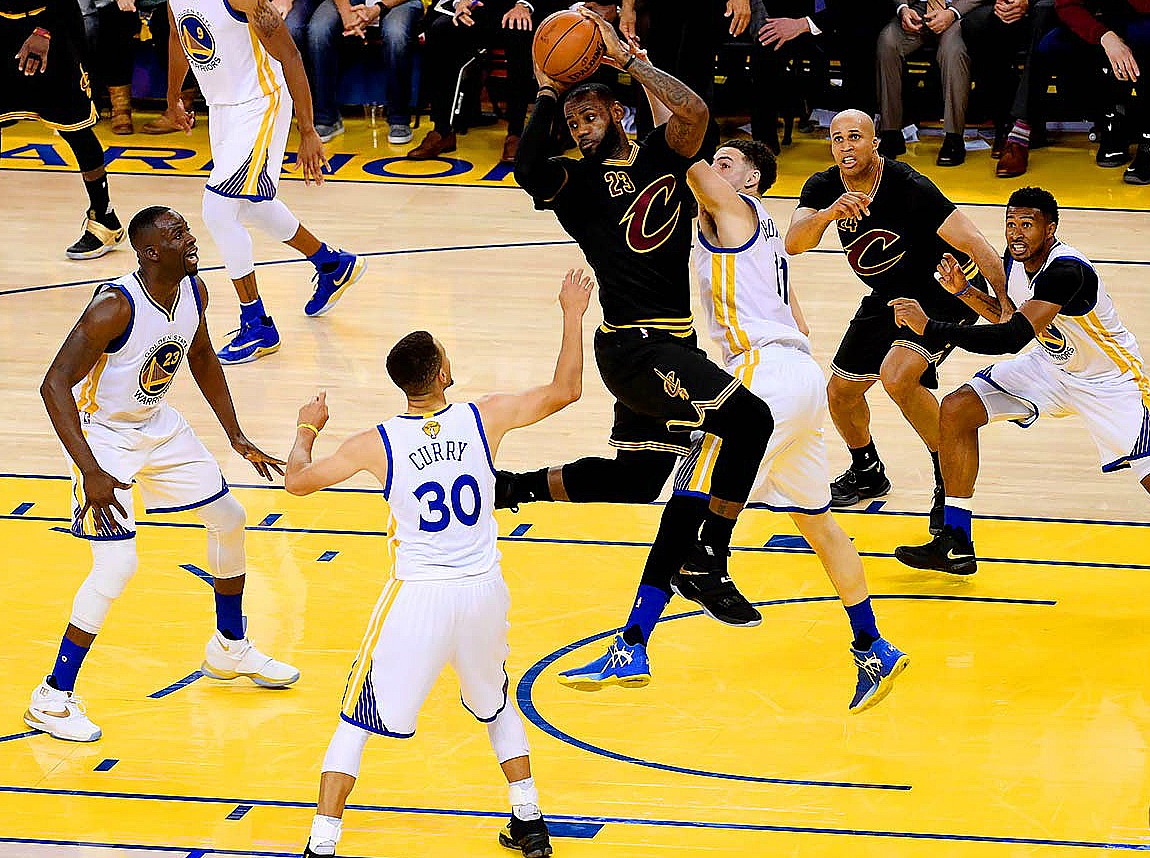
Jason stood at the top of the key, his defender crowding his space. He had been practicing his crossover-to-step-back jumper all week, but now, in the middle of a game, his mind was racing. “Should I go right or left? What if I mess up? Everyone’s watching.” His hesitation cost him—the defender poked the ball away, leading to a fast break the other way.
Sound familiar? Most players have been there. You practice moves endlessly, but when game time comes, overthinking freezes you up. The truth is, expanding your “bag” (your arsenal of basketball moves) shouldn’t feel like solving a math problem under pressure. It should feel natural.
In this guide, we’ll walk through exactly how high-level players develop their skills without getting stuck in their heads. We’ll cover practical drills, mental approaches, and step-by-step techniques that will help you add new weapons to your offensive arsenal while staying in the flow of the game.

What Does “Building Your Bag” Actually Mean?
Before diving into techniques, let’s clarify what we mean by “building your bag” in basketball:
Your basketball bag refers to the collection of moves, counters, and skills you can reliably execute during games. It’s not just about having flashy handles—it’s about having effective tools you can use instinctively without hesitation.
The best players don’t think “I’m going to do a crossover, then a behind-the-back, then shoot”—they react based on what the defense gives them, pulling from their bag automatically. This is a key aspect of improving your basketball IQ.
The Overthinking Trap: Why Players Get Stuck
Many hoopers fall into the overthinking trap when trying to expand their skills:
- Practicing moves in isolation but freezing when trying to use them in games
- Worrying about looking bad if a new move doesn’t work
- Getting caught between multiple options and choosing none
- Focusing too much on the defender instead of trusting your skills
As Jason learned in our opening story, overthinking creates hesitation—and hesitation kills effectiveness on the court. Learning to build confidence in your game is essential to overcoming this trap.
5 Proven Drills to Expand Your Bag Naturally
Let’s get practical. Here are five drills specifically designed to help you add moves to your bag without overthinking:
1. The 1-2-3 Progression Drill
This drill helps you stack moves together until they become second nature.
How to do it:
- Choose three moves you want to add to your bag (example: crossover, in-and-out, hesitation)
- Practice the first move only for 5 minutes
- Add the second move as a counter for another 5 minutes
- Finally, add the third move, creating a sequence
- Importantly, don’t plan which move you’ll use—react to imaginary defensive pressure
Why it works: By starting simple and gradually adding complexity, your brain creates natural connections between moves. Over time, you stop seeing them as separate techniques and start seeing them as options within a flowing sequence.
2. The “Read and React” Chair Drill
Setup:
- Place a chair at the top of the key (representing a defender)
- Start with the ball about 15 feet from the chair
- Approach the chair and make a move based on a specific “read”
Examples of reads:
- If the chair is slightly to your right, attack left
- If you imagine the chair “overplaying” one side, go the other way
- If you picture the chair backing up, pull up for a jumper
Why it works: This drill teaches you to make decisions based on defensive positioning rather than pre-planning your move. It builds the habit of reading and reacting—the opposite of overthinking. This is similar to the concept covered in making smart decisions in close games.
3. The “Three-Level Finishing” Drill
Building your bag isn’t just about dribble moves—it’s also about having different ways to score once you get to the basket.
How to do it:
- Start at the wing
- Make a single move to beat an imaginary defender
- Approach the basket and finish using one of three techniques:
- Low finish (scoop layup or reverse)
- Mid-level finish (regular layup or floater)
- High finish (power layup or dunk)
- The key: don’t decide which finish you’ll use until you see the imaginary help defense
Why it works: This drill teaches you to keep your options open until the last moment—a crucial skill for avoiding overthinking near the rim.
4. The “Reaction Ball” Partner Drill
Setup:
- Have a partner stand about 5 feet away with a basketball
- Your partner randomly shows the ball on their right or left side
- You react with the appropriate move (attack the opposite side)
- As you improve, add more complex reads (partner steps forward = pull-up jumper, etc.)
Why it works: This drill literally trains your brain to react without thinking. The random nature forces quick decisions without time for overthinking. This improves your reaction time dribbling skills.
5. The Game Speed “Shadow Dribbling” Drill
Many players practice moves too slowly, then can’t execute at game speed.
How to do it:
- Find an open space without a ball
- Shadow dribble (mime dribbling without a ball) at full game speed
- Call out moves as you “perform” them: “crossover,” “behind-the-back,” etc.
- Focus on quick transitions between moves
Why it works: This drill removes the distraction of actually controlling the ball, allowing you to focus purely on the rhythm and flow of combining moves at game speed.
Common Mistakes When Building Your Bag
Even with great drills, players often make these mistakes:
- Practicing moves without context – Moves should be practiced with a purpose (getting to the rim, creating space, etc.)
- Not accounting for defender recovery – Real defenders don’t stay beaten; practice your moves with counter reactions
- Rushing new moves into games – A move needs approximately 1,000 repetitions before it becomes instinctual
- Copying moves that don’t fit your game – Not every flashy Instagram move works for every body type or playing style
- Neglecting footwork fundamentals – Fancy dribbles mean nothing without the footwork to capitalize on the advantage
The Mental Game: Trusting Your Training
Jason’s story continues: After his turnover, his coach pulled him aside and said, “Stop thinking about the move. Think about what you want to accomplish. You want to get to the basket, right? Your body knows how to do the rest.”
The next time down the court, Jason focused only on his destination—the basket—rather than the specific moves. Surprisingly, his crossover-to-step-back happened naturally, creating space for an easy jumper.
This mental shift is crucial. Instead of thinking about the specific moves you want to use, focus on:
- Reading the defense – What is the defender giving you?
- Your end goal – Where do you want to get to on the court?
- Pressure points – Where can you attack to create an advantage?
Let your training take care of the how. This is a key element of mental preparation in basketball.

How Long Does It Take to Add Moves to Your Bag?
Be realistic about timelines. According to basketball skill development coaches, here’s what to expect:
- Basic move (simple crossover): 2-3 weeks of daily practice before game-ready
- Intermediate move (behind-the-back to hesitation): 4-6 weeks
- Advanced combination (crossover to between-legs to step-back): 2-3 months
The key isn’t just repetition—it’s repetition with gradually increasing pressure and game-like conditions. Incorporating these moves into your training regimen is essential for development.
Conclusion: Flow Don’t Force
Building your bag isn’t about memorizing a script of moves. It’s about developing options that you can access instinctively based on what the defense gives you.
Remember Jason’s lesson: Focus on your objective, not the specific move. Read the defense, trust your training, and let your body do what it knows how to do.
With consistent practice using the drills outlined above, you’ll develop a diverse, effective bag of moves that you can pull from without overthinking—making you more dangerous and confident on the court. To enhance your practice sessions, consider incorporating essential warm-up drills before starting your skill work.
FAQ: Quick Answers to Common Questions
Q: How many moves should I work on adding to my bag at once?
A: Focus on mastering just 1-2 new moves at a time. Adding too many simultaneously leads to confusion and poor execution of all of them.
Q: Do I need to practice my weak hand equally?
A: Absolutely. Your bag isn’t complete if it only works in one direction. Spend at least 40% of your practice time on your non-dominant hand.
Q: How do I know if a move is actually game-ready?
A: Try it in increasingly challenging environments: first alone, then against a passive defender, then in 1-on-1, and finally in scrimmages. If it succeeds at each level, it’s ready for games.
Q: Should I practice moves I see NBA players use?
A: Be selective. Choose moves that complement your physical attributes and playing style. Not every NBA move translates to every body type or skill level.
Q: How do I stop hesitating when trying new moves in games?
A: Start by using new moves in low-pressure situations (early in games, when your team is ahead, etc.). As your confidence grows, you’ll naturally use them in more crucial moments. Having a proper pregame warm-up routine can also help reduce game-time anxiety.
Make sure to check out basketballfundamentals.com for more information! Our free video tutorial breaks down these drills with visual demonstrations, and our site offers dozens more articles on mastering basketball fundamentals without overthinking. Your expanded bag is just a few clicks away!