
How to Set Screens That Actually Get Your Teammates Open
What Is a Screen in Basketball?
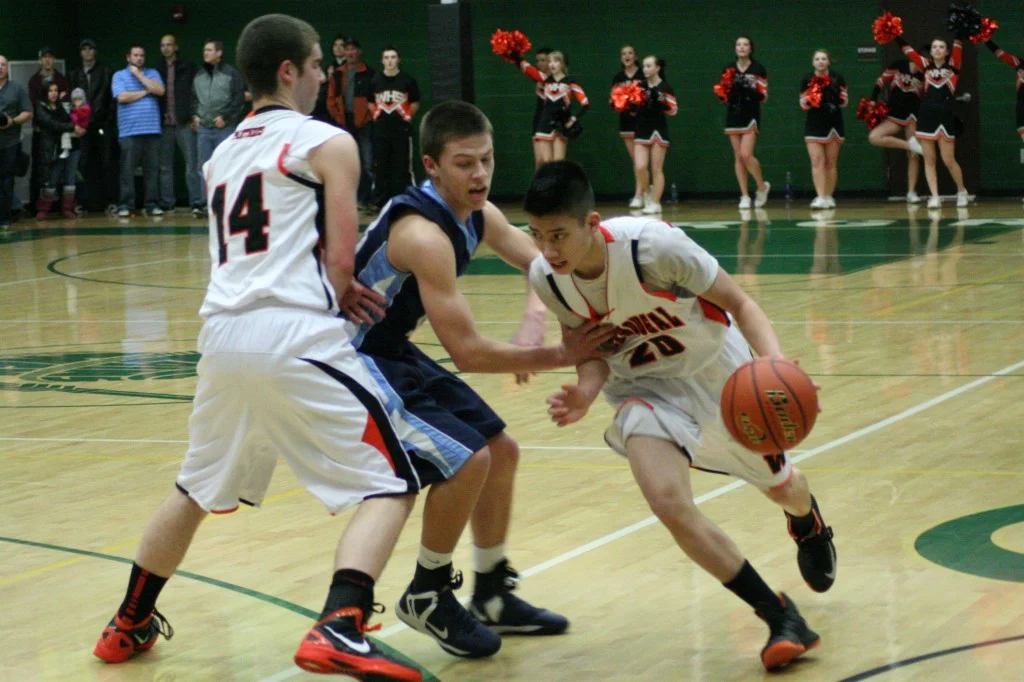
A screen (also called a “pick”) is when an offensive player positions their body to block the path of a defender guarding their teammate. The goal is to create separation between the ball handler or cutter and their defender, giving your teammate space to shoot, drive, or make a play.
Effective screening is a crucial aspect of moving without the basketball and can dramatically improve your team’s offensive flow when executed properly.
The Fundamentals of Setting Effective Screens
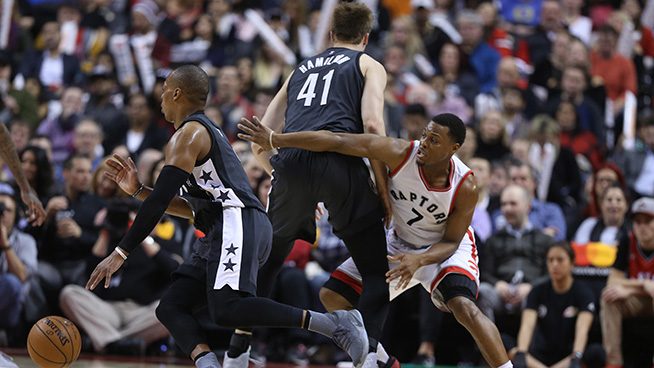
Proper Positioning
The foundation of a good screen starts with how you position your body:
- Stand with your feet shoulder-width apart to establish a solid base
- Keep your knees slightly bent for stability
- Position yourself at approximately a 45-degree angle to the defender’s path
- Tuck your elbows and hands close to your body to avoid offensive fouls
- Square your shoulders in the direction you want your teammate to move
Coach’s Tip: Think of yourself as a wall. The wider and more stable you are, the harder it is for defenders to get around you.
Perfect Timing
Even the best-positioned screen will fail if the timing is off:
- Make eye contact or use subtle signals with your teammate before setting the screen
- Allow your teammate enough time to react to your screen
- Set the screen when your defender is slightly off-balance or focused elsewhere
- Hold the screen long enough for your teammate to use it effectively
- Time your screen to coincide with your team’s offensive flow
Communication Is Key
Verbal and non-verbal communication makes screening more effective:
- Call out “screen right” or “screen left” to alert your teammate
- Use hand signals when noise levels are high
- Establish screen calls and terminology with teammates during practice
- Make eye contact with the ball handler before setting up
- Develop chemistry through consistent practice with the same teammates
Great communication is an essential element of high basketball IQ and makes a significant difference in screen effectiveness.
Common Mistakes to Avoid When Setting Screens
Moving Screens
The most frequently called screening violation happens when you fail to establish a legal position:
- Leaning or extending your hip or leg to make contact with the defender
- Shifting your position once the defender makes contact
- Rolling to the basket before making contact with the defender
- Setting the screen while still moving into position
Pro Tip: Officials look for your feet—if they’re still moving when contact occurs, expect a whistle.
Poor Angle Selection
The angle of your screen determines how effective it will be:
- Setting screens too far from the defender (leaving easy paths around)
- Positioning screens in predictable locations that defenders can anticipate
- Failing to account for the defender’s momentum and movement direction
- Setting screens that force teammates into bad court positions or toward help defenders
Failing to Hold Your Position
A common mistake among young players is abandoning the screen too early:
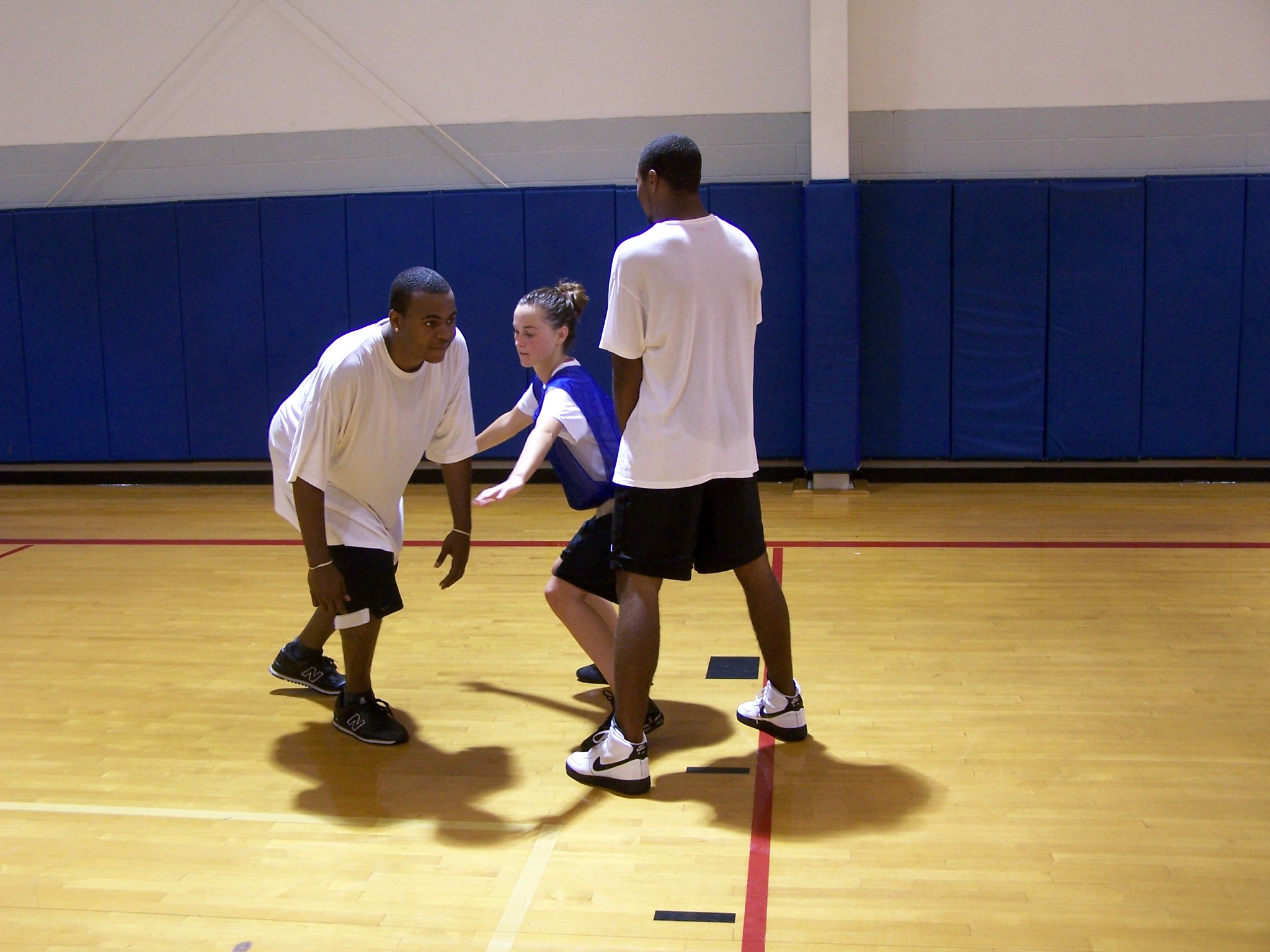
- Leaving the screen position before your teammate has used it
- Allowing defenders to push you out of position
- Breaking contact too soon to roll to the basket
- Not maintaining a wide, stable base throughout the screen
Understanding these mistakes is part of developing good basketball fundamentals that will elevate your entire game.
Types of Screens and When to Use Them
Ball Screens (Pick and Roll)
The most common screen type in modern basketball:
- Set for the ball handler, typically above the three-point line
- Creates opportunities for both the ball handler and the screener
- Most effective when the defense can’t switch easily due to mismatches
- Particularly useful against aggressive on-ball defenders
For an in-depth guide on executing this technique, check out our article on pick and roll like a pro.
Off-Ball Screens
These create movement and open shots away from the ball:
- Down screens: Set facing the baseline to free shooters moving toward the ball
- Cross screens: Set horizontally across the lane to free post players
- Flare screens: Set to allow shooters to move away from the ball to the perimeter
- Back screens: Set behind the defender to create backdoor cutting opportunities
Off-ball screens are crucial for getting open without the basketball and creating scoring opportunities for your team.
Staggered and Double Screens
Multiple screens that create confusion for defenses:
- Staggered screens: Two screens set in sequence to free a cutter or shooter
- Double screens: Two players screening side by side to create a wider barrier
- Most effective against man-to-man defenses where help is limited
- Requires excellent timing and communication among three offensive players
When to Set Screens During a Game
Early Offense Situations
- After crossing half-court to initiate offensive sets
- To disrupt defensive assignments early in the shot clock
- When defenses haven’t yet set up their full coverage
- To create immediate advantages while the defense is transitioning
Effective early offense screens can help your team play offense fast and catch the defense unprepared.
Half-Court Sets
- When offensive movement has stalled
- To create action away from congested areas
- During set plays that require precise execution
- To force defensive switches that create mismatches
End of Shot Clock Scenarios
- When your team needs a quick scoring opportunity
- To free your best scorer for a last-second shot
- When defensive pressure intensifies as time winds down
- To create confusion in high-pressure situations
Drills to Improve Your Screening
2-on-2 Pick and Roll Drill
Setup:
- One ball handler, one screener, two defenders
- Start at the top of the key
- Limited space (use half court)
Execution:
- Ball handler signals for a screen
- Screener sets solid screen and rolls to basket
- Ball handler uses screen to attack or pass
- Repeat 10 times, then switch roles
Focus Points: Communication, proper screen angles, and defender reactions
3-on-3 Off-Ball Screen Drill
Setup:
- One ball handler, one screener, one cutter, three defenders
- Start with ball handler at top, others in wings and corners
Execution:
- Cutter moves to receive off-ball screen
- Screener sets screen at correct angle
- Cutter uses screen to get open
- Ball handler delivers pass for shot
- Rotate positions after each attempt
Focus Points: Timing, screen quality, and finish after receiving pass
For more comprehensive practice options, explore our collection of essential basketball drills for every skill level.
Screen Navigation Circuit
Setup:
- Place cones in zigzag pattern
- Players work in pairs
Execution:
- One player acts as offensive screener, setting stationary screens at each cone
- Partner moves through course, using each screen correctly
- Switch roles after completion
- Increase speed with proficiency
Focus Points: Quick recognition, proper use of screens, and maintaining spacing
The Screener’s Mindset: Take Pride in the Assist to the Assist
Great screen setters understand their value extends beyond the stat sheet:
- Embrace the unselfish nature of creating advantages for teammates
- Recognize the impact of freeing teammates for easy scoring opportunities
- Understand that effective screens lead to better team offense
- Take pride in the “hockey assist” – setting up the player who makes the assist
This mindset is part of developing your overall basketball IQ and becoming a more complete player.
How to Read and React After Setting Screens
After setting a screen, you have several options based on how the defense responds:
- Roll to the basket if both defenders follow the ball handler
- Pop out for a shot if your defender helps too much on your teammate
- Re-screen if your teammate couldn’t use the initial screen effectively
- Clear out to create space if neither option is available
Having the ability to read the defense and make quick decisions is an essential part of basketball knowledge that separates good players from great ones.
FAQ About Basketball Screening
Is it legal to extend my arms when setting a screen?
No, your arms should be tucked in close to your body. Extended arms will almost always be called as an offensive foul.
How do I avoid getting called for moving screens?
Establish your position before contact occurs, keep your feet set, and avoid leaning or extending body parts into the defender’s path.
Should I always tell my teammate when I’m setting a screen?
Yes, communication is crucial. Call out the screen direction or use non-verbal cues if you’ve established them with your teammates.
How close should I set the screen to the defender?
As close as possible without making contact. The ideal distance is about 1-2 feet from the defender’s path.
What’s the best way to practice screening if I don’t have a team?
Work with just one partner on pick and roll situations, focusing on angles, communication, and reading defensive reactions. You can also incorporate screening into your warm-up drills to build muscle memory.
Conclusion
Setting effective screens is truly an art form that combines physicality, timing, and basketball IQ. By mastering proper technique, communicating clearly with teammates, and understanding when and where to set screens, you’ll become an invaluable offensive weapon—even without scoring a single point.
Remember that great screeners make everyone around them better. While it may not always show up in the traditional stat sheet, coaches and knowledgeable teammates recognize and appreciate the impact of a player who can consistently free others for easy scoring opportunities.
For players looking to take their game to the next level, becoming an excellent screener can be just as important as developing your shooting skills or ball handling ability.
Make sure to check out basketballfundamentals.com for more information! We encourage you to view our free video tutorials on advanced screening techniques and explore our site for more essential basketball fundamentals that will elevate your game.