
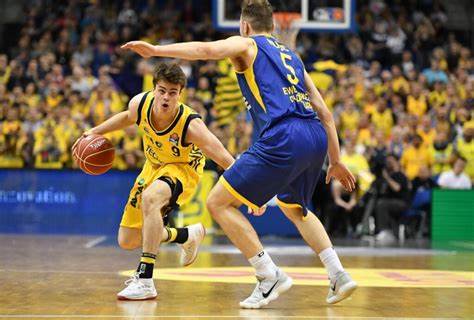
Skill vs. Will: How Mentality Affects the Way You Train
At Basketball Fundamentals, we believe that understanding this balance is crucial for players at all levels. This comprehensive guide will help you unlock your full potential by developing both your basketball skills and mental toughness.
What Is Skill in Basketball?
Skill in basketball refers to the technical abilities you’ve developed through practice and repetition. These are the physical capabilities that allow you to execute specific actions on the court effectively.
Key Components of Basketball Skill:
- Technical proficiency – Your ability to shoot, dribble, pass, and defend using proper form
- Basketball IQ – Understanding game situations and making smart decisions
- Muscle memory – Executing movements automatically without conscious thought
- Physical attributes – Speed, strength, agility, and coordination
When we talk about skill development, we’re referring to the process of refining these technical abilities through deliberate practice. Traditional skill training often follows a pattern where a coach demonstrates a move, and players repeat it multiple times in controlled settings. While this builds fundamental technique, it’s only one piece of the performance puzzle.
What Is Will in Basketball?
Will represents your mental approach to the game – your mindset, determination, and psychological resilience. It’s the driving force behind your training efforts and performance under pressure.
Key Components of Basketball Will:
- Mental toughness – The ability to perform consistently regardless of circumstances
- Self-confidence – Belief in your abilities, even during slumps
- Focus and concentration – Maintaining attention on what matters most
- Emotional control – Managing feelings during high-pressure situations
- Commitment – Dedication to improvement through consistent effort
Mental toughness, specifically, can be defined as “the personal ability to consistently pursue high levels of performance despite daily challenges and stressors, and the capacity to ignore significant difficulties”. This psychological resilience is what separates good players from great ones.
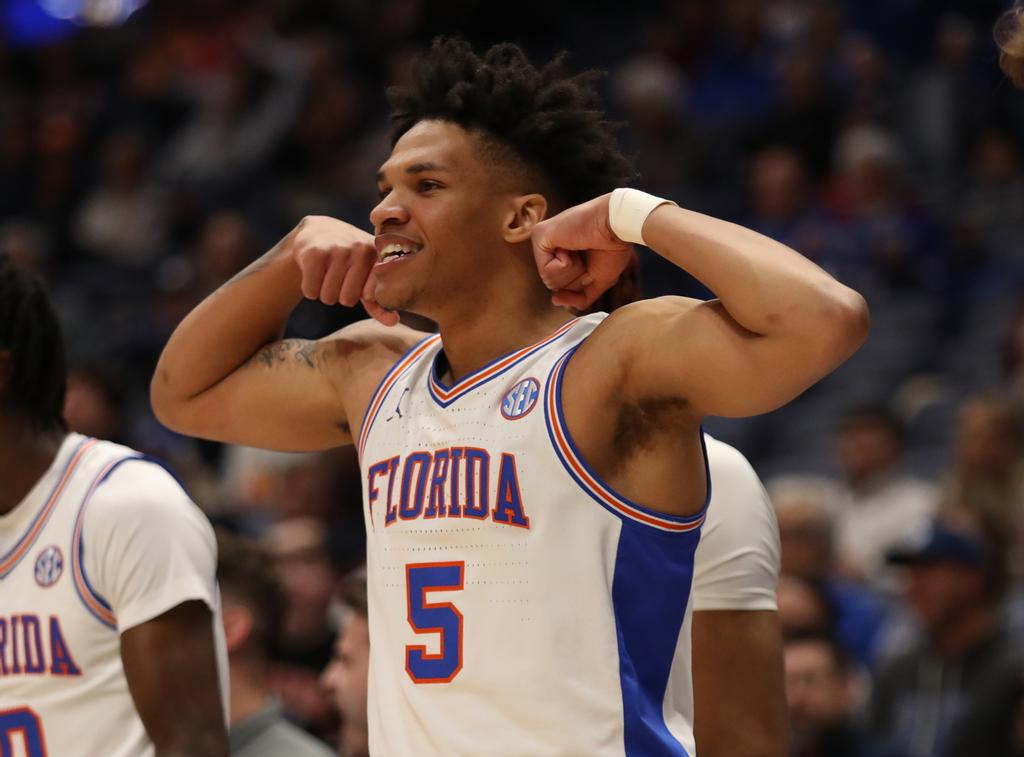
The Critical Difference Between Skill and Will
Understanding the difference between skill and will is essential for basketball development:
Skill is about what you can do physically. It’s tangible, measurable, and can be developed through technical drills.
Will is about how you approach challenges mentally. It determines your ability to apply your skills consistently, especially when facing adversity.
As players progress in their basketball careers, the competition gets tougher, and eventually, everyone at high levels has great basketball fundamentals and athleticism. What ultimately separates players is their mindset. When talent and physical attributes are relatively equal, mental strength becomes the decisive factor.
How Mentality Affects Training
Your mentality dramatically influences how you train and, consequently, how much you improve. Here’s how your mindset impacts different aspects of development:
1. Training Intensity
Players with strong will push themselves beyond comfort zones, attacking difficult drills with the same intensity they bring to games. They understand that growth happens at the edge of their abilities.
NBA players recognize this connection between skill and mental growth. The most successful athletes often point to their mindset development as the key factor in their continued improvement year after year.
2. Consistency and Discipline
Will determines whether you:
- Show up early and stay late
- Train with purpose even when coaches aren’t watching
- Maintain focus during repetitive fundamental drills
- Push through fatigue when others quit
Committed players demonstrate their dedication by arriving at training early, leaving late, actively participating in drills, and asking thoughtful questions that expand strategies and tactics. This level of practice discipline sets the foundation for game-day success.
3. Response to Failure
Players with strong mental fortitude view mistakes as learning opportunities rather than reflections of their worth. This resilience allows them to:
- Bounce back quickly from poor performances
- Take constructive criticism productively
- Try new techniques without fear of failure
- Analyze setbacks objectively
This approach to handling setbacks, whether they’re performance slumps or injuries, often distinguishes elite players from average ones.
4. Skill Application Under Pressure
It’s one thing to perform skills in isolation during practice; it’s entirely different to apply them in unpredictable game situations. Training that includes decision-making elements better prepares players for real competition.
Players with strong will can transfer practice skills to game situations because they remain calm under pressure and trust their training. They’ve developed the ability to perform under pressure through deliberate practice.
How to Strengthen Your Basketball Mentality
Developing mental toughness requires deliberate practice, just like physical skills. Here are proven strategies to strengthen your basketball mentality:
1. Embrace Discomfort
Mental toughness grows when you deliberately put yourself in challenging situations:
- Guard the best offensive player in practice
- Request feedback on your weaknesses
- Set ambitious but achievable goals
- Practice at game speed, not comfort speed
These challenges help develop both your defensive confidence and overall mental resilience.
2. Develop Pre-Performance Routines
Consistent routines help manage anxiety and build confidence:
- Create a specific warm-up sequence
- Develop free-throw or shooting rituals
- Establish pre-game preparation habits
- Practice visualization techniques
3. Implement Mindfulness Training
Mindfulness helps control emotions and stay present during high-pressure moments. Practice feeling your body’s signals—your heartbeat, pulse, or breath—as anchors to the present moment.
This mental skill is particularly valuable when facing defensive pressure or when attempting crucial shots in game-deciding moments.
4. Train with Purpose
Every workout should have clear objectives:
- Define specific mental and physical goals for each session
- Track progress objectively
- Reflect on both successes and areas for improvement
- Connect practice elements to game situations
This purposeful approach to basketball training maximizes both skill acquisition and mental growth.
5. Build Resilience Through Adversity
Intentionally create challenging practice scenarios:
- Scrimmage with artificial disadvantages (playing 4-on-5)
- Practice while physically fatigued
- Simulate pressure situations (shooting with consequences)
- Incorporate competition into drills
These scenarios prepare you for the challenges you’ll face in actual games and develop your ability to perform under pressure.

Finding the Perfect Balance
The most successful basketball players achieve harmony between skill and will. Here’s how to balance your development:
Skill Without Will = Unfulfilled Potential
Players with excellent technical abilities but weak mentality often:
- Perform inconsistently
- Struggle in high-pressure situations
- Plateau despite natural talent
- Become frustrated when skills don’t translate to success
Will Without Skill = Limited Ceiling
Players with tremendous drive but underdeveloped skills typically:
- Work extremely hard but see limited results
- Struggle to execute in critical moments
- Hit performance plateaus
- Feel frustrated despite maximum effort
Skill + Will = Peak Performance
When both elements align, players experience:
- Consistent performance regardless of circumstances
- Confidence in high-pressure situations
- Continuous improvement over time
- The ability to perform at their best when it matters most
Building Your Training Plan
To develop both skill and will, structure your training to include:
- Technical skill work (30-40% of training time)
- Fundamentals practice
- Shooting form refinement
- Ball-handling drills
- Positional skills
- Applied skill development (30-40%)
- Game-situation drills
- Decision-making scenarios
- Small-sided games
- Competitive drills
- Mental training (20-30%)
- Visualization exercises
- Mindfulness practice
- Goal-setting sessions
- Performance reflection
Practical Training Tips
Implement these strategies to develop both skill and will simultaneously:
1. Add pressure elements to skill drills
- Time constraints
- Performance targets
- Competitive elements
- Fatigue factors
For example, transform a standard shooting drill by adding a time limit or consequence for missed shots.
2. Track mental metrics alongside physical ones
- Response to setbacks
- Focus maintenance
- Emotional control
- Communication under pressure
3. Create a personal mental training routine
- Daily visualization
- Positive affirmations
- Pre-performance rituals
- Post-performance reflection
Drawing inspiration from motivational basketball quotes can be a helpful component of your mental routine.
Conclusion
The journey to basketball excellence requires developing both skill and will in tandem. While technical abilities provide the foundation for success, mental toughness determines how effectively those skills are applied when it matters most.
Remember that mental strength, like physical skills, develops through deliberate practice and consistent effort. By understanding the crucial relationship between skill and will, you can unlock your full potential and elevate your game to new heights.
FAQ
How long does it take to develop mental toughness?
Like physical skills, mental toughness develops gradually through consistent practice. Most players see noticeable improvements within 3-6 months of focused mental training.
Can mental toughness be taught, or is it innate?
Research shows that mental toughness can be developed through structured intervention programs. Studies have demonstrated significant improvements in challenge, commitment, emotional control, life control, and self-confidence through dedicated mental training.
How do I know if my mental game needs improvement?
Signs that your mentality needs strengthening include inconsistent performance, difficulty performing under pressure, negative self-talk, and losing focus during critical moments.
What’s more important for youth players: skill or will development?
Young players benefit from a balanced approach, with slightly more emphasis on fundamental skill development while gradually introducing mental training concepts appropriate for their age and development level.
How do professional players train their mental game?
Many professional players incorporate dedicated mental training into their routines, including working with sport psychologists, practicing visualization, using mindfulness techniques, and establishing consistent pre-game routines.
Make sure to check out basketballfundamentals.com for more information! Watch our free video tutorials on developing both your basketball skills and mental toughness to take your game to the next level.