
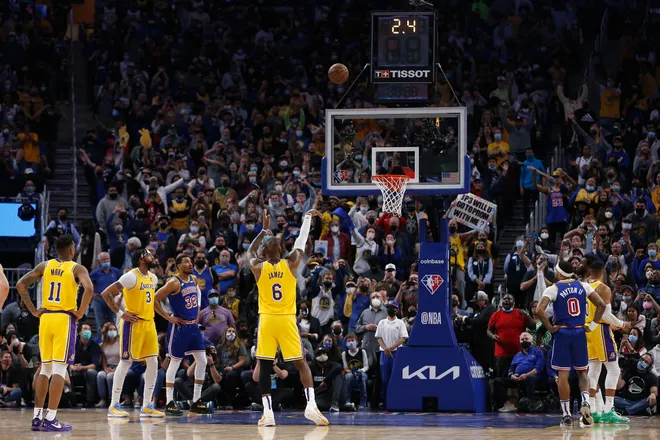
The Art of Keeping Your Head Up When Your Team Is Down: Mental Toughness on the Court
Introduction: Why Mental Resilience Matters in Basketball
Basketball is as much a mental game as it is physical. When shots aren’t falling and the other team seems unstoppable, your mindset becomes your most valuable asset. In fact, building unshakable mental toughness isn’t just helpful—it’s essential for success on the court.
Research from sports psychology shows that teams who maintain positive body language and communication during adverse situations are significantly more likely to mount successful comebacks. According to studies in sport psychology, players who practiced mental resilience techniques showed 24% better performance during high-pressure game situations. If you want to transform from choking to clutch, developing this mental fortitude is your path forward.
Key Terms: Understanding Basketball Mental Toughness
Before diving into specific techniques, let’s clarify some important concepts:
- Mental Toughness: The ability to maintain focus, confidence, and determination despite challenging circumstances
- Resilience: Bouncing back quickly from setbacks during a game
- Short Memory: The capacity to move past mistakes without dwelling on them
- Body Language: Non-verbal communication that reflects your mental state
- Momentum Shifts: The natural ebb and flow of advantage during a basketball game
Understanding these concepts is part of developing your basketball IQ and will serve you well in pressure situations.
Proven Strategies to Stay Positive When Trailing
1. Focus on the Next Play, Not the Last One
One of the most common mistakes players make is dwelling on errors. That missed layup or defensive breakdown? It’s already in the past. Elite players understand the concept of having a “short memory.”
How to practice this skill:
- After a mistake, take one deep breath and mentally say “next play”
- Focus completely on your current defensive or offensive assignment
- Remind yourself that every possession is a new opportunity
High school coach Mike Thompson explains: “I teach my players to visualize putting mistakes in a box and closing it before moving to the next play. You can open that box later during film analysis, but during the game, it stays closed.”
2. Control What You Can Control
When trailing in a game, players often become fixated on the score. Instead, redirect your focus to the elements within your control:
- Your defensive intensity
- Setting quality screens
- Making the right pass
- Running the floor in transition
- Communicating with teammates
College basketball player Jamal Williams shares: “When we fell behind by 15 against our rivals, our captain reminded us to focus on winning the next four minutes. We stopped looking at the scoreboard and just concentrated on executing each possession. Before we knew it, the deficit was manageable.”
This approach is particularly important in understanding how your brain reacts under pressure and maintaining control in crucial moments.
3. Use Body Language as a Competitive Advantage
Your body language doesn’t just affect your own performance—it impacts your teammates and can even influence officiating. When feeling discouraged:
- Keep your head up (literally!)
- Stand tall with shoulders back
- Make eye contact with teammates
- Give high-fives after both good and bad plays
- Clap and encourage others from the bench
Research shows that positive body language can trigger neurochemical changes that actually improve physical performance—essentially “faking it until you make it” has scientific merit on the basketball court.
4. Find Small Victories Within the Larger Struggle
When the overall game isn’t going well, look for smaller battles to win:
- Get two defensive stops in a row
- Execute a specific play perfectly
- Grab an offensive rebound
- Draw a charge
- Make free throws when awarded
These small victories build momentum and confidence that can eventually shift the entire game. Learning how to read defenses and make smarter plays can help you find these small wins even when facing a tough opponent.
5. Use Timeouts and Quarter Breaks Effectively
Timeouts aren’t just for tactical adjustments—they’re mental reset opportunities:
- Hydrate and take deep breaths
- Listen intently to coach instructions
- Encourage teammates with specific observations (“Great box out on #23”)
- Verbalize positive affirmations (“We’ve got this” or “One possession at a time”)
Former NBA player Marcus Johnson advises: “During timeouts when we were down, I’d look teammates in the eye and remind them of a similar situation we’d overcome before. Specific memories of past resilience build confidence.”
Common Mental Mistakes When Trailing
Avoiding these pitfalls is crucial for maintaining composure during challenging game situations:
- Hero Ball: Trying to erase a deficit single-handedly instead of trusting teammates
- Rush Syndrome: Speeding up unnecessarily and taking quick, low-percentage shots
- Blame Shifting: Focusing on referee calls, teammate errors, or bad luck
- Negative Self-Talk: Allowing internal dialogue to become critical and defeatist
- Energy Conservation: Reducing effort when trailing, exactly when more intensity is needed
Basketball mental skills coach Dr. Anna Chen notes: “The biggest predictor of whether a team can come back isn’t talent—it’s how they handle adversity collectively. Teams that blame and fragment rarely recover, while teams that unite often surprise themselves with what they can accomplish.”
Understanding these mental mistakes is part of developing smart decision-making skills in close games.
Practical Drills to Build Mental Toughness
Like any basketball skill, mental resilience can be developed through deliberate practice. Here are some drills that coaches can implement to improve their team:
Adversity Scrimmages
Have coaches deliberately make calls against your team during practice scrimmages. Award the opposing team extra points occasionally. This simulates frustrating game situations and allows players to practice emotional control.
Comeback Scenarios
Start scrimmages with one team having a significant advantage (10-15 points) with a limited time to play (5-7 minutes). This forces the trailing team to practice maintaining composure while facing a deficit.
Distraction Training
Practice with artificial distractions—loud music, coaches yelling (appropriate) criticism, or even parents instructed to cheer for the opposite team. Learning to focus despite external challenges builds mental fortitude.
When combined with essential warm-up drills, these mental toughness exercises create a complete preparation regimen.
Youth coach Teresa Martinez implemented these drills with her team and reported: “The transformation was remarkable. In games, I could see players using our mental toughness cues when things got tough. Our comeback wins increased by 40% this season.”
Real-Life Applications Beyond Basketball
The mental resilience skills developed through basketball extend far beyond the court. This connection to life skills is why many coaches emphasize the big picture of basketball and its valuable life lessons:
- Academic challenges require the same “next play” mentality after a poor test result
- Career setbacks benefit from the focus on controllable factors approach
- Personal relationships improve with positive body language techniques
- Life’s inevitable disappointments become more manageable with practiced resilience
Former college player and current business executive Jamie Roberts shares: “The mental toughness I developed in basketball has been my secret weapon in the corporate world. When projects go sideways, I automatically shift into my ‘down-by-10-with-5-minutes-left’ mindset.”
The Science of Grit: Understanding Perseverance
Recent research has revealed that mental toughness isn’t just psychological—it has physiological components as well. When facing adversity, your brain’s amygdala (emotional center) can trigger a fight-or-flight response that impairs decision-making. The mental techniques discussed here help activate your prefrontal cortex, allowing for clearer thinking under pressure.
This intersection of psychology and physiology explains why understanding the science of grit can help players push through tough training sessions and challenging game situations.
Conclusion: The Comeback Mindset
Keeping your head up when your team is down isn’t just about feeling better—it’s about creating the conditions for a potential comeback. The scoreboard may not always end in your favor, but your response to adversity will shape not only your basketball development but your character.
Remember that every great basketball story of triumph involves overcoming significant challenges. The next time your team faces a deficit, see it not as an ending but as the potential beginning of an impressive comeback story—one that starts with you keeping your head up and your mind strong.
FAQ: Mental Toughness in Basketball
Q: How long does it take to develop better mental resilience in basketball?
A: Like any skill, improvement varies by individual. Most players see noticeable improvements after 4-6 weeks of deliberate practice using the techniques and drills outlined above.
Q: Can mental toughness be developed at any age?
A: Absolutely! While younger players may adapt more quickly, players of all ages can enhance their mental approach to the game with consistent practice and attention. Basketball drills for kids can include mental components appropriate for their age level.
Q: How do I help teammates who get visibly discouraged during games?
A: Lead by example with your own positive body language. Offer specific encouragement about something they’re doing well. Simple physical contact like a high-five or pat on the back can also reset their emotional state.

Q: Is it normal to feel discouraged when trailing by a large margin?
A: Yes—even professional players experience discouragement. The difference is in how quickly you can acknowledge the feeling and then refocus on productive actions.
Q: How can I work on mental toughness if my coach doesn’t include it in practice?
A: You can develop mental skills independently through visualization exercises, setting up challenging situations during personal workouts, and studying how professional players handle adversity. Inspiring basketball quotes can also provide motivation and perspective.
Make sure to check out basketballfundamentals.com for more information! Our free video tutorials on mental toughness drills provide visual demonstrations of the techniques covered in this article. Visit our site for more resources on basketball fundamentals that will elevate your game mentally and physically.