
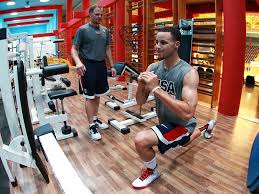
Master the Process: How to Fall in Love With the Basketball Grind – Not Just the Games
Are you that player who lives for game day but dreads practice? You’re not alone. Many basketball players get hooked on the thrill of competition but struggle with the daily work that actually builds excellence. The truth? The players who reach their full potential aren’t just in love with playing games – they’ve learned to embrace the grind.
In this guide, we’ll explore practical ways to shift your mindset and actually enjoy the process that creates basketball success. No fluff, just actionable advice for players at any level who want to transform their relationship with training.
Why the Grind Matters More Than Game Day
Game day is just the showcase of all your hard work. Think about it – a high school or college basketball season might include 25-40 games, but you’ll spend hundreds of hours practicing. Professional players might play 82 regular season games, but they train year-round.
Basketball development happens in those unseen hours. Here’s why embracing the grind changes everything:
- Skill mastery requires repetition: Research shows that skill acquisition demands thousands of quality repetitions. Games simply don’t provide enough touches.
- Mental toughness is built in practice: When you push through challenging drills and conditioning, you build the resilience needed in crucial game moments. Building unshakable mental toughness is essential throughout a basketball season.
- Consistency creates improvement: Daily improvement compounds over time, leading to breakthrough performance that seems “overnight” to observers.
7 Ways to Actually Enjoy Your Basketball Training
1. Set Process-Focused Goals
Most players only set outcome goals: “Score 20 points” or “Make varsity.” While important, these goals don’t guide your daily work.
Try this instead: Create specific process goals for each training session:
- Complete 500 form shots before school
- Perfect your defensive stance for 15 minutes
- Execute 50 perfect pick-and-roll repetitions
Research from sports psychology shows that process goals lead to greater satisfaction and sustained motivation compared to outcome-only goals.
2. Track Your Progress Visually
The grind becomes more enjoyable when you can actually see your improvement happening.
Basketball training tracker ideas:
- Keep a shooting journal noting percentages and form improvements
- Record video of your skills monthly to see visible progress
- Use a basketball training app to log workouts and track metrics
John Wooden, legendary UCLA coach, emphasized, “If you don’t have time to do it right, when will you have time to do it over?” Tracking ensures you’re doing things right the first time.
3. Find Your Basketball Training Community
The grind feels lighter when shared. Research consistently shows that accountability partners increase consistency by up to 85%.
Ways to build your basketball community:
- Find a reliable training partner who matches your commitment level
- Join skills development groups in your area
- Participate in morning workout groups before school
- Connect with online basketball training communities
4. Create Training Variety While Maintaining Focus
Repetition is necessary, but mindless repetition leads to boredom and plateaus.
How to keep training fresh:
- Rotate between 3-5 core drills that target the same skill
- Add competitive elements to basic drills (time challenges, scoring systems)
- Incorporate game-situation contexts into technique work
- Change training environments occasionally (outdoor courts, different gyms)
Kobe Bryant, known for his legendary work ethic, constantly varied his training approaches while maintaining his focus on mastering fundamentals.
5. Understand the “Why” Behind Each Drill
Players who understand the purpose behind training enjoy it more. Don’t just go through motions – know exactly what each drill develops.
Connect training to game situations:
- Ask coaches to explain how specific drills translate to game moments
- Study film to see skills you’re practicing being used by great players
- Mentally visualize game scenarios while doing seemingly mundane drills
Learning how to analyze game film can help you understand how your skills translate to real competition.
6. Celebrate Small Wins in Your Basketball Journey
The path to excellence is paved with tiny improvements that deserve recognition.
Small basketball wins worth celebrating:
- First time making 10 consecutive free throws with perfect form
- Mastering a new dribble move you’ve been practicing
- Improving conditioning enough to complete a difficult drill without stopping
- Maintaining proper shooting mechanics even when fatigued
Research shows that celebrating small wins activates the reward centers in your brain, making you more likely to continue the behavior.
7. Connect Daily Work to Your Basketball Identity
The ultimate mindset shift comes when training isn’t something you do – it’s part of who you are.
Professional basketball trainer Drew Hanlen notes: “The players who make it aren’t just willing to work hard – they’ve made the decision that working on their game is part of their identity.”
Questions to reflect on:
- What kind of player do you want to be known as?
- What daily habits would that player maintain?
- How would that player approach difficult training days?

Common Basketball Training Mistakes That Make the Grind Harder
Training Without Purpose
Random shooting around feels like practice but lacks the focus needed for improvement. Structure every session with clear objectives.
Skipping Fundamentals for Flashy Skills
Many players rush to advanced moves before mastering basics. The fundamentals might seem boring, but they’re the foundation everything else builds upon.
Inconsistent Effort
Physical training requires progressive overload – consistently pushing your limits. Varying effort levels dramatically reduces results and makes the grind feel pointless.
Working Hard But Not Smart
More hours don’t always mean more improvement. Quality repetitions with proper form and focus trump mindless volume every time. Developing your basketball IQ helps you train smarter, not just harder.
Basketball Drills That Build Love for the Process
These drills are designed to provide immediate feedback and visible progress, helping you enjoy the training process:
1. The 1-2-3 Shooting Circuit
- Make 1 perfect form shot from 5 spots (5 total)
- Make 2 perfect catch-and-shoot shots from same spots (10 total)
- Make 3 perfect shots off the dribble from same spots (15 total)
- Only advance when complete; track completion time to measure improvement
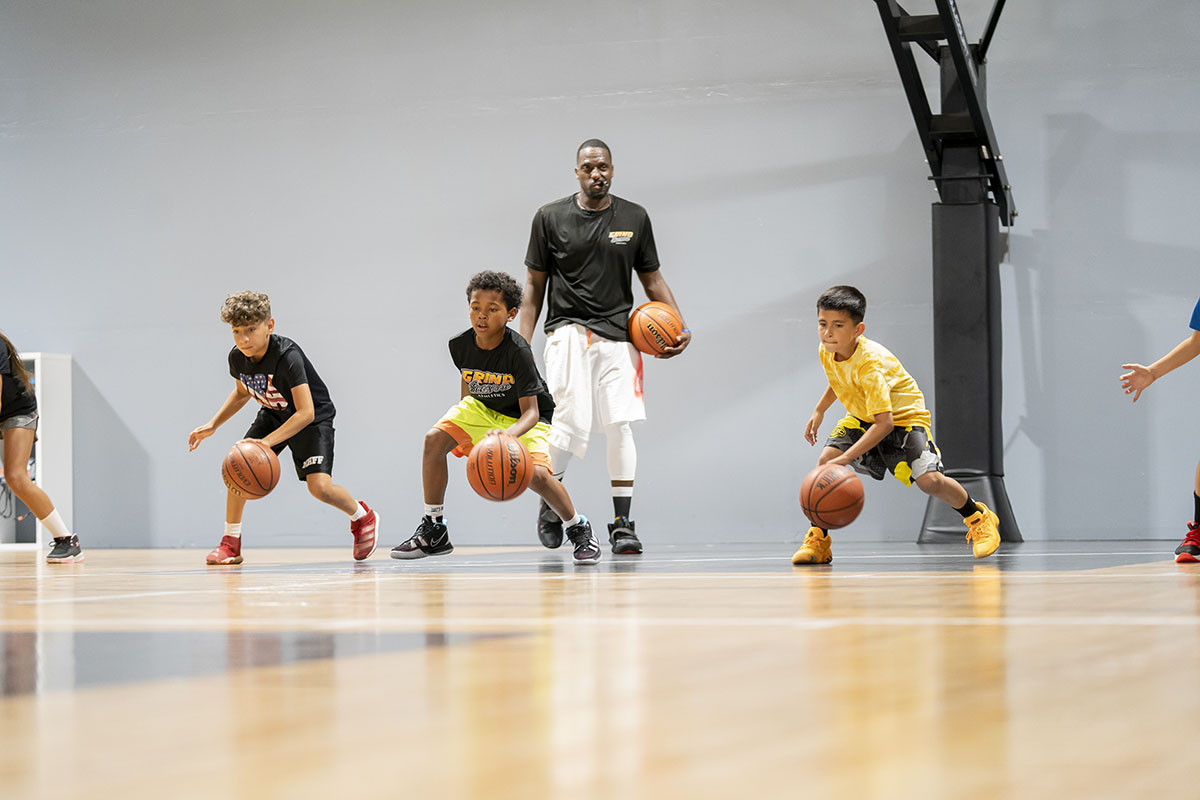
2. Cone Gauntlet Dribbling
- Set 6 cones in zigzag pattern
- Complete specific dribble moves at each cone
- Time yourself and aim to beat previous records
- Add complexity as you improve (weak hand only, multiple moves per cone)
3. Solo Defensive Slide Challenge
- Place 4 cones in defensive slide pattern
- Touch each cone while maintaining perfect defensive position
- Complete for time with perfect form
- Track improvement over weeks
Conclusion: The Joy of Mastery in Basketball
The secret top players know is that there’s a deep satisfaction in the process of mastery that actually exceeds the temporary thrill of game day. By implementing the strategies above, you can transform your relationship with training from necessary evil to fulfilling practice.
Remember: Games are won in empty gyms when nobody’s watching. Fall in love with that process, and game day becomes the celebration of all you’ve already accomplished.
FAQ About Basketball Training and the Grind
How long should my basketball training sessions be?
Quality trumps quantity. Most players do better with focused 60-90 minute sessions rather than aimless 3-hour sessions. Research shows attention and quality typically diminish after 90 minutes.
How can I stay motivated during off-season basketball training?
Set specific goals for the off-season, find training partners for accountability, and remember that the off-season is where the biggest separation occurs between players. Try following a structured basketball training program to keep yourself on track.
What if I don’t have access to a gym for basketball practice?
Many fundamental skills can be developed with minimal equipment. Ball handling, conditioning, footwork, and even form shooting can be practiced at home or outdoor courts.
How do I know if my basketball training is actually working?
Track specific metrics (shooting percentages, conditioning tests, skill execution) and test regularly. Video recording sessions also provides visual evidence of improvement that might feel subtle day-to-day.
Ready to transform your basketball training approach? Check out BasketballFundamentals.com for detailed tutorials on the exercises mentioned above! Our free video library breaks down each drill with proper technique demonstrations and progressions to match your skill level. Visit today to take your training to the next level!