
How to Develop a Killer Crossover That Freezes Defenders: The Ultimate Guide
Let’s break down exactly how you can develop a crossover that will leave defenders frozen in their tracks.
Understanding the Fundamentals of the Crossover Dribble
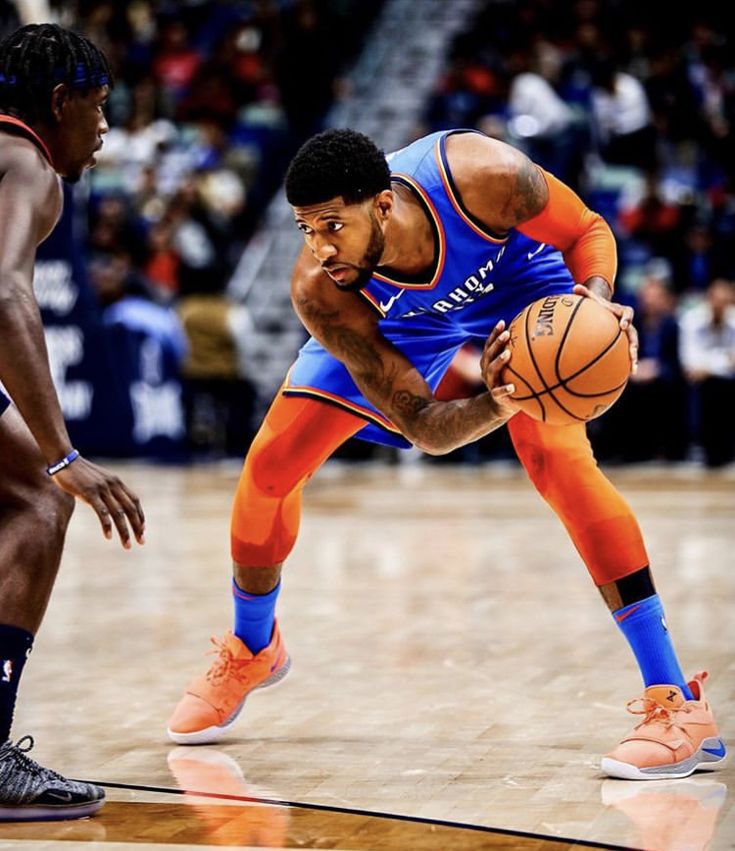
The crossover dribble is one of basketball’s most effective ball-handling techniques. At its core, it involves quickly changing directions by moving the ball from one hand to the other in front of your body. While it looks simple, a truly effective crossover requires precise timing, body control, and deception.
NBA legends like Allen Iverson, Tim Hardaway, and Kyrie Irving have all used the crossover to create their signature moments on the court. Their success wasn’t accidental—it came from mastering the fundamentals and adding their personal flair.
How to Develop a Killer Crossover That Freezes Defenders: The Ultimate Guide
Key Elements of an Unstoppable Crossover
1. Low and Controlled Dribble
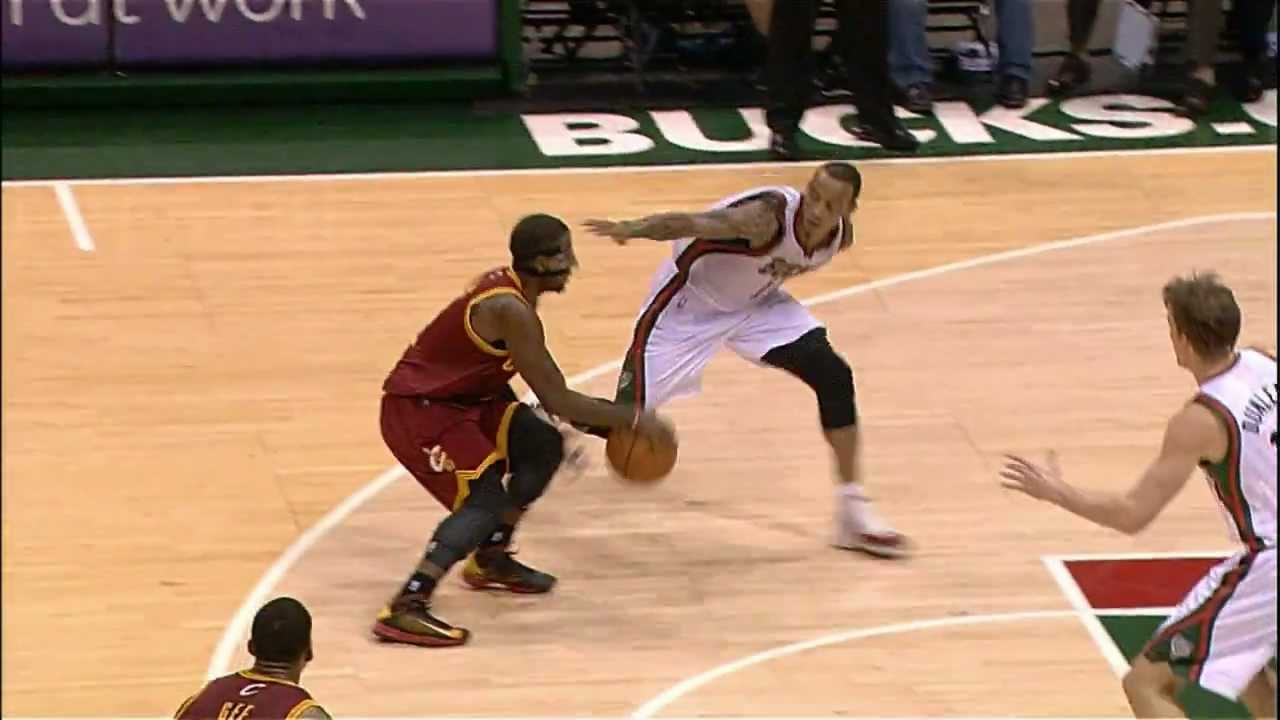
“Keep it low to make it go,” as coaches often say. A killer crossover starts with a low dribble height:
- Bend your knees and stay in an athletic stance
- Keep the ball below your waist when dribbling
- Maintain a wide base for balance
- Practice dribbling with your fingertips, not your palm, for better control
Jason, a high school basketball coach in Indiana, shares: “I’ve trained dozens of players, and the number one mistake I see with crossovers is dribbling too high. When you dribble high, you give defenders a chance to swipe the ball. Stay low, and you’ll maintain control throughout the move.”
2. The Element of Surprise
What separates good crossovers from great ones is the element of deception. Your defender should believe you’re going in one direction before you quickly change course.
Basketball trainer Marcus Lee explains: “Watch film of Kyrie Irving. He doesn’t just cross over—he sets it up with his eyes, shoulders, and a hesitation. The crossover is just the finishing move in a sequence of deception.”
Try these deception techniques:
- Use your eyes to look in the direction opposite of where you’ll eventually go
- Add a slight head fake before your crossover
- Incorporate a hesitation dribble to freeze the defender
- Learn to change speeds (slow-to-fast creates maximum advantage)
3. Explosive Directional Change
After setting up your defender, you need explosive power to capitalize on the advantage:
- Push off strongly with the foot opposite to your crossing direction
- Keep your center of gravity low throughout the move
- Use your non-dribbling hand to protect the ball as you cross over
- Explode in the new direction as soon as the ball changes hands
Looking to increase your explosiveness? Consider checking out our guide on how to jump higher for exercises that build lower body power.
Common Crossover Mistakes That Kill Effectiveness
Avoid these frequent errors that can neutralize your crossover’s effectiveness:
- Telegraphing the move: If your eyes, body language, or patterns give away your intentions, defenders will anticipate your crossover.
- Poor timing: Executing the crossover too early or too late reduces its effectiveness. The best crossovers happen when defenders are slightly off-balance.
- Carrying/palming the ball: This illegal move might work in pickup games, but referees will call it in organized competition. Learn to cross over while keeping your hand on top of the ball. Understanding basketball foul rules can help you avoid violations.
- Lack of follow-through: Many players execute a good crossover but don’t immediately attack the space they’ve created. Always follow through with an aggressive drive or pull-up jumper.

Progressive Drills to Master Your Crossover
Beginner Drill: Stationary Crossover
- Stand in triple-threat position
- Practice crossing the ball from hand to hand while maintaining a low dribble
- Focus on keeping your eyes up, not watching the ball
- Perform 50 crossovers in each practice session
For more foundational work, explore our stationary ball handling guide to build your confidence.
Intermediate Drill: Lane Lines
- Use the lane lines on a basketball court
- Dribble down the line, performing a crossover at each marked interval
- Focus on maintaining speed and control through each crossover
- Add a hesitation element as you improve
Advanced Drill: Chair Defenders
- Set up 3-5 chairs or cones in a zigzag pattern
- Dribble through the pattern, using crossovers to change direction at each cone
- Start slowly and increase speed as you improve
- Challenge yourself by reducing the space between cones
Want more challenging setups? Check out our cone dribbling drills for additional agility training.
Elite Drill: Reactive Crossover
- Work with a partner who points in random directions
- When they point left or right, execute a crossover in that direction
- This improves your reaction time and decision-making
- Add multiple defenders as you progress for game-like situations
Reaction time is crucial for elite ball handlers. Our guide on reaction time dribbling dives deeper into this important skill.
The Psychological Edge of a Great Crossover
A truly killer crossover isn’t just physical—it’s psychological. When defenders know you have an effective crossover in your arsenal, they play more cautiously, giving you more space to operate.
College player Damon Wright shares his experience: “After I broke my defender’s ankles with a crossover in the first quarter, he backed off me for the rest of the game. That extra space improved my outside shooting and opened up other moves. One good crossover can change how defenders guard you for an entire game.”
This mental advantage is part of developing your basketball IQ—understanding how your moves affect defender behavior.
Building Your Signature Crossover Variation
Once you’ve mastered the basic crossover, consider developing your signature variation:
- The In-and-Out Crossover: Fake a crossover by moving the ball toward your opposite hand but pulling it back to the same hand before exploding in your initial direction.
- The Behind-the-Back Crossover: Cross the ball behind your back instead of in front for situations when defenders overplay one side. Our guide on behind-the-back dribbling can help perfect this move.
- The Double Crossover: Execute two quick crossovers in succession to create even more confusion for defenders.
- The Between-the-Legs Crossover: Cross the ball between your legs for better protection in tight spaces.
Conclusion: Practice Makes Perfect
Developing a killer crossover takes time and repetition. The great news is that it’s a skill anyone can develop with dedicated practice. Start with the fundamentals, work through the progressive drills, and gradually add your personal style as you gain confidence.
Remember that even NBA superstars practice their crossovers regularly. Tim Hardaway, known for his devastating “UTEP Two-Step” crossover, reportedly practiced his dribbling for hours daily throughout his career.
For players looking to take their overall game to the next level, check out our guide on 20 essential dribbling tips for basketball success.
Frequently Asked Questions
How long does it take to develop an effective crossover?
With consistent practice, most players see noticeable improvement in 2-3 weeks. Mastery can take months or even years of refinement.
Should I practice crossovers with both hands?
Absolutely. Being able to cross over effectively in both directions makes you much more unpredictable to defenders. Our guide on strengthening your weak hand dribbling can help you develop this skill.
Can shorter players develop effective crossovers?
Shorter players often have an advantage with crossovers due to their naturally lower center of gravity and quicker hands. Many of basketball’s greatest crossover artists have been guards under 6’3″. Check out our special guide for small guards for more position-specific tips.
How can I practice my crossover without a basketball court?
You can practice your dribbling and crossover in a driveway, garage, or even in your living room (with a smaller ball). Focus on technique rather than speed when practicing in limited spaces.
Make sure to check out basketballfundamentals.com for more information! We have a free video tutorial breaking down the crossover techniques of NBA legends, plus dozens of additional drills to elevate your ball-handling skills to the next level.