
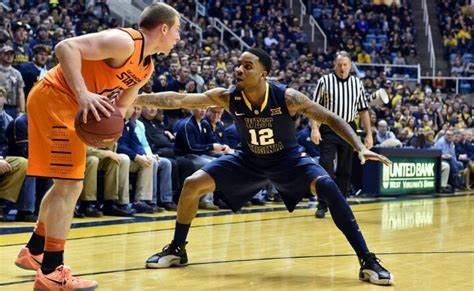
The Secret Behind Great Help Defense: Anticipation, Not Reaction
What Makes Help Defense So Important?
Help defense is the backbone of any successful basketball defensive system. It’s what happens when a teammate gets beaten off the dribble or needs assistance guarding a dominant offensive player. The ability to “help” at the right time and in the right position can completely disrupt an offense’s rhythm and create turnovers that lead to easy transition baskets.
Solid defense sets the tone for the game, disrupts the opponent’s offense, and creates opportunities for steals, rebounds, and fast breaks. Moreover, mastering defensive techniques fosters mental toughness, teaches players to anticipate and react quickly, and enhances overall basketball IQ.
But here’s the thing most coaches don’t emphasize enough: great help defense isn’t about reacting to what’s already happened – it’s about anticipating what’s about to happen.
The Anticipation Advantage: Reading the Game
The best defenders in basketball history weren’t always the fastest or most athletic players. What set them apart was their ability to read the game, understand offensive patterns, and position themselves before the offense made their move.
“Quickness” in defense is often very different from the speed at which a defender can move. More important is the defender’s ability to correctly anticipate what will happen and to move in anticipation before it has actually happened.
Think about it – if you wait until you see your teammate get beaten by a drive, you’re already too late. The help defender who arrives in time to stop that drive started moving before the offensive player even made their move.
Key Elements of Anticipatory Help Defense
1. Understanding Offensive Tendencies
Great help defenders study their opponents. They know which players prefer to drive left versus right, who looks to shoot versus pass, and what plays teams run in certain situations. This knowledge allows them to predict offensive movements before they happen.
Playing smart offense requires more than just raw athleticism; it involves anticipating opponents’ movements by reading their body language and reacting accordingly. The best way to develop these skills is through regular practice sessions dedicated specifically to reading defenses under game-like conditions.
When you understand an offensive player’s tendencies, you can position yourself to disrupt their preferred moves before they even attempt them.
2. Proper Defensive Positioning
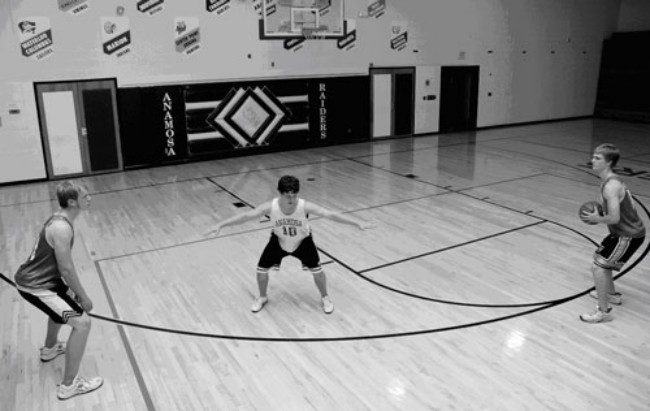
Anticipation starts with positioning. The concept of “help-side” defense means being in a position to help teammates while still keeping track of your own assignment.
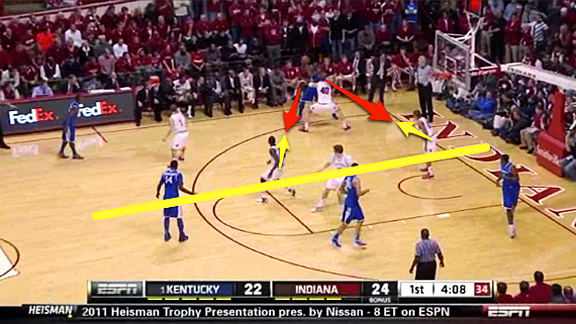
The Split Line – An imaginary line that extends from one basket to the other directly down the middle of the court. This is a useful line to refer to when coaching the defensive end of the floor.
Great defenders understand the importance of maintaining proper defensive position relative to both their own man and the ball. This might mean being one or two steps toward the middle of the court when defending on the weak side, allowing you to “see both man and ball” at all times.
3. Active Hands and Feet
Anticipatory defense requires constant movement and activity. Your hands should be active to disrupt passing lanes, and your feet should be ready to move in any direction.
The purpose of being an effective defender is to maximize your speed and power while maintaining your balance at all times. When you move on the Balls of Your Feet – which is, in essence, the front part of your foot leading into your toes – then this will naturally provide you with a more fluid and flexible movement.
This active stance allows you to explode into help position the moment you recognize a developing offensive action.
4. Communication
Perhaps the most overlooked aspect of anticipatory help defense is communication. Great defensive teams are constantly talking to each other.
Effective communication with your teammates is equally important. Relay defensive assignments, call out switches, and work together to ensure that everyone on your team is aligned in their defensive responsibilities. A cohesive defensive unit is a formidable force on the court.
Calling out screens, alerting teammates to cutters, and announcing rotations all allow the defense to move as a single unit rather than five individual players.
Practical Drills to Improve Defensive Anticipation
1. Shell Defense Drills
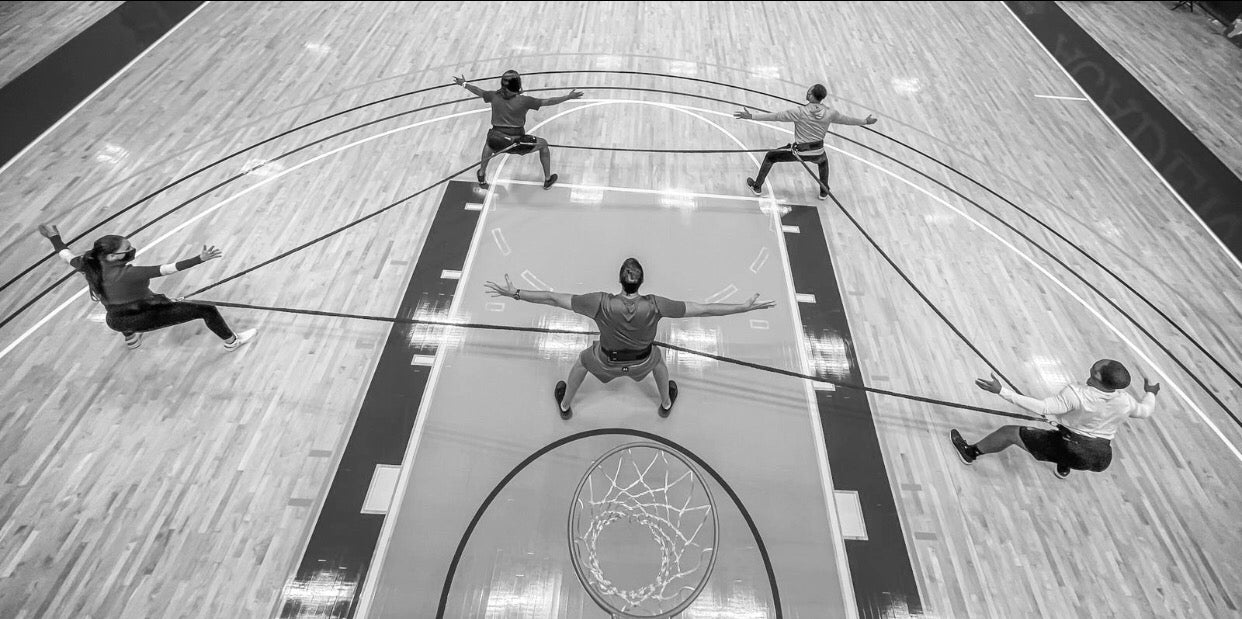
The classic 4-on-4 or 5-on-5 shell drill remains the gold standard for developing help defense principles. In this drill, defenders must rotate to help and recover as offensive players pass and drive in controlled patterns.
Coaches should emphasize early rotations, having players move as the ball is in the air rather than after it’s caught. This develops the anticipatory nature of great help defense.
2. Closeout and Deny Drill
The Deny and Recover drill enhances off-ball defense and helps players develop an understanding of help-side defense, improving their defensive awareness and anticipation skills.
In this drill, defensive players practice denying passes while maintaining awareness of when to help. This builds the skill of anticipating both on-ball and off-ball actions.
3. Read and React Drill
Create situations where defenders must read offensive actions and make quick decisions. For example, have offensive players make random drives, cuts, or screens, forcing defenders to anticipate and respond accordingly.
Coaches should occasionally pause play to discuss what defenders saw that triggered their movements, reinforcing the visual cues that inform good anticipation.
Common Mistakes in Help Defense
1. Ball Watching
Many defenders make the mistake of focusing entirely on the ball, losing track of their own assignment. Great defenders have peripheral awareness, tracking both the ball and their man simultaneously.
2. Helping Too Much or Too Little
Finding the right balance in help defense is crucial. Over-helping leaves your own assignment open, while under-helping leaves teammates vulnerable. The key is proportional help – providing exactly the assistance needed in each situation.
3. Late Reactions vs. Early Anticipation
One crucial aspect of becoming a great defender in basketball is developing quick anticipation and reaction time. This means that players must learn to read their opponents’ movements, anticipate their next moves, and react with appropriate defensive strategies quickly.
The biggest mistake in help defense is waiting until the offensive action is already happening. By then, you’re playing catch-up. Great defenders move early, anticipating rather than reacting.
Taking Your Help Defense to the Next Level
Film Study
Watching game film with a focus on defensive rotations can dramatically improve your anticipatory skills. Pay special attention to how elite defenders position themselves before offensive actions develop.
Understanding Team Defensive Schemes
Different defensive schemes require different types of anticipation:
Man-to-man defense involves each defender being responsible for guarding a specific opponent. Zone defense has players guarding specific areas of the court rather than individual players. Combination defenses mix man-to-man and zone defenses, often used to confuse the offense and exploit their weaknesses.
Understanding your team’s scheme helps you anticipate when and where to provide help.
Building Basketball IQ
Ultimately, anticipatory defense comes from developing a high basketball IQ – understanding the game at a deeper level than just memorizing plays and positions.
Defense is what builds any great basketball team. A solid defender makes it hard for their opponent, and the mistakes they force create opportunities for their team. When it comes to defense, your players will need to master skills like positioning, anticipation, footwork, and adaptability.
Conclusion: The Art of Defensive Anticipation
Great help defense is truly an art form, combining knowledge, instinct, positioning, and timing. By focusing on anticipation rather than reaction, you can transform your defensive impact and help your team achieve greater success.
Remember, offense might win games, but defense wins championships – and anticipatory help defense is the secret weapon of championship teams.
Ready to take your defensive game to the next level? Start incorporating these principles in your practice today, and watch as your defensive impact grows. Your coaches and teammates will notice the difference when you start stopping plays before they even develop.
Make sure to check out Basketball Fundamentals.com for more information on improving your defensive skills and watch our free video tutorial on mastering help defense techniques!
FAQ: Defensive Anticipation
How long does it take to develop good defensive anticipation?
Like any skill, defensive anticipation develops over time with deliberate practice. Most players start seeing significant improvement after 4-6 weeks of focused defensive drills and game experience.
Can defensive anticipation be taught, or is it instinctual?
While some players have natural instincts for anticipation, it’s definitely a skill that can be taught and improved. Film study, repetitive drills, and coaching feedback can help any player develop better anticipatory skills.
How do I balance staying with my man versus helping teammates?
This balance comes from understanding proper positioning and developing court awareness. Generally, the farther your assignment is from the ball, the more you can help, but you should always be able to recover if needed.
What’s the most important physical attribute for good help defense?
While quickness helps, the most important physical attributes are actually good lateral movement and body control. These allow you to change directions quickly when anticipating drives or rotations.
How do elite teams practice anticipatory defense?
Elite teams often use competitive drills that reward early help rotations and proper positioning. They also spend significant time on film study, identifying opponent tendencies that allow for better anticipation. For more advanced techniques, check out our guide on advanced defensive drills.