
What 1-on-1 Games Teach You That Drills Don’t: Unlock Hidden Basketball Skills
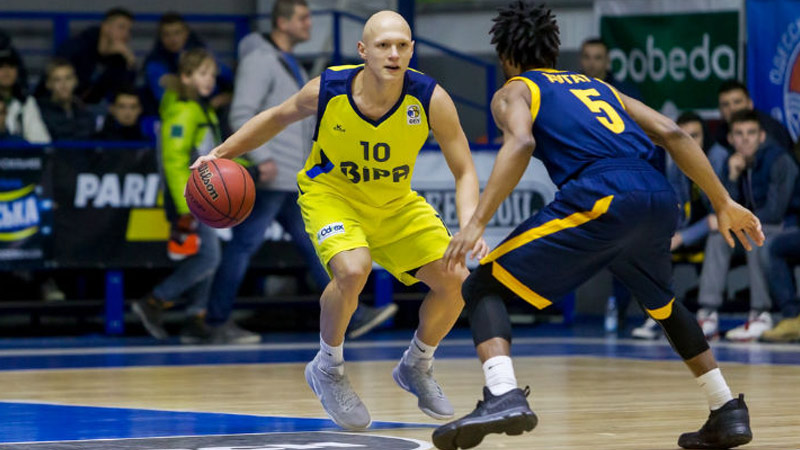
While structured drills have their place in basketball training, there’s something special about the lessons learned in the intensity of 1-on-1 basketball. Let’s explore why adding quality 1-on-1 play to your training might be the game-changer you’ve been looking for.
The Problem with Traditional Drills
Traditional basketball drills focus on repetition of specific movements – shooting the same shot repeatedly, dribbling through cones, or running through predetermined passing patterns. However, research has shown that athletes who exclusively practice these isolated skills often struggle to transfer those abilities to actual game situations.
Why? Because basketball isn’t just about physical execution – it’s equally about basketball IQ, decision-making, and reacting to unpredictable situations. Standard drills simply can’t replicate these mental aspects.

Why Many 1-on-1 Games Fall Short
Before diving into effective 1-on-1 training, let’s address what doesn’t work. The typical playground 1-on-1 game – where players take 10-12 dribbles to back opponents down, then shoot over them – builds bad habits and erodes needed skills.
These playground-style sessions are a complete waste of time if you want to improve at 5-on-5 basketball because they bear little resemblance to actual game situations where quick decisions and efficient movements are essential.
What Makes 1-on-1 Play Valuable
When structured properly, 1-on-1 training offers benefits that drills simply can’t match:
1. Real-Time Decision Making
One-on-one drills provide game context, competition, and skill development opportunities simultaneously. Unlike isolated drills, players must read the defense, process information, and make split-second decisions – just like in actual games.
This development of reading the game like a pro is crucial for creating players who understand not just how to execute moves, but when and why to use them.
2. Guaranteed Repetitions
In a standard 5-on-5 game, your team’s fourth and fifth best players might only get 4-5 scoring opportunities in a 40-minute game. That’s not enough quality repetitions to improve. In well-structured 1-on-1 play, players get a repetition on every possession.
This increased volume of quality reps accelerates development far beyond what traditional team scrimmages can provide, especially for role players who need more touches to develop confidence.
3. Cognitive Development
Basketball training that includes cognitive dimensions, like making decisions against defensive pressure, has been shown to improve executive functions including inhibition control, working memory, and cognitive flexibility.
These mental benefits extend beyond basketball, supporting overall life lessons in basketball that players can apply in school and future careers.
4. Pressure Testing Skills
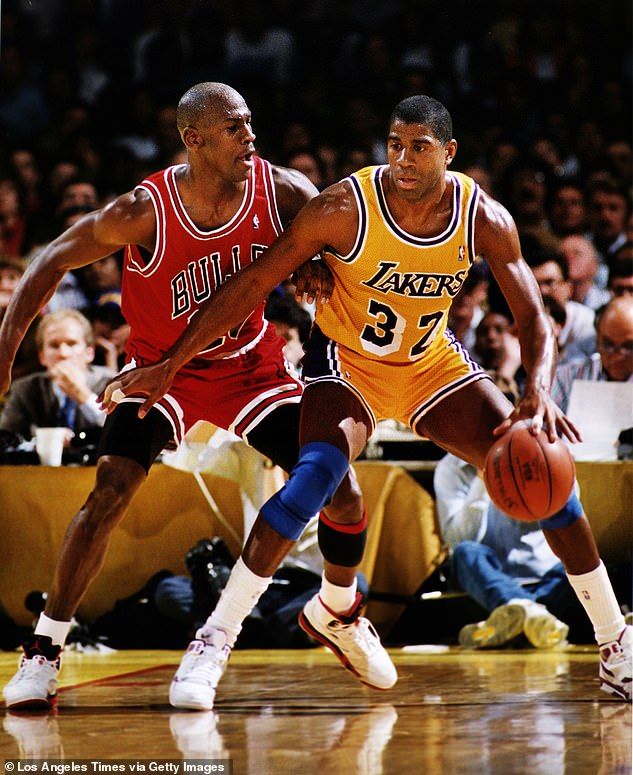
There’s a huge difference between executing a move without defense and performing it against active resistance. Good 1-on-1 play forces players to apply skills under pressure, revealing what actually works and what needs improvement.
This pressure testing builds mental toughness and prepares players for high-pressure game situations they’ll face in competition.
Effective 1-on-1 Training Methods
Not all 1-on-1 play is created equal. Here are some frameworks that maximize learning:
1. Add Constraints
The best 1-on-1 training adds constraints for time and space. For example, “The Box” – a full-court 1-on-1 drill using only 10 feet width and 35 feet length with a 6-second shot clock – ensures there are no wasted dribbles or moves.
These constraints force players to be efficient and decisive, qualities essential for game success. They also promote quick first-step development that helps players blow by defenders.
2. Create Game-Like Situations
One of the biggest challenges in using one-on-one drills is ensuring they have game context. Any drill you consider should be evaluated relative to its transfer to real game situations.
Consider having an outlet player available that the offensive player can pass to if they can’t find a good shot. This prevents players from taking bad shots they wouldn’t attempt in actual games and teaches them to move without the basketball after making a pass.
3. Limit Dribbles
Implementing dribble limits forces players to be efficient with their movements and prevents the endless dribbling that plagues playground basketball. This constraint better mirrors the quick decision-making needed in team basketball.
Try limiting players to 2-3 dribbles, which forces them to use effective moves to break ankles rather than relying on volume dribbling that rarely translates to game success.
4. Add Movement Elements
Start with movement before the 1-on-1 begins. For example, have the offensive player sprint around a cone at half-court before attacking the defender who’s closing out. This simulates game situations where players rarely receive the ball standing still.
These movement patterns help develop basketball footwork that translates directly to games where most scoring opportunities come from movement, not static isolation.
1-on-1 Drills That Transfer to Game Success
Here are three effective 1-on-1 drills that develop skills that directly translate to 5-on-5:
Closeout 1-on-1
Have a defender sprint to the rim and then close out to the offensive player at the top of the key. The offensive player must attack the closeout with a dribble move. This simulates a common game situation where defenders must recover to shooters.
This drill develops both offensive skills against pressure and defensive abilities to dominate defensively in closeout situations.
Advantage/Disadvantage 1-on-1
Position players to run around different cones before engaging in 1-on-1 play, creating a slight advantage for one player. The offensive player must read the defender’s positioning – if the defender stops short to protect against driving, take the shot; if they run out hard, attack the basket.
This drill develops the critical skill of reading defenses, which directly translates to mastering pick and roll situations and other complex offensive scenarios.
Recovery 1-on-1
The offensive player starts at the free throw line with their back to the basket. They must toss the ball beyond the three-point line and retrieve it while the defender tries to steal or disrupt. This teaches ball security and movement without the ball.
This drill builds skills in reducing turnovers and develops the hustle needed to win loose ball situations in games.

Balance is Key
While well-structured 1-on-1 play offers tremendous benefits, a balanced approach is important. For younger or beginner players, some fundamental skill work outside of 1-on-1 context can build confidence. However, this should be a supplement to, not a replacement for, contextualized training.
For youth players especially, finding this balance is critical. Consider incorporating youth basketball drills for ball handling alongside structured 1-on-1 work to build both skills and decision-making abilities.
Individual development drills are good learning tools, but one-on-one drills are better. Players improve faster within the context of the game because the application of skills isn’t scripted – it requires reading the defense and making decisions based on those reads.
Conclusion: Make 1-on-1 Work for You
The best basketball training combines the precision of drills with the unpredictability and decision-making of game situations. Purposeful 1-on-1 play bridges this gap, developing not just physical skills but the cognitive abilities that separate good players from great ones.
By implementing structured 1-on-1 training with appropriate constraints and game context, players develop the complete skill set needed for basketball success – physical execution, mental processing, and decision-making under pressure.
Looking to further enhance your basketball skills? Consider how these approaches can improve your overall basketball training regimen and help you develop into a more complete player both mentally and physically.
FAQ
How often should I incorporate 1-on-1 work into my training?
Aim for 2-3 sessions per week, with each session including 15-20 minutes of structured 1-on-1 play. This provides enough repetition for skill development without exhausting players.
Can 1-on-1 drills replace team practice?
No, 1-on-1 work should complement team practices, not replace them. Team concepts like spacing, off-ball movement, and defensive rotations still need to be practiced in 5-on-5 settings.
What’s the biggest mistake players make in 1-on-1 training?
Treating it like an individual showcase rather than a learning opportunity. The goal isn’t to “win” with fancy moves but to develop skills that transfer to game situations and improve core basketball fundamentals.
How do I know if my 1-on-1 training is effective?
Your decision-making speed in games should improve, you should feel more comfortable under defensive pressure, and your efficiency (shooting percentage, assist-to-turnover ratio) in games should increase.
Make sure to check out basketballfundamentals.com for more information! Our free video tutorials on basketball training techniques will help you take your game to the next level.